Most Likely Causes (Ranked)
During spring and summer, dust accumulates on the furnace's heat exchanger, burners, and inside the ductwork. The first time the furnace fires in fall, this dust heats up and burns off. The smell is similar to a dusty space heater being used for the first time. It's harmless, affects nearly every furnace, and resolves on its own.
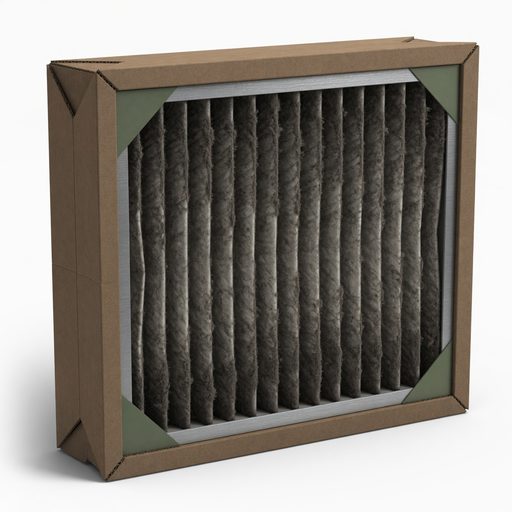
A severely clogged air filter restricts airflow over the heat exchanger, causing it to overheat. The filter material itself can also get hot enough to produce a burning smell. In extreme cases, a clogged filter can cause the furnace to overheat and shut down on its high-limit safety switch. This is the most common preventable furnace problem.
Items stored near the furnace — cardboard boxes, cleaning supplies, paint cans, holiday decorations — can be too close to the unit or even fall against it. In homes where the furnace shares a closet or utility room, things get pushed up against the unit during the off-season. Toys, papers, or other items can also fall into floor vents and land on the heat exchanger in the ductwork.
Furnaces contain electrical components — blower motors, capacitors, control boards, and wiring. When these components overheat or fail, they produce a distinct burning plastic or electrical burning smell. A failing blower motor bearing can also overheat the motor, producing a hot metallic smell. Electrical issues are less common than dust but more serious.
The heat exchanger separates combustion gases from the air that circulates through your home. A crack allows combustion byproducts (including carbon monoxide risk) to mix with the air supply. A cracked heat exchanger may produce an unusual chemical or metallic burning smell and is a serious safety concern. This is more common in furnaces over 15-20 years old.
How to Fix It
Wait It Out (Seasonal Dust)
$0If this is the first heating cycle of the season, the smell is normal.
- 1Open a few windows slightly to ventilate while the dust burns off.
- 2The smell should dissipate within 30-90 minutes. If it lasts beyond 2-3 hours, investigate further.
- 3Next year, run the furnace for a test cycle on a mild day in early fall — this burns off the dust when you can comfortably open windows.
- 4To reduce dust buildup, keep vent registers clean and change the filter before shutdown in spring.
Replace the Air Filter
$5-25This should be your first action if the smell persists beyond the initial startup.
- 1Locate the filter — it's either in a slot on the furnace itself (usually the bottom or side) or in a return air vent on the wall/ceiling.
- 2Slide out the old filter and note the size printed on the frame (e.g., 16x25x1, 20x20x4).
- 3Install a new MERV 11-13 filter ($10-25). These offer good filtration without excessive airflow restriction for most systems.
- 4Replace the filter every 1-3 months during heating season. With pets, lean toward monthly. Set a phone reminder.
- 5A clean filter is the single most important thing you can do for furnace performance, efficiency, and longevity.
Clear the Area Around the Furnace
$0If the smell is localized or smells like a specific material (plastic, paper).
- 1Ensure 3 feet of clearance on all sides of the furnace. Move all stored items away.
- 2Check each vent register — remove the cover and look inside with a flashlight for fallen objects.
- 3Look at the flue pipe (exhaust vent) — make sure nothing is touching it. The flue pipe gets very hot.
- 4If you find a melted or burned item, remove it and ventilate the area. The smell should clear within an hour.
Call an HVAC Technician
$80-200 (service call)If the smell is electrical/plastic, persists beyond a day, or is accompanied by other symptoms.
- 1For electrical smells: Turn off the furnace at the thermostat and the breaker. Don't run it until a technician inspects it.
- 2For suspected heat exchanger issues: ensure carbon monoxide detectors are working. If a CO detector alarms, leave the house and call 911.
- 3A professional furnace inspection ($80-150) checks the heat exchanger, electrical components, gas connections, and overall safety.
- 4Blower motor replacement: $200-600. Control board replacement: $200-500. Heat exchanger replacement: $1,000-3,500 (often worth replacing the entire furnace if it's 15+ years old).
- 5Schedule annual furnace maintenance in early fall ($80-150) — this catches problems before heating season starts.
When to Call a Professional
The burning smell is electrical or plastic and persists — turn off the furnace and call an HVAC tech. Electrical failures can escalate to fires.
carbon monoxide risk detectors alarm while the furnace runs — leave the house immediately and call 911. A cracked heat exchanger can leak CO into your living space.
You see smoke coming from the furnace or vents — shut off the furnace and gas supply. Visible smoke is never normal.
Family members have headaches or nausea when the heat is on — CO exposure causes these symptoms. Stop using the furnace and get it inspected.
The furnace repeatedly trips the high-limit switch — this safety device shuts off the burner when the heat exchanger overheats. Repeated trips indicate an airflow problem or component failure.
How to Prevent It
Change the filter every 1-3 months during heating season — this prevents overheating and most furnace burning smells.
Schedule annual professional maintenance — a fall tune-up ($80-150) catches safety issues before winter. This should include heat exchanger inspection, electrical checks, and combustion analysis.
Keep 3 feet of clearance around the furnace — don't store boxes, chemicals, or flammable items near it.
Install CO detectors on every level — $20-40 each. Replace batteries annually and units every 5-7 years.
Run a test cycle in early fall — burn off seasonal dust when you can open windows comfortably.
Burning Smell Decoder: What Each Smell Means
Not all furnace burning smells are the same. Dusty/musty burning = seasonal dust, harmless, clears in under an hour. Electrical/plastic burning = wiring or motor issue, shut off and call a tech. Hot metal = could be an overheating blower motor bearing. Chemical or formaldehyde-like = possible cracked heat exchanger, serious safety concern. Paper or fabric = something fell into a vent or is too close to the furnace.
Timing matters too. First-30-minutes smell that fades = seasonal dust. Smell that persists all day = filter or mechanical issue. Smell that gets worse over time = escalating problem that needs immediate professional attention. Smell only when the blower runs (not the burner) = blower motor issue. Smell only when the burner ignites = combustion-related.
When in doubt, turn off the furnace and call an HVAC professional. The cost of a service call ($80-200) is nothing compared to the cost of a house fire or carbon monoxide risk exposure.
Frequently Asked Questions
Yes — the first 30-90 minutes of the first heating cycle each season, a dusty burning smell is completely normal. Dust accumulated on the heat exchanger and burners during the off-season burns off. Open a window to ventilate and the smell should clear. If it lasts beyond 2-3 hours or returns on subsequent cycles, something else is wrong.
For dusty/musty burning on first startup: no, let it run and it'll clear. For persistent burning beyond an hour, electrical or plastic smells, or any visible smoke: yes, turn it off at the thermostat and breaker, then call an HVAC technician.
Filter replacement: $5-25 DIY. Service call/inspection: $80-200. Blower motor: $200-600. Ignitor: $100-250. Control board: $200-500. Heat exchanger: $1,000-3,500. A new furnace: $3,000-7,000 installed. Annual maintenance ($80-150) catches problems early when they're cheaper to fix.
It's extremely rare for a dirty filter to cause an actual fire — the furnace's high-limit safety switch should shut off the burner before temperatures reach dangerous levels. However, a severely clogged filter can cause the heat exchanger to crack from thermal stress, which is both expensive and a CO safety hazard. Change your filter regularly.