Most Likely Causes (Ranked)
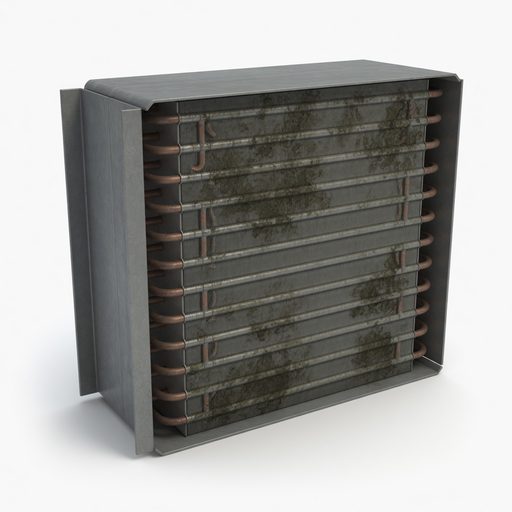
The evaporator coil is a cold metal surface inside your air handler that extracts heat and humidity from indoor air. Moisture constantly condenses on it — like a cold glass on a humid day. When dust, pet dander, and organic particles accumulate on this perpetually wet surface, mold and mildew colonize it rapidly. The coil is hidden inside the air handler and most homeowners never see it, so mold can grow unchecked for years.
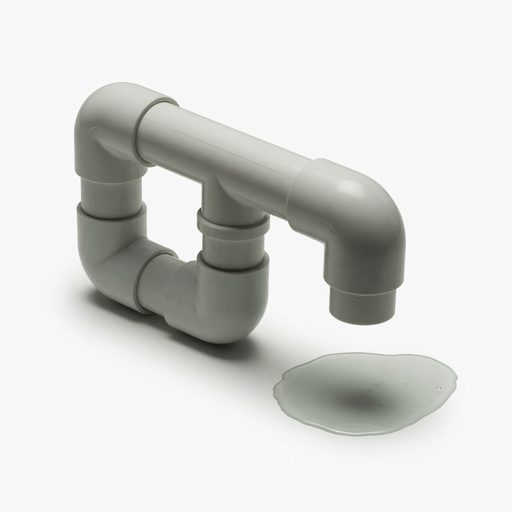
The moisture that drips off the evaporator coil collects in a drain pan and flows out through a PVC condensate drain line. Algae, mold, and slime grow inside this line over time, eventually clogging it. When the line clogs, water backs up into the drain pan and sits stagnant — becoming a perfect breeding ground for mold and bacteria. Some systems have a safety float switch that shuts off the AC when the pan overflows; others just let it overflow onto the floor.
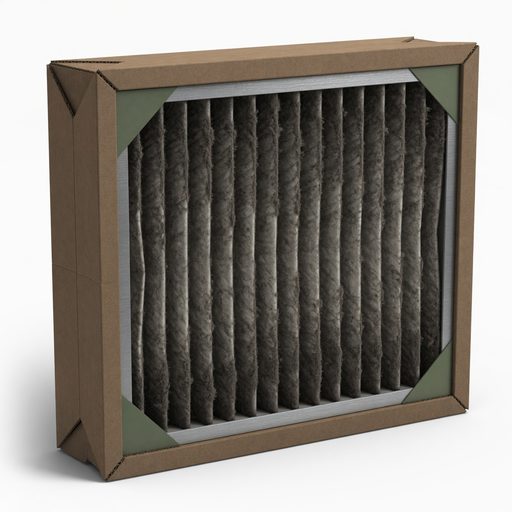
A dirty filter doesn't just reduce airflow — it causes the evaporator coil to run colder than designed, increasing condensation and keeping the coil wetter for longer. This extra moisture creates ideal mold conditions. A severely clogged filter can also allow the coil to freeze, and when the ice melts, it overwhelms the drain pan. Additionally, a dirty filter lets more dust and organic particles reach the coil, feeding mold growth.
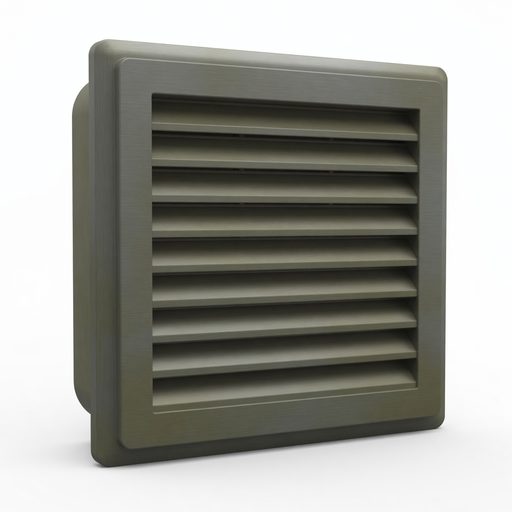
Air ducts, especially flex duct in attics or crawlspaces, can develop condensation on their interior surfaces when they pass through unconditioned spaces. This condensation, combined with dust that settles inside the ducts, creates conditions for mold growth throughout the duct system. Ductwork that was poorly sealed at joints allows humid attic or crawlspace air to enter, worsening the moisture problem.
How to Fix It
Replace the Air Filter and Clear the Drain
$5-25Start here — these two steps fix the problem about 40% of the time and take 15 minutes.
- 1Replace the air filter with a new MERV 11-13 rated filter ($10-25). These catch mold spores without excessively restricting airflow. MERV 8 is the minimum effective rating for mold; MERV 13+ may restrict airflow on older systems.
- 2Locate the condensate drain line — it's a PVC pipe (usually 3/4 inch) that exits near the indoor air handler. The outdoor end is typically near the outdoor AC unit or at the foundation.
- 3Pour 1 cup of white vinegar into the drain line access point (usually a T-fitting or cap near the indoor unit). This kills algae and mold in the line.
- 4If the line is fully clogged, use a wet/dry vacuum on the outdoor end — seal the vacuum hose to the drain line opening and run it for 30-60 seconds. This pulls the clog out.
- 5Set a phone reminder to pour vinegar down the drain line monthly during cooling season. This prevents future clogs.
Clean the Evaporator Coil
$15-30 DIY / $150-300 professionalIf the filter and drain fix didn't resolve the smell, the coil needs cleaning.
- 1Turn off the HVAC system completely (thermostat off and breaker off).
- 2Remove the access panel to expose the evaporator coil. This may require removing screws and carefully sliding out the panel.
- 3Apply a no-rinse evaporator coil cleaner ($10-15 spray can from hardware stores, like Nu-Calgon Evap Foam or Frost King). Spray the entire coil surface and let it foam and drip into the drain pan. The cleaner dissolves mold, grease, and debris.
- 4Clean the drain pan while it's accessible — wipe it out and pour a bleach-water solution (1 tablespoon bleach per cup of water) into the pan.
- 5Replace the access panel, turn the system back on, and run the AC for 30 minutes. The smell should improve significantly.
- 6For heavy mold or if you're uncomfortable with DIY, an HVAC technician does a professional coil cleaning for $150-300. This is more thorough and includes checking refrigerant levels and overall system health.
Install a UV-C Light System
$100-300 + installationFor recurring mold problems, UV-C light continuously kills mold on the evaporator coil — the most effective long-term prevention.
- 1UV-C germicidal lights are installed inside the air handler, shining directly on the evaporator coil. They run 24/7, continuously sterilizing the coil surface.
- 2A quality UV-C system costs $100-200 for the unit plus $100-200 for professional installation. DIY installation is possible if you're comfortable working near electrical components.
- 3Replace the UV-C bulb annually ($30-60). The bulb loses effectiveness over time even though it still appears to glow.
- 4UV-C lights are recommended by HVAC professionals for homes with recurring mold issues, allergy sufferers, or humid climates where coil moisture is constant.
- 5Popular reliable brands: Honeywell UV24, RGF REME HALO, Fresh-Aire UV.
Address Duct Mold
$300-1,000 (cleaning) / $1,500-5,000+ (replacement)If the coil is clean but the smell persists, ductwork may be contaminated.
- 1Professional duct cleaning costs $300-500 for a typical home. Make sure the company uses NADCA (National Air Duct Cleaners Association) standards — not just blowing compressed air through the ducts.
- 2If flex duct in attics or crawlspaces has interior mold and damaged liner, replacement is more effective than cleaning. Flex duct replacement costs $1,500-5,000 depending on the home's layout.
- 3Seal all duct joints with mastic sealant or metal tape (not standard duct tape, which degrades). Leaky joints allow humid air into the ducts, feeding mold.
- 4Insulate ducts in unconditioned spaces to prevent condensation on the exterior. R-8 insulated flex duct is the current standard.
- 5Consider having a duct leakage test performed ($200-400) — a sealed duct system prevents moisture intrusion and improves efficiency by 15-25%.
When to Call a Professional
You see standing water around the air handler — the condensate drain is clogged or the pan is cracked. This can cause water damage to floors and ceilings if not addressed quickly.
The musty smell in your house is accompanied by allergic symptoms — persistent sneezing, coughing, itchy eyes, or worsening asthma while the AC runs indicates significant mold exposure from the HVAC system.
You see visible mold inside vent registers — mold on the registers means the ductwork has mold, and spores are being distributed throughout the house.
The AC runs constantly but doesn't cool effectively — a frozen or heavily contaminated evaporator coil can't transfer heat properly. If the coil is freezing, the system may have an airflow restriction or low refrigerant.
Multiple family members have respiratory issues — HVAC mold can affect indoor air quality throughout the entire home. Consider professional mold testing and remediation.
How to Prevent It
Replace the air filter every 1-3 months — this is the single most impactful HVAC maintenance task. Set a recurring phone reminder. With pets, lean toward monthly replacement.
Pour vinegar down the drain line monthly — 1 cup of white vinegar prevents algae and mold growth in the condensate line. Takes 30 seconds.
Run the fan on "auto" not "on" — the "on" setting runs the blower continuously, but when the compressor isn't running, the evaporator coil warms up and moisture on it doesn't drain — it re-evaporates into the air. "Auto" lets the coil drain between cycles.
Schedule annual HVAC maintenance — a professional tune-up ($80-150) includes coil inspection, drain line clearing, and system performance check. Spring is the best time, before cooling season starts.
Consider a UV-C light if mold recurs — a one-time $200-400 investment that continuously prevents coil mold with minimal maintenance.
Why Your AC Is Basically a Mold Factory
Understanding why HVAC mold is so common helps you prevent it. Your AC system does two things: it cools air and removes humidity. The evaporator coil gets cold (around 40°F), and warm indoor air passes over it. Moisture in that warm air condenses on the cold coil — the same process that makes a cold glass sweat on a humid day.
In a typical summer day, a residential AC system removes 5-20 gallons of water from indoor air. All of that water passes over the evaporator coil and into the drain pan. The coil stays wet essentially 100% of the time the AC is running. Add the dust and organic particles that constantly flow through the system, and you have a perpetually wet surface coated with nutrients — ideal mold growth conditions.
This isn't a design flaw — it's physics. The key is managing the moisture through proper drainage, regular filter changes, and keeping the coil clean. When these three things are maintained, HVAC mold is preventable.
Frequently Asked Questions
Annual professional maintenance ($80-150) is recommended, ideally in spring before cooling season. Between professional visits, you should change the filter every 1-3 months and pour vinegar down the drain line monthly. These three habits prevent the vast majority of HVAC mold and odor issues.
Yes, with a no-rinse coil cleaner spray ($10-15 at hardware stores). Turn off the system, access the coil through the air handler panel, spray the cleaner, and let it foam and drain. It's not difficult but requires removing the access panel. If you're not comfortable, an HVAC tech does a more thorough cleaning for $150-300.
Running the AC actually helps prevent mold by keeping indoor humidity low. The key is using the "auto" fan setting, not "on." On "auto," the blower stops between cooling cycles, allowing moisture to drain from the coil. On "on," the blower runs continuously and re-evaporates moisture from the coil back into the air.
HVAC mold distributes spores throughout the entire house, affecting indoor air quality in every room. For people with allergies, asthma, or compromised immune systems, this can cause or worsen respiratory symptoms. For healthy adults, the effects are usually limited to odor and mild irritation. Regardless of health status, HVAC mold should be addressed because it worsens over time and indicates excess moisture that can damage the system.