Most Likely Causes (Ranked)
Basements and crawlspaces are the most common source of musty smells in a home. They're below grade, which means they're constantly exposed to soil moisture that seeps through concrete walls and floors (even "dry" concrete is slightly porous). Poor drainage around the foundation, high water tables, and inadequate vapor barriers all contribute. Humidity levels above 60% create ideal conditions for mold growth on virtually any surface — including the concrete itself.
A slow leak under a sink, behind a toilet, inside a wall, or under a slab can produce persistent moisture that feeds mold growth for weeks or months before it's visually obvious. Even a small drip — one that wouldn't show up on your water bill — can saturate drywall, subfloor, or cabinet bases enough for mold to establish. These leaks are particularly common at supply line connections, P-trap joints, and dishwasher/washing machine hose connections.
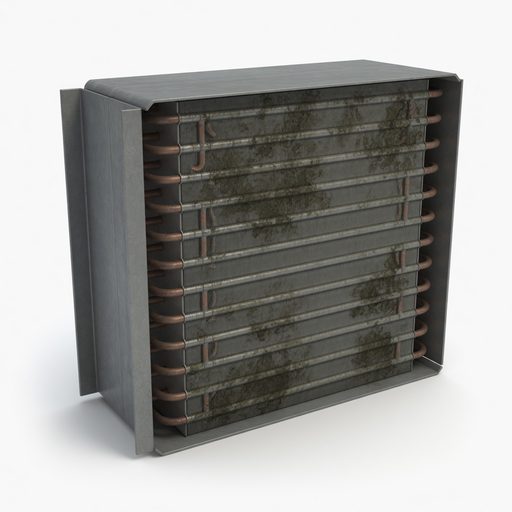
Your heating and cooling system circulates air throughout the entire house, which means mold anywhere in the HVAC system will spread the musty smell in your house everywhere. The most common HVAC mold sources are: a dirty evaporator coil that stays wet, a clogged condensate drain line that backs up, and ducts in unconditioned spaces (attics, crawlspaces) where condensation forms. Dirty air filters also reduce airflow, causing the evaporator coil to stay wetter longer.
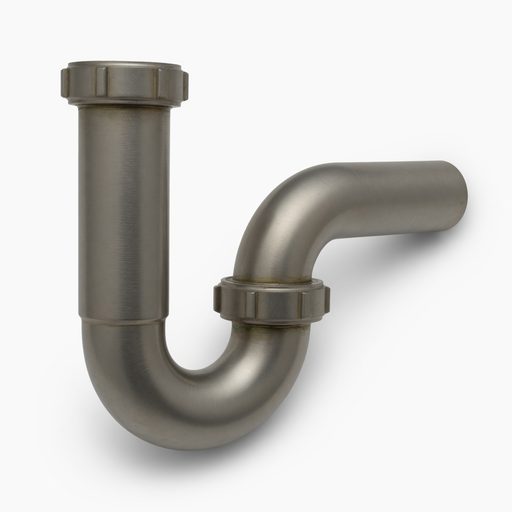
Bathrooms generate enormous amounts of moisture from showers and baths. Without adequate ventilation, this moisture condenses on walls, ceilings, and grout, creating ideal mold-growing conditions. Many bathroom exhaust fans are undersized, improperly ducted (venting into the attic instead of outside), or simply broken. Shower stalls with persistent caulk mold are a telltale sign that humidity isn't being managed.
Carpet and carpet padding act like sponges. After a flood, spill, or slow leak, the carpet may feel dry on top while the pad underneath retains moisture for days or weeks. Carpet on concrete slabs is especially problematic because moisture wicks up from the slab through capillary action. Once mold establishes in carpet padding, it's virtually impossible to clean — the padding almost always needs to be replaced.
A roof leak can go undetected for months, especially if it's slow and the water is absorbed by attic insulation before it reaches the ceiling. Water follows unexpected paths — a leak at the roofline may show up as a musty smell in your house on the floor below, far from the actual entry point. Window leaks from failed seals or poor flashing can saturate the wall cavity below the window.
How to Fix It
Dehumidify the Basement
$200-350 (dehumidifier)If your basement humidity is above 60%, a dehumidifier is the fastest way to stop mold growth and eliminate the smell.
- 1Buy a dehumidifier rated for your basement's square footage. For most basements, a 50-70 pint/day unit ($200-350) is appropriate. Frigidaire, hOmeLabs, and GE are reliable brands.
- 2Set the target humidity to 50% or lower. Mold cannot grow below 50% relative humidity.
- 3Route the drain hose to a floor drain or sump pit so it runs continuously without emptying a bucket.
- 4Seal obvious air leaks around basement windows and the rim joist area with caulk or spray foam — this prevents humid outdoor air from entering.
- 5If you have exposed dirt in a crawlspace, cover it with 6-mil polyethylene plastic sheeting, overlapping seams by 12 inches and sealing with tape. This is the single most effective crawlspace moisture fix.
Find and Fix the Hidden Leak
$0-500+ depending on severityIf the smell is localized, there's likely a leak feeding the mold. Finding it is the critical step.
- 1Check under every sink in the house. Open the cabinet, remove everything, and look at the bottom panel and back wall. Feel for dampness around P-trap connections and supply lines.
- 2Inspect around the base of every toilet. Feel the floor — it should be completely dry. Rock the toilet gently — if it moves, the wax ring may be compromised, allowing water to seep underneath.
- 3Run your dishwasher and washing machine and check for drips at the hose connections while they're operating.
- 4Use a moisture meter ($25-40 on Amazon) to scan walls near plumbing. Readings above 17% in drywall indicate hidden moisture.
- 5If you find a leak: fix it, then remove any affected drywall or material within 12 inches of the wet area and let the cavity dry with a fan for 48-72 hours before patching. Mold in drywall cannot be cleaned — the material must be replaced.
Clean and Service the HVAC System
$100-300 (professional cleaning)If the smell is in multiple rooms and comes from the vents, the HVAC system is circulating mold.
- 1Replace the air filter immediately. Use a MERV 11-13 rated filter ($15-25) — these catch mold spores effectively without restricting airflow on most systems.
- 2Check the condensate drain line — pour 1 cup of white vinegar down the drain line (at the indoor unit) to clear any algae or mold buildup. If it's completely clogged, use a wet/dry vacuum on the outside drain end.
- 3Have the evaporator coil professionally cleaned ($150-300). This is inside the air handler and is the primary surface where mold grows in HVAC systems. This is a job for a licensed HVAC technician.
- 4Consider UV-C light installation inside the air handler ($100-200 + installation) — these continuously kill mold on the evaporator coil and are very effective for preventing recurrence.
Fix Bathroom Ventilation
$30-250If the bathroom is the source, improving ventilation stops moisture buildup.
- 1Test the existing fan: hold a single sheet of toilet paper up to the vent cover. If it doesn't stick, the fan is too weak or not working.
- 2Replace the fan if needed. For most bathrooms, a 110+ CFM fan ($60-150) is adequate. Panasonic WhisperCeiling fans are very quiet and reliable. Make sure it's ducted to the outside — venting into the attic just moves the mold problem up there.
- 3Run the fan for at least 30 minutes after every shower, not just during. A timer switch ($20-40) makes this automatic.
- 4Remove and replace any silicone caulk that has visible mold — you can't clean mold out of caulk. Strip the old caulk with a utility knife, clean the surface with a 50/50 bleach-water solution, let it dry completely, and apply new 100% silicone caulk.
When to Call a Professional
You see large areas of visible mold (over 10 square feet) — the EPA recommends professional remediation for mold areas larger than about 3 feet by 3 feet. This typically costs $500-6,000 depending on the extent.
The musty smell in your house is accompanied by respiratory symptoms — persistent coughing, sneezing, itchy eyes, or worsening asthma when at home can indicate significant mold exposure. See a doctor and get the home professionally assessed.
You smell musty odors after a flood or major water event — any porous materials (carpet, drywall, insulation) that stayed wet for more than 48 hours likely have mold and should be removed, not just dried.
Mold is growing on structural components — mold on floor joists, wall studs, or roof decking indicates a serious moisture problem that needs professional assessment to prevent structural damage.
You're a renter and the landlord won't address it — mold can be a habitability issue. Document everything with photos, request repairs in writing, and contact your local housing authority if the landlord doesn't respond.
How to Prevent It
Keep indoor humidity below 50% — use a hygrometer ($10-15) to monitor. Run a dehumidifier in basements and crawlspaces, especially in summer when outdoor humidity is high.
Fix leaks immediately — even a small drip can grow mold within 24-48 hours. Don't wait until it's convenient. A $5 repair now prevents a $5,000 mold remediation later.
Ventilate bathrooms and kitchens properly — run exhaust fans during and 30 minutes after moisture-generating activities. Make sure fans vent to the outside, not into the attic.
Change HVAC filters every 1-3 months — dirty filters reduce airflow, causing the evaporator coil to stay wet longer and encouraging mold growth inside the system.
Ensure proper drainage around your foundation — gutters should direct water at least 4-6 feet away from the foundation. The ground should slope away from the house at a rate of 1 inch per foot for the first 6 feet.
What Exactly Causes That Musty Smell?
The musty smell isn't actually the mold itself — it's a group of chemicals called microbial volatile organic compounds (mVOCs) that mold and mildew release as they grow and digest organic material. Different mold species produce different mVOCs, which is why some musty smells have an earthy quality while others smell more like dirty socks or stale air.
The most common mVOCs include geosmin (the earthy smell after rain), 1-octen-3-ol (a mushroom-like odor), and various alcohols and ketones. These chemicals are detectable by the human nose at very low concentrations — often before mold is visible. If you can smell it, mold is actively growing somewhere, even if you can't see it.
This is actually useful information: your nose is a better mold detector than your eyes. If a room smells musty but looks clean, the mold is hidden — inside walls, under flooring, behind furniture against exterior walls, or inside the HVAC system.
Mold vs. Mildew: Does It Matter?
Mildew is technically a type of mold — specifically, it refers to molds that grow flat on surfaces (like the black spots on shower caulk). The distinction doesn't matter much for practical purposes. Both indicate excess moisture, both cause musty smells, and both are addressed the same way: fix the moisture source, then clean or remove affected materials.
What matters more is whether the mold is surface-level or structural. Surface mold on tile, glass, or painted surfaces can be cleaned with commercial mold killer or a bleach solution. Mold that has penetrated porous materials like drywall, carpet padding, or unfinished wood usually requires removal of the material. You can't clean mold out of a sponge, and you can't clean it out of drywall either.
Frequently Asked Questions
Prolonged exposure to mold can cause respiratory symptoms in many people, including coughing, sneezing, wheezing, itchy eyes, and nasal congestion. People with asthma, allergies, or compromised immune systems are more susceptible. In most cases, removing the mold source resolves symptoms. If you're experiencing persistent respiratory issues at home that improve when you're away, mold exposure is a likely contributor — see a doctor and get the home professionally assessed.
Start with a moisture meter ($25-40) — scan walls, especially near plumbing, exterior walls, and below windows. High readings indicate hidden moisture where mold is likely growing. Check behind furniture against exterior walls, inside closets on exterior walls, under carpet (peel back a corner), and inside HVAC vent registers. If you still can't find it, a professional mold inspector ($200-600) can use thermal imaging to locate moisture sources inside walls.
On hard, non-porous surfaces (tile, glass, concrete), yes — a solution of 1 cup bleach to 1 gallon of water kills surface mold effectively. However, bleach does not work on porous materials like drywall, wood, or carpet. On porous surfaces, the water in bleach actually penetrates deeper than the chlorine, which can make mold worse by adding moisture. For porous materials, either remove and replace the material, or use hydrogen peroxide or a commercial mold remediation product.
Small areas (under 10 square feet) can be DIY cleaned for under $50 in supplies. Professional remediation for moderate areas costs $500-3,000. Large-scale remediation involving structural components can run $3,000-15,000+. The biggest cost driver is how much material needs to be removed — if mold has spread through drywall, insulation, or subfloor, those materials need to be cut out and replaced. Getting multiple quotes is strongly recommended.