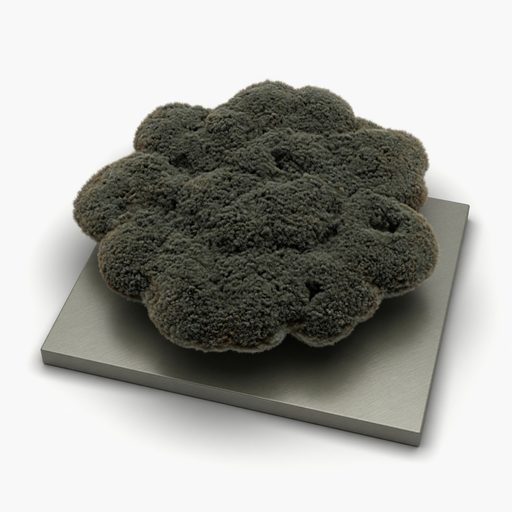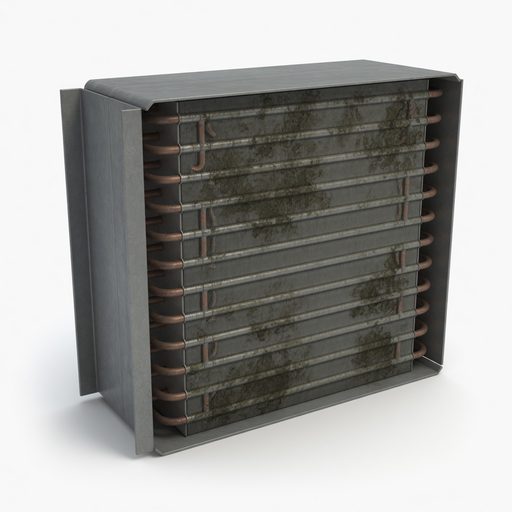
Does this match what you’re noticing?
“Film or scum on the water, the tank walls or bottom, or exposed motor parts”
Most Likely Causes (Ranked)
EPA puts it plainly: "Microorganisms often grow in humidifiers which are equipped with tanks containing standing water"1. Cool-mist ultrasonic and impeller units generally disperse the most of those organisms into the room with the mist; evaporative and steam units release fewer but still grow microbes if they hold water in a tank14. That is why MedlinePlus says humidifiers "must be drained and cleaned daily, because bacteria can grow in standing water"5. The usual setups are a tank topped off for days instead of emptied, water left in the unit while it sat switched off, or a unit put away wet last spring. CPSC's sign to look for is a film or scum on the water surface, the tank walls and bottom, or exposed motor parts, which it says suggests bacteria or fungi2. How far it can go: in a 2017 case report, a woman who "had used the device without cleaning it," with water left inside for more than a year, developed hypersensitivity pneumonitis traced to a fungus growing in her ultrasonic humidifier6.
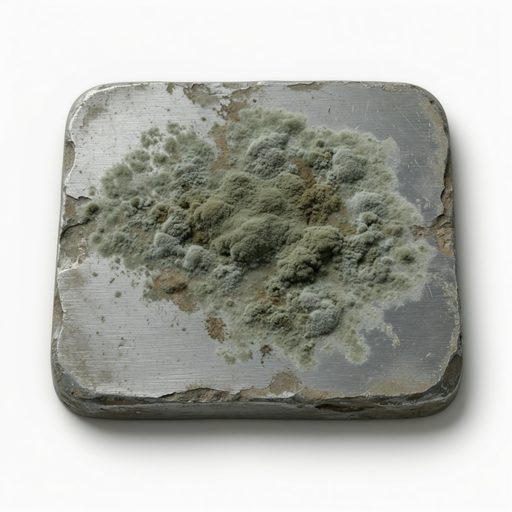
Evaporative humidifiers work by blowing air through a wet wick, belt, or filter, and EPA notes that units with a tank of standing water can still grow microorganisms; the wick sits in that water all day14. Wicks also load up with minerals: Levoit says that over time minerals, impurities, and everyday use reduce the wick's ability to absorb and evaporate water, and tells you to replace a wick that is discolored, stiff, or cracked or "emits an unpleasant odor"7. Honeywell's rules match: replace it if it starts to give off an odor, if moisture output drops, or if it is hard and crusty10. The brands disagree on how long a wick lasts. Honeywell says to change its wicking filter every 30–60 days depending on water quality and use, while Levoit says every 3–6 months under normal use710. Some Honeywell units also carry a Protec antimicrobial cartridge, and the HCM-350 manual's answer to an unpleasant odor is that you probably need to replace it; the manual says to change it after more than 30 days of regular use9.
Minerals in tap water turn into scale, and EPA calls scale the most compelling reason to avoid tap water: "Scale can be a breeding ground for microorganisms"1. Mayo Clinic likewise says tap-water minerals can encourage bacteria in the unit4. So a tank you empty every day can still smell if the crust on its floor, around the nebulizer, or on a heating element never comes off. CPSC's guide to reading the deposits: crusty scale or white dust means mineral buildup, a film or scum means bacteria or fungi2. How often to scrub it off is where the sources disagree. EPA and Mayo Clinic say to clean portable units every third day, Vicks recommends weekly, Levoit's LV600HH manual says at least once a month, and CPSC's 1992 guidance, issued with the appliance makers' association, was a weekly bleach soak for units under 5 gallons134811. White dust on furniture near an ultrasonic or impeller unit is the visible sign that tap minerals are going into the air; EPA says steam and evaporative units are not expected to disperse much1.
Many humidifiers are built for plain water only. Vicks' VWM845 warm-mist manual says not to add liquid inhalants, essential oils, or any additives to the water, allows them only in the separate medicine cup, and says never to put them in the water tank or reservoir12. Mayo Clinic's general rule is not to add anything to the water and not to use disinfectants the manufacturer has not approved4. Units that do take scents have a separate place for them: Levoit's LV600HH manual has its own section on using the aroma box8. The other additive is your own cleaner. Vicks and Honeywell both say to rinse until the smell of vinegar or bleach is gone, and CPSC says to rinse the tank well "to avoid breathing harmful chemicals"291112. Vicks also warns that more than ½ teaspoon of bleach in ½ gallon of water may damage the humidifier, and not to run the unit with vinegar in it1112.
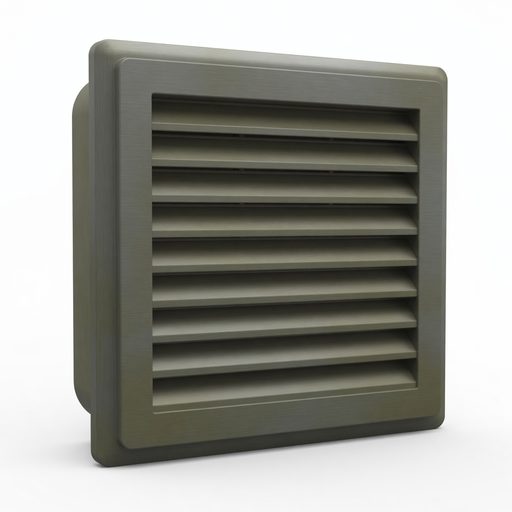
If the smell comes out of the heating registers rather than from one machine, check the humidifier mounted on the furnace. Bryant says "white scaling, reduced performance, or odors can indicate mineral deposits or stagnant water inside the unit," and that regular cleaning prevents mineral buildup or mold growth14. The water panel, the pad the water runs over, clogs: AprilAire says "over time, the water panel gets clogged from residual impurities in your water and needs to be replaced," annually on most of its models and twice per heating season on the Model 400, and recommends inspecting the distribution tray above the panel each year to clear mineral deposits13. Bryant says to change the panel at the beginning of each heating season, more often with hard water, to keep the drain line clear and flowing, and to turn off the water supply for seasonal shutdown as the owner's manual directs14. EPA's instruction for central units is to follow the manufacturer's cleaning and maintenance directions1.
Warm-mist units heat water on an electric element, and the minerals in that water stay behind on it112. Vicks' VWM845 manual says keeping the heating element free of scale helps the humidifier run efficiently and lists "Heating Element is covered in scale" in its troubleshooting table, with the remedy being its cleaning instructions12. Vicks' descaling method is to soak the element in undiluted white vinegar for at least 20 minutes, several hours or overnight for heavy buildup, and never to run the unit with the vinegar in it11. Neither the Vicks manual nor its cleaning guide describes a burning smell as normal1112. A smell of hot plastic, smoke, or something electrical is a different problem: CPSC and Duracraft recalled about 1 million humidifiers in 1997 after roughly 85 reports of units overheating and catching fire or producing smoke, and owners were told to stop using them immediately15. Unplug a unit that smells like that and do not run it again until you know why.
How to Fix It
Empty, towel-dry, and refill it every day
$0Do this first and every day after; it removes the standing water that EPA and MedlinePlus say microbes grow in15.
- 1Unplug the humidifier before you empty or refill it; EPA, CPSC, and Honeywell all say to unplug before cleaning or filling129.
- 2Pour out all the leftover water instead of topping it off, then wipe the tank and base dry. EPA says to empty, wipe dry, and refill portable units daily, and CPSC's 1992 guidance says to dry all surfaces with a soft towel13.
- 3Refill with distilled water if you can. EPA calls distillation the most effective way to remove minerals; deionized or reverse-osmosis water is less effective but still lower in minerals than most tap water, and bottled water labeled spring, artesian, or mineral has not been demineralized1.
- 4Do not leave water sitting in the unit while it is off; Honeywell says the humidifier should always be unplugged and emptied when not in operation9.
- 5Set it for 30–50 percent humidity, the range Mayo Clinic and CPSC recommend; EPA says not to go above 50 percent. Water condensing on windows or walls means too much: lower the setting, move the unit, or run it less124.
- 6Keep the area around it dry, including carpets and drapes; MedlinePlus says damp surfaces can grow mold and mildew15.
Descale with vinegar, then disinfect, as two separate steps
$0Use this when you see film, scum, or crust, or the smell survives a fresh fill; check your manual first, since EPA says to follow the manufacturer's directions on cleaning products1.
- 1Unplug it and, for a warm-mist model, let it cool; Vicks says to wait 20–30 minutes. Never submerge the base or motor in any liquid7811.
- 2Descale: cover the heating element or nebulizer with undiluted white vinegar and soak at least 20 minutes, several hours or overnight for heavy buildup (Vicks); Levoit's LV600HH manual uses 2 cups of distilled white vinegar plus 2 cups of water in the tank for 30 minutes811. Loosen crust with a soft brush, not steel wool712.
- 3Rinse until the vinegar smell is gone, and never run the unit with vinegar in it1112.
- 4Disinfect separately; Vicks says the two processes must be done apart. Vicks uses ½ teaspoon of bleach in ½ gallon of water for 20 minutes and warns more can damage the unit; Honeywell's HCM-350 manual uses 1 teaspoon of bleach in 1 gallon of cool water91112. If your manual names no product, EPA suggests wetting every surface that touches water with 3 percent hydrogen peroxide1.
- 5Rinse with several changes of water until the bleach smell is gone; CPSC says to rinse well "to avoid breathing harmful chemicals"129.
- 6For a smell that lingers in the tank, Levoit suggests a baking-soda soak of about 30 minutes, then a thorough rinse7.
- 7Dry every part before refilling. If the buildup will not come off, Mayo Clinic suggests replacing the unit4.
Replace the wick filter and any antimicrobial cartridge
VariesUse this on an evaporative unit when the wick is discolored, hard, crusty, or smells, or is past the brand's replacement interval710.
- 1Unplug the unit, lift out the wick, and look at it: Levoit says to replace one that is discolored, stiff, cracked, shedding, or smells, and Honeywell one that is hard and crusty710.
- 2Do not count on a soak to save an old wick; Honeywell says soaking in cool water loosens minerals but only improves performance temporarily10.
- 3Replace it on the maker's schedule, or sooner if it is dirty, as Mayo Clinic advises: Honeywell says every 30–60 days and more often with hard water, Levoit every 3–6 months4710.
- 4Clean the tank and base before the new wick goes in so it does not sit in old water; Levoit says to wipe the base and clear its drainage holes7.
- 5On a Honeywell unit with a Protec antimicrobial cartridge, replace that too; the HCM-350 manual says to change it after more than 30 days of regular use and names it as the likely fix for an unpleasant odor9.
- 6Soak a new Honeywell wick in cool water before installing it, and do not wring or squeeze it9.
- 7At the end of the season, throw the used wick out; Honeywell says not to store the unit with a used filter, and EPA says to discard used cartridges and filters19.
Service a furnace humidifier: new water panel, clean tray, clear drain
VariesUse this when the smell comes through the heating registers rather than from a portable unit.
- 1Turn off power before you open the humidifier; Bryant says not to attempt to service energized electrical components14.
- 2Replace the water panel: AprilAire says annually on most of its models and twice per heating season on the Model 400; Bryant says at the beginning of each heating season, more often with hard water1314.
- 3Clear mineral deposits from the distribution tray above the panel and the housing. AprilAire recommends inspecting the tray yearly; Bryant says to use warm water and a soft brush and to avoid harsh chemicals1314.
- 4Check that the drain line is clear and flowing and that water reaches the unit with the supply valve open14.
- 5On a steam whole-house unit, AprilAire says to replace the steam canister and O-ring annually, and that the electrode wires need replacing every three years by a licensed contractor13.
- 6At the end of the heating season, turn off the water supply and follow the owner's manual for shutdown. If you would rather not do the work, Bryant suggests letting an HVAC professional clean it14.
When to Call a Professional
Cough, fever, or shortness of breath that seems tied to the humidifier: EPA says to stop using it and contact your physician even if you have followed the maintenance directions, and Mayo Clinic says a dirty unit's mist may trigger flu-like symptoms or even lung illnesses14.
A burning, smoky, or hot-plastic smell: unplug it and stop using it; in the 1997 Duracraft recall, CPSC cited about 85 reports of humidifiers overheating and catching fire or producing smoke and told owners to stop using them immediately15.
Someone at home has asthma, allergies, or lung disease: EPA says the young, the elderly, and people with lung diseases or respiratory allergies may be especially susceptible to what a dirty humidifier releases, and CPSC says allergy and asthma sufferers may be more affected12.
A furnace-mounted unit leaks, will not drain, or needs electrical work: Bryant says not to service energized components and to let an HVAC professional handle what you are not comfortable doing, and AprilAire says steam-unit electrode wires are a licensed contractor's job1314.
Buildup will not come off after a long vinegar soak: Mayo Clinic suggests replacing an old unit with buildup that can't be removed rather than running it4.
How to Prevent It
Empty, wipe dry, and refill a portable unit every day, and never leave water in it while it is off; EPA and MedlinePlus both name standing water as where microbes grow159.
Fill it with distilled water: EPA says scale from tap-water minerals "can be a breeding ground for microorganisms," and Mayo Clinic says those minerals can encourage bacteria14.
Keep indoor humidity at 30–50 percent and check it with a hygrometer; above 60 percent, CPSC says moisture condenses on surfaces where bacteria and fungi grow24.
Put the wick on a calendar: Honeywell's interval is 30–60 days and Levoit's is 3–6 months, and both say to replace it sooner if it smells (Levoit adds stiff or cracked; Honeywell, hard and crusty)710.
Frequently Asked Questions
It can. EPA says breathing mist containing microorganisms from a humidifier "has been implicated as causing a certain type of inflammation of the lungs," and Mayo Clinic says bacteria and mold from a dirty tank or filter may trigger flu-like symptoms or even lung illnesses14. Doctors call one form humidifier lung: in a 2017 case report, an ultrasonic unit that had not been cleaned grew a fungus the patient's blood tested positive against, her fever and cough came on 4–8 hours after exposure, and they cleared after hospital admission without specific treatment6. EPA's rule is to stop using the humidifier and call your physician if breathing symptoms seem linked to it1.
Usually because the part that smells was not the tank. On an evaporative unit the wick sits in the water, and Levoit and Honeywell both say to replace a wick that gives off an odor or is discolored, stiff, hard, or crusty rather than keep cleaning it710. On some Honeywell models, the HCM-350 manual's answer to an unpleasant odor is to replace the Protec antimicrobial cartridge9. Scale left on the tank floor or heating element keeps harboring microbes, EPA says, and a chlorine or vinegar smell means more rinsing, which Vicks and Honeywell say to continue until the smell is gone1911.
Only if your manual says so, and only where it says. Vicks' VWM845 manual says not to add liquid inhalants, essential oils, or any additives to the water and allows them only in the separate medicine cup, while Levoit's LV600HH has a dedicated aroma box812. Mayo Clinic's general advice is not to add anything to the water4. If oil already went into the tank, empty it and run the full vinegar-then-disinfect cleaning, rinsing until no smell remains1112.
Both, for different jobs, and Vicks says the two must be done separately: undiluted white vinegar loosens mineral scale, and a weak bleach solution disinfects1112. Ratios vary by brand: Vicks uses ½ teaspoon of bleach per ½ gallon of water and warns more may damage the unit, Honeywell's HCM-350 uses 1 teaspoon per gallon, and EPA suggests 3 percent hydrogen peroxide when the manual names no product1912. Levoit's LV600HH manual says not to use liquid detergents8. Whatever you use, rinse until the smell is gone; CPSC says to rinse well to avoid breathing harmful chemicals2.
EPA, Mayo Clinic, MedlinePlus, and CPSC all recommend distilled or demineralized water, because tap-water minerals form scale that can harbor microbes and can come out of the unit as white dust1245. Not every manual insists: Vicks' VWM845 just says to fill the tank with cool water, and CPSC's 1992 guidance noted that most humidifiers use tap water while some makers recommend distilled312. Bottled water labeled spring, artesian, or mineral has not been demineralized, so it does not help1. If you stay on tap water, expect more scale to remove1.
The sources disagree. MedlinePlus says to drain and clean daily; EPA and Mayo Clinic say to empty and refill daily and clean every third day; Vicks recommends weekly; Levoit's LV600HH manual says at least once a month; and CPSC's 1992 guidance was a weekly bleach soak for units under 5 gallons and every two weeks for larger ones1345811. EPA, CPSC, MedlinePlus, and Levoit all say to change the water daily rather than top it off1257. Use your manual for the method and products, and EPA's every-third-day schedule if your manual's is less frequent1.
Minerals from tap water. EPA says ultrasonic and impeller units are very efficient at dispersing tap-water minerals and that white dust on surfaces means they are getting through, while steam and evaporative units are not expected to release much1. CPSC says the health effects of breathing it are unclear, and MedlinePlus says it can cause breathing problems25. It ties to the smell indirectly: the same minerals form scale, which EPA says can be a breeding ground for microorganisms1.
Sources
Every factual claim above comes from one of these. Updated November 2026.
- Use and Care of Home Humidifiers (EPA 402-F-22-002, revised June 2022) — U.S. Environmental Protection Agency
- Care of Room Humidifiers: Dirty Humidifiers May Cause Health Problems (CPSC Safety Alert, Document 5046) — U.S. Consumer Product Safety Commission
- Portable Humidifiers Need Regular Cleaning During Winter Months (Release 92-048, January 27, 1992) — U.S. Consumer Product Safety Commission
- Humidifiers: Ease skin, breathing symptoms — Mayo Clinic
- Humidifiers and health (reviewed October 20, 2024) — MedlinePlus, U.S. National Library of Medicine
- Hypersensitivity Pneumonitis Caused by a Home Ultrasonic Humidifier Contaminated with Candida guilliermondii (Internal Medicine 56(22):3109–3112, 2017) — Ando, Hagiya, Nada et al.; PubMed Central
- How Often Should You Replace Your Levoit Evaporative Humidifier's Wick Filter (January 24, 2026) — Levoit
- Levoit LV600HH Hybrid Ultrasonic Humidifier manual: Keeping Things Clean — Levoit (via ManualsLib)
- Honeywell HCM-350 Series Cool Moisture Humidifier owner's manual — Kaz, Inc. under Honeywell license (via ManualMachine)
- Replacement Humidifier Wicking Filter, Filter T, HFT600 — Honeywell (honeywellpluggedin.com)
- How to Clean Your Humidifier — Vicks Humidifiers (vickshumidifiers.com)
- Vicks Warm Mist Humidifier Model VWM845 Use and Care Manual — Vicks (via ManualMachine)
- Humidifier Maintenance — AprilAire
- Humidifier Maintenance — Bryant Heating & Cooling Systems
- CPSC, Duracraft Announce Recall of Humidifiers (September 4, 1997) — U.S. Consumer Product Safety Commission
Cite or link to this guide
Citation (APA)
Link (HTML)
Free to quote with a link back. Writers, teachers and landlords: the chart at Smells You Should Never Ignore is free to embed.
Related smells
Other guides in Home & House and smells that share a cause.