Most Likely Causes (Ranked)
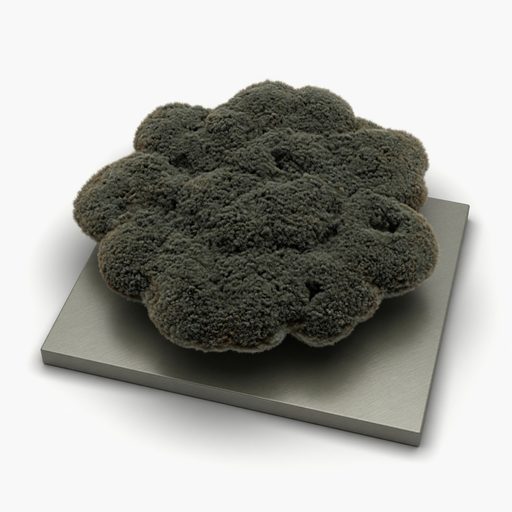
If you smell mold, there IS mold — the 'musty' smell is produced by microbial volatile organic compounds (MVOCs) released as mold metabolizes organic material. The mold may be visible or hidden behind walls, under carpet, in HVAC systems, or in other concealed spaces.
Humidity above 60% creates conditions for mold growth. Bathrooms, basements, crawl spaces, and areas with poor ventilation are most affected. The moisture source must be addressed or mold will return after cleaning.
Previous flooding, roof leaks, pipe leaks, or condensation can leave moisture in walls, under floors, or in insulation where mold grows invisibly. The mold smell may be the only sign of hidden water damage.
Mold growing inside air ducts, on the evaporator coil, or in the drain pan gets distributed throughout the house every time the system runs. This is particularly problematic because spores are actively blown into living spaces.
How to Fix It
Find and Fix the Moisture Source
$0-500Mold can't grow without moisture — this is the critical step.
- 1Check for active leaks: under sinks, around windows, in the attic/roof, and in the basement.
- 2Run a dehumidifier in damp areas — keep humidity below 50%.
- 3Improve ventilation: run bathroom fans during and 30 minutes after showers. Ensure dryer vents outside.
- 4Fix any grading or drainage issues outside that direct water toward the foundation.
Clean Visible Mold
$10-50For areas smaller than 10 square feet.
- 1Use a mold-specific cleaner or a solution of 1 cup borax per gallon of water.
- 2Clean with a scrub brush while wearing an N95 mask and gloves.
- 3Do NOT use bleach on porous surfaces (wood, drywall) — it kills surface mold but can't penetrate to kill roots.
- 4For drywall with mold: cut out and replace the affected section. You can't clean mold from drywall effectively.
Professional Mold Remediation
$500-5,000+For large areas (>10 sq ft) or mold in walls/HVAC.
- 1Professional remediation includes containment, HEPA air filtration, removal of contaminated materials, and treatment of surfaces.
- 2HVAC cleaning by a mold specialist: $300-1,000 (includes coil cleaning, duct cleaning, and drain pan treatment).
- 3Get multiple quotes — prices vary widely. Ask about their containment and testing protocols.
- 4Post-remediation air testing ($200-400) confirms mold levels have returned to normal.
Air Quality Improvement
$30-300While addressing the source.
- 1Run a HEPA air purifier in affected rooms — HEPA captures mold spores down to 0.3 microns.
- 2Replace HVAC filters with MERV 11+ rated filters — these capture mold spores.
- 3Keep windows open when weather permits to improve ventilation.
- 4Activated carbon filters help with the musty smell but HEPA is needed for spore reduction.
When to Call a Professional
Mold smell + active water leak — address the leak first, then the mold. Without fixing the moisture, remediation is wasted.
Anyone with asthma or respiratory issues should avoid mold-affected areas until remediated
Visible black mold on a large area (>10 sq ft) — hire a professional. DIY cleanup can spread spores.
If you're experiencing respiratory symptoms, headaches, or fatigue that improve when you leave the house, mold exposure is likely
How to Prevent It
Keep indoor humidity below 50% — a $200 dehumidifier prevents thousands in mold remediation.
Fix leaks within 24-48 hours — mold begins growing on wet surfaces within 24-48 hours.
Use bathroom exhaust fans during and 30 minutes after every shower.
Inspect behind furniture against exterior walls annually — mold loves cold, hidden surfaces.
Clean HVAC drip pans and change filters regularly to prevent mold in the air system.
How Mold Affects Health
Mold produces three categories of health-affecting compounds: spores (which trigger allergic reactions and can colonize airways), mycotoxins (toxic compounds produced by certain mold species), and MVOCs (volatile organic compounds that cause the musty smell and can irritate mucous membranes).
The 'musty' smell itself comes from MVOCs — compounds like 1-octen-3-ol, geosmin, and 2-methylisoborneol. These are volatile enough to travel through air and are detectable at very low concentrations. If you can smell mold, the spore count in the air is almost certainly elevated above background levels.
The most-feared mold, Stachybotrys chartarum ('black mold'), produces satratoxins — potent mycotoxins that can cause pulmonary hemorrhage in infants and immunosuppression in vulnerable individuals. However, most household mold is Cladosporium, Aspergillus, or Penicillium — which primarily cause allergic reactions rather than toxic effects.
Frequently Asked Questions
Yes — the MVOCs that produce the musty smell can irritate eyes, nose, throat, and lungs. More importantly, if you smell mold, you're also inhaling spores that can trigger allergies and asthma.
No — most household mold causes allergic reactions, not toxic effects. The danger depends on the species, the amount, your exposure duration, and your individual sensitivity.
Key indicators: symptoms improve when you leave the house, worsen when you return, and include chronic congestion, coughing, eye irritation, or fatigue.
If you can smell it, you have it — testing isn't strictly necessary. But professional testing ($200-500) can identify the species and severity, which helps determine the appropriate response level.
No — many common molds are black in color. Stachybotrys is a specific species that requires very wet conditions. Only lab testing can confirm the species. Don't panic over the color alone.