Does this match what you’re noticing?
“Musty or moldy smell that appears specifically when you turn on the AC or heater”
Common Causes (Ranked by Likelihood)
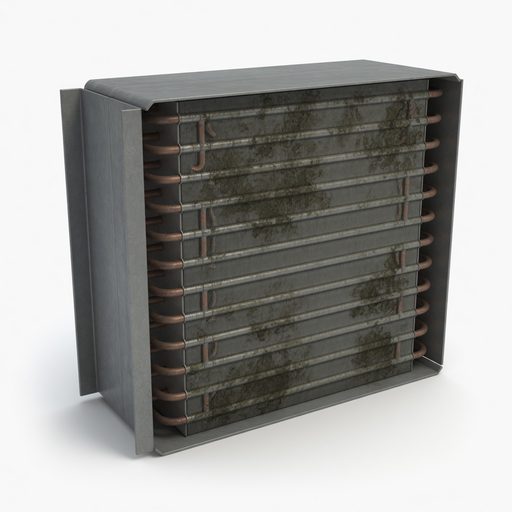
The AC evaporator sits inside the dashboard and removes humidity from the air by cooling it. Moisture condenses on the coil and normally drains out through a drain tube under the car. If the drain tube is clogged, or if the AC is left in recirculation mode, water sits on the evaporator and surrounding housing — creating a perfect mold incubator. Mold and bacteria growing here release MVOCs (microbial volatile organic compounds) directly into the cabin air every time the fan runs.
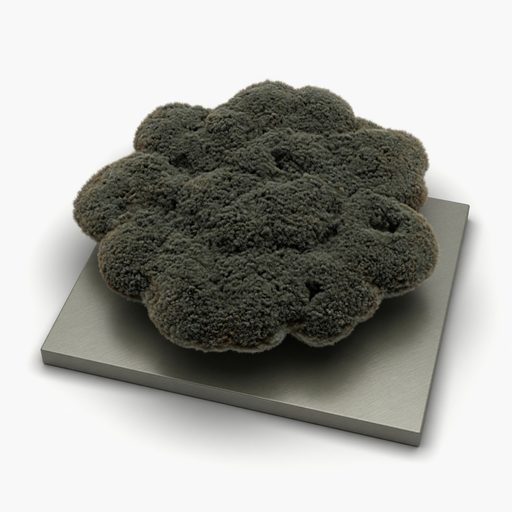
Cars develop water leaks from multiple sources — clogged sunroof drains, degraded door/windshield seals, cowl drain blockages (allowing water into the firewall), and trunk seal failures. Water soaks into the carpet and the foam padding beneath it. The padding is extremely dense and takes weeks to dry on its own — long enough for significant mold colony formation. Carpet padding mold produces an intensely musty smell.
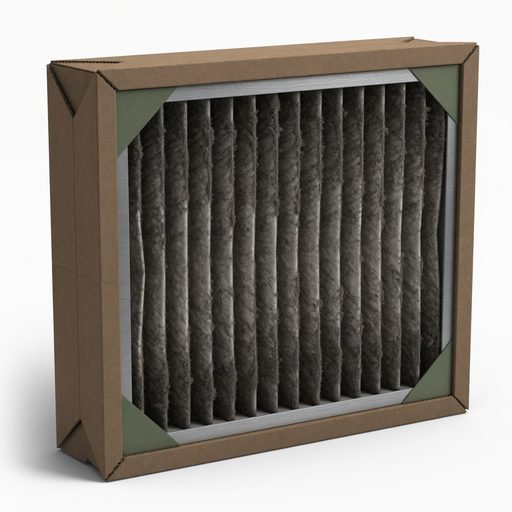
The cabin air filter traps airborne particles before they enter the HVAC system. In humid climates or if the AC drain is partially clogged, moisture can collect on a dirty filter — creating ideal conditions for mold and bacterial growth. A moldy cabin filter then disperses its spores and odor into the cabin every time the fan runs.

Wet gym clothes, wet umbrellas, wet beach gear, damp food spills, or even a forgotten wet dog towel left in a closed car can generate enough moisture to grow significant mold within 24–48 hours. Cloth seats and fabric cargo areas absorb moisture readily.
Trunk lid seal failures allow rain water to pool in the trunk — particularly in the spare tire well, where it sits unnoticed for months. Standing water in the spare tire well breeds mold and eventually generates a smell that permeates through the rear seat into the cabin.
How to Fix It
HVAC System Decontamination
$15–40Fixes AC evaporator mold — the most common cause.
- 1Replace the cabin air filter first — it's located behind the glove compartment. Remove the old filter and inspect it: if it's visibly moldy or smells bad, that alone may be causing the smell.
- 2With the engine on and fan on high with fresh air mode (NOT recirculation), open all windows.
- 3Spray an automotive HVAC disinfectant (Lysol HVAC, Chemical Guys AIR_DOG, or similar) into the exterior air intake — typically a vent at the base of the windshield near the wipers.
- 4Let the fan pull the spray through the entire system for 2–3 minutes.
- 5Clear the AC drain: locate the drain tube exiting through the firewall on the passenger side. Use compressed air or a thin flexible wire to clear any blockage — you should see water drip out freely when the AC is running.
- 6After the drive, turn off the AC 5 minutes before reaching your destination and let the fan run on fresh air — this dries the evaporator before the car sits.
Find and Fix the Water Leak
$0 to diagnose, $50–500+ to repairEssential if wet carpet or padding is the cause.
- 1With a helper outside the car using a garden hose, systematically spray different areas while you inspect from inside with a flashlight: windshield seal, door seals, sunroof drains, cowl area below the windshield.
- 2Check the sunroof drain outlets — they exit at the roofline pillars. If blocked, water backs up into the cabin. Clear with compressed air.
- 3Press your hand firmly into the carpet in all footwell areas. Wet = leak detected.
- 4Once the leak source is found: new weatherstripping from an auto parts store ($20–60) fixes most door and trunk seal leaks. Windshield resealing requires a professional ($100–300).
- 5After fixing the leak, pull the carpet, remove soaked padding, and allow the floor to dry completely (1–3 days with fans) before replacing.
When to Call a Professional
Mold smell + visible mold on interior surfaces (dash, seats, headliner) — significant mold infestation needing professional detailing or remediation.
Musty smell + persistent fogging of windows from the inside — indicates very high interior humidity from an ongoing active leak. Fix the leak urgently or mold will continue spreading.
Musty car smell + respiratory symptoms in passengers (sneezing, coughing, irritated eyes) — passengers may be allergic to mold spores. Fix immediately and consider an air quality assessment.
Car smell like mold after flooding — flood-damaged vehicles often have mold in walls, under carpet, and inside door panels. Professional flood remediation is needed.
How to Prevent It
Turn off the AC 5 minutes before parking and let the fan run on fresh air — dries the evaporator and prevents mold growth.
Replace the cabin air filter every 15,000 miles or annually.
Never leave wet items (gym clothes, towels, beach gear) in a closed car.
Check the trunk's spare tire well after heavy rain for standing water.
Keep a small DampRid or silica gel dehumidifier in the car during humid seasons.
Frequently Asked Questions
Yes — mold produces spores and microbial volatile organic compounds (MVOCs) that circulate through the cabin air. In people sensitive to mold (which includes a significant portion of the population), this can cause sneezing, runny nose, eye irritation, headaches, and respiratory symptoms. People with asthma or mold allergies are particularly susceptible.
No — air fresheners only mask the smell temporarily. The mold colonies continue to grow and produce MVOCs regardless of any fragrance applied. The only effective fix is finding the mold source, eliminating the moisture that supports it, and physically removing or killing the mold.
This is classic AC evaporator mold. The fan distributes mold spores and MVOCs from the evaporator housing directly into the cabin the moment it starts running. After a few minutes, the constant airflow dilutes the smell. Replacing the cabin filter and disinfecting the HVAC system (see fix above) resolves this pattern.
Press your hand firmly into the carpet in each footwell — if it feels damp or you hear a squelching sound, moisture is present. Lift the carpet at a corner and smell the padding beneath — moldy padding has a very strong musty smell. You may see dark discoloration or actual visible mold growth on the padding or floor pan.