
Common Causes (Ranked by Likelihood)
Water entering through a failed door seal, windshield seal, plugged firewall drain, or sunroof drain tube soaks the carpet padding. Car carpet padding is thick and retains water for weeks — the top of the carpet can feel dry while the padding underneath is saturated. Mold grows rapidly in this warm, dark, wet environment. The mildew smell intensifies when the car heats up (on a warm day) because warmth increases mold volatile compound release.
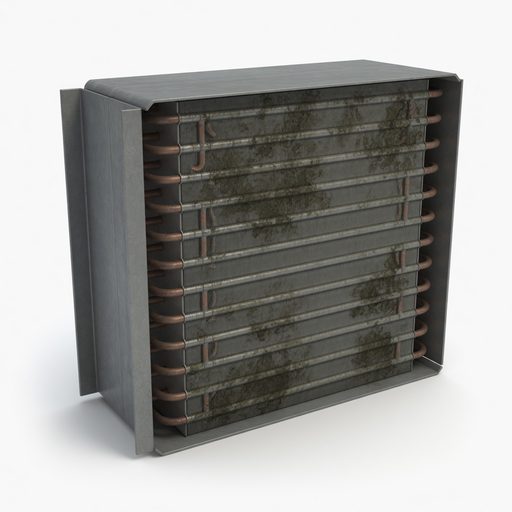
The AC evaporator cools air by condensing moisture from it — collecting water that normally drains out of the car. If the drain becomes partially clogged, or in humid climates where the evaporator is frequently wet, mold grows on the evaporator fins and the surrounding housing. The smell appears specifically when the AC is first turned on — often described as dirty socks, gym locker, or mildewy. It may clear after a minute of running.
Rubber and all-weather floor mats trap moisture beneath them — particularly in rainy seasons or if wet shoes are regularly placed on them. The moisture trapped under the mat (between the mat and carpet) creates a perfect mold environment. The mats themselves can also develop mildew odor. This is one of the easiest car mildew sources to check and fix.
A window left open during rain, a sunroof that didn't fully close, or a child's sports equipment placed wet on seat fabric saturates the upholstery. Seat foam absorbs moisture and holds it, allowing mold growth below the fabric surface. Like carpet, the fabric surface may feel damp-dry while the foam beneath is saturated.
Sunroof drain tubes channel rain away from the interior — when they become clogged with debris (leaves, grit), water backs up and drips onto the headliner, A-pillars, or carpet at the base of the windshield. Clogged AC drain causes water to pool in the HVAC box and drip onto the passenger footwell carpet. Both create persistent mildew smell from chronically wet material.
How to Fix It
Find and Fix the Water Leak
$0-500The most critical step — without this, mildew returns.
- 1Remove all floor mats and press the carpet firmly in multiple areas — a wet sponge feeling indicates saturated padding.
- 2Check common leak points: press along the bottom of the windshield, door jambs, and behind the kick panels. Use a flashlight to look for water staining on the A-pillar and headliner.
- 3Have a helper pour water over the roof while you watch from inside for drips — identifies sunroof drain or windshield seal issues.
- 4Sunroof drains: find the drain holes (corners of the sunroof channel) and clear with a thin wire or compressed air.
- 5Seal failures: windshield and door seal repairs typically run $100-400 at a shop or $20-50 DIY with the correct sealant.
Dry Out the Interior Completely
$0-50Must do before any cleaning — mold grows in damp material.
- 1Remove floor mats and all items from the car. Open all doors and windows on a dry day.
- 2Use a wet-dry shop vacuum to extract as much moisture from carpet as possible — make multiple slow passes.
- 3Place a fan or fans inside the car directing airflow across wet areas. Run for 4-8 hours.
- 4On a sunny day: park with windows slightly open and sun hitting the wet areas — heat accelerates drying significantly.
- 5For stubborn wet carpet padding: pull back the carpet edge (it clips or tucks at the doorframe) and run a fan directly on the wet padding. This may take 1-2 full days.
Treat AC Evaporator Mold
$15-100For mildew smell specifically when AC first turns on.
- 1Purchase an evaporator cleaner spray (Lysol, Nu-Vinyl, or dedicated AC evaporator cleaner).
- 2Locate the cabin air intake — usually at the base of the windshield under the hood or inside the car near the blower. Spray directly into the intake with AC on high and windows open.
- 3Run the AC on recirculate for 10 minutes with the treatment inside the system.
- 4Replace the cabin air filter — a moldy filter re-contaminates the evaporator.
- 5Prevent recurrence: run the fan only (no AC) for 5 minutes before turning off the car to dry the evaporator. Or use a dedicated evaporator drying setting if your car has one.
Deep Clean Carpet and Upholstery
$50-300After drying — removes mold colonies and odor.
- 1Once completely dry, apply an enzyme-based fabric cleaner or upholstery mold spray to affected carpet and seats.
- 2Agitate with a stiff brush to penetrate into carpet fibers.
- 3Extract with a wet-dry vacuum or portable carpet cleaner. Make multiple passes.
- 4For severe mold: professional auto detailing with hot water extraction and ozone treatment is the most thorough option ($100-300).
- 5Allow to dry completely with doors open or using fans before closing the car up.
When to Call a Professional
Mildew smell with visible mold on seats or headliner — indicates significant moisture intrusion and likely mold colony; professional detailing and leak repair needed.
Smell returns within a week of cleaning — water leak is still active; cleaning without fixing the source is temporary.
Water pooling on passenger footwell specifically — clogged AC condensate drain is a common cause; the water drips directly onto the carpet from above.
How to Prevent It
Run fan (no AC) 5 minutes before turning off — dries the evaporator and prevents mold growth.
Replace cabin air filter every 15,000-25,000 miles — prevents mold on the filter from spreading to the evaporator.
Check sunroof drains annually by pouring water into the channel and watching it drain out under the car.
Never leave windows open in rain — wet seat foam takes days to fully dry.
Remove wet items from the car quickly — wet sports gear, umbrellas, and clothing left in a closed car create significant humidity.
The Evaporator Smell: Why Your AC Smells Like a Locker Room
The AC evaporator mold smell is so common and specific that mechanics call it 'dirty sock syndrome.' The evaporator is always wet when AC is running — that's the point, it condenses water out of the air. When the car is turned off, the evaporator stays wet and warm, creating ideal mold conditions. In humid climates, this happens to virtually every car eventually.
The practical prevention is counter-intuitive: before turning off the car, switch to fan-only mode (no cooling) for 5 minutes. This blows ambient air through the still-cool evaporator, drying it off before the car is left. Some newer vehicles do this automatically. It takes 5 minutes and prevents hours of professional cleaning. Most evaporator mold problems in cars are preventable with this single habit change.
Frequently Asked Questions
Mold is growing on the AC evaporator — the component that cools the air. The evaporator stays wet after AC use, which allows mold to grow on it. The smell appears when the AC first turns on and disturbs the mold, then fades as the evaporator dries out. Fix: evaporator cleaner spray + replace cabin air filter. Prevent by running fan-only for 5 minutes before turning the car off.
The carpet can feel dry on top while the padding underneath is saturated. Press your hand firmly into the carpet — if you feel resistance or get a wet-sponge feeling, the padding is wet. Also check the AC evaporator (smell when AC turns on?) and under the floor mats. The mildew source is always moisture, even if the surface seems dry.
Three-step process: (1) find and fix the water source — a leak, clogged drain, or AC evaporator issue. (2) Completely dry the interior — this takes 24-48 hours with fans. (3) Clean with enzyme cleaner and extract moisture. Skipping step 1 means the smell returns within weeks because the moisture source is ongoing.
Baking soda absorbs some odor from the air but doesn't address mold in carpet or upholstery. Ozone generators are highly effective — ozone penetrates all surfaces and kills mold spores throughout the car. However, ozone treatment requires vacating the car for 2-4 hours and is typically done professionally. It's the best single treatment for severe mildew smell after the moisture source is addressed.