
Common Causes (Ranked by Likelihood)
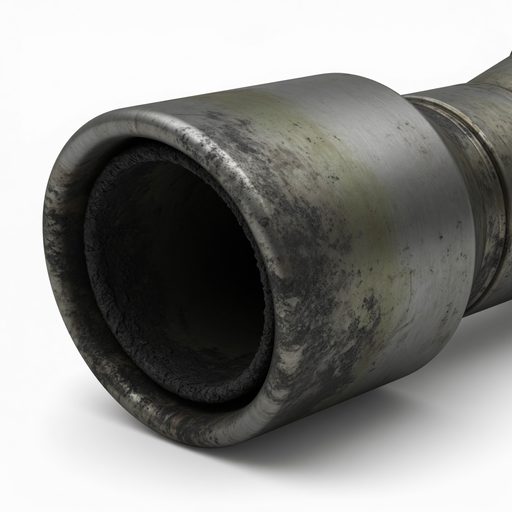
The most common cause of a burning oil smell is oil leaking from a failed gasket, seal, or fitting and dripping onto hot exhaust parts. The exhaust manifold runs at 600-900°F, the catalytic converter at 400-800°F — both hot enough to instantly vaporize oil droplets. Valve cover gaskets are the most frequent culprit (they dry out and crack with age/heat cycling), followed by the front or rear main seals, cam seals, and oil pan gasket. The smell is strongest right after shutting off a hot engine, when residual heat continues burning accumulated oil drips.
After an oil change, the oil filler cap is sometimes left loose or not replaced properly. Oil splashes out during normal engine operation and lands on hot engine surfaces. This is one of the most common post-oil-change complaints. The smell typically appears immediately after the oil change and the fix is immediate. It's embarrassing for the shop but easily resolved.
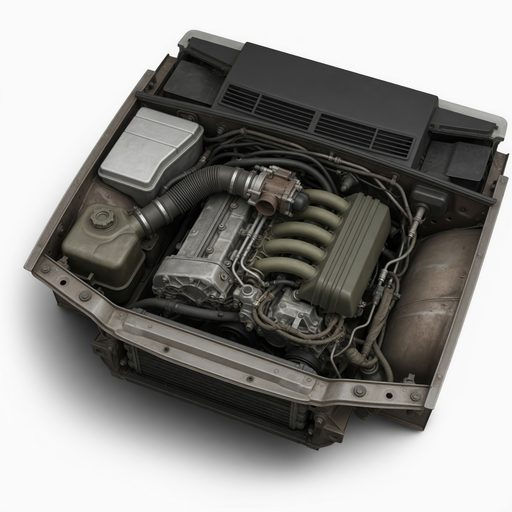
Worn piston rings or valve stem seals allow engine oil to enter the combustion chamber, where it burns with the fuel. This produces a bluish-gray smoke from the exhaust and a sharp, acrid burning oil smell from the tailpipe. Higher-mileage vehicles (100,000+ miles) are more susceptible. Oil consumption increases — the car may use a quart or more of oil between changes. The smell is more from the exhaust than from the engine bay.
If the engine is overfilled with oil (more than the max mark on the dipstick), excess oil can be pressurized into areas it shouldn't reach, including the PCV (positive crankcase ventilation) system, air intake, and valve covers — and can be pushed out through seals and gaskets that would otherwise be fine. Overfilled oil can foam, reducing lubrication effectiveness and causing oil to be expelled through the engine. The burning smell after an overfill usually resolves once the excess is drained.
A significant oil leak from the front of the engine can drip directly onto the catalytic converter as oil travels rearward. The cat operates at 400-800°F and will burn any oil it contacts immediately. This produces a particularly sharp, chemical burning smell and can eventually damage or plug the catalytic converter. The location of the leak (front of engine, above/near the exhaust) is key to identifying this.
If the burning oil smell is inside the cabin specifically, oil fumes are entering through the ventilation system. This can happen when there's a leak near the cabin air intake (typically at the base of the windshield), through the heater core area, or via the PCV system if it malfunctions and allows crankcase fumes to enter the intake. Oil fumes inside the cabin are a health concern — carbon monoxide may also be entering.
How to Fix It
Find and Fix the Leak
$50-800The smell will keep coming back until the leak source is repaired.
- 1Check the oil cap first — remove and reseat it firmly if the smell appeared after an oil change.
- 2Check the dipstick and oil level. If low, you have an active leak. If overfull, drain excess immediately.
- 3Look under the car for oil drips or stains. Fresh oil is amber/brown; old oil is dark brown/black.
- 4Common leak repairs: valve cover gasket ($150-400 depending on car), rear main seal ($500-1,500 because it requires removing the transmission), cam seals ($200-600).
- 5A mechanic can perform a UV dye leak test — they add UV dye to your oil, run the engine, then scan with a UV light to pinpoint the exact leak location.
Address Oil Burning in Engine
$0-3,000+For blue smoke from exhaust — a spectrum of options from monitoring to rebuild.
- 1First, check if it's actually oil burning vs. coolant (white sweet-smelling smoke) or rich fuel (black smoke). Blue-gray smoke is oil.
- 2For mild consumption (less than 1 quart per 3,000 miles), high-mileage oil and engine oil stop-leak additives can slow progression.
- 3Switching to a higher viscosity oil (e.g., 5W-40 instead of 5W-30) can reduce oil consumption by increasing oil film thickness.
- 4For valve seal failure specifically: a valve stem seal replacement is $300-600 and can be done without engine removal.
- 5Full engine rebuild or replacement is the definitive fix for severely worn rings — $3,000-8,000+, typically only warranted if the car's value justifies it.
Cabin Oil Fume Emergency Protocol
$0 (immediate action)If oil smell is inside the cabin — treat as priority.
- 1Open windows immediately and switch HVAC to fresh air (not recirculation) to reduce fume concentration.
- 2Do not use the recirculate setting until the source is found — this traps fumes inside.
- 3Have the car inspected before driving further. A significant oil leak near the exhaust with cabin fumes can indicate carbon monoxide exposure risk.
- 4After the leak is repaired, run the HVAC on high fresh air to clear residual oil vapors from the ducts.
- 5If you feel dizzy, nauseous, or have a headache while driving — pull over, get out, and call for help.
When to Call a Professional
Burning oil smell plus visible smoke from engine bay — pull over and investigate before continuing; possible active oil-on-exhaust burning.
Oil smell inside the cabin with headache or dizziness — possible carbon monoxide exposure; pull over, get out, ventilate.
Oil smell combined with sudden loss of power or engine knocking — critically low oil level from a major leak; stop the engine immediately to prevent catastrophic damage.
Oil smell plus check engine light and rough idle — oil burning in combustion (worn rings/valves) that needs diagnosis.
Oil smell that appeared suddenly and is getting stronger — active increasing leak; get it checked within 24 hours.
How to Prevent It
Check oil level monthly — catching a developing leak early prevents it from becoming severe.
Follow oil change intervals — old, degraded oil breaks down seals and gaskets faster.
Double-check the oil cap after every oil change — verify it's firmly seated before closing the hood.
Don't overfill oil — stay between the MIN and MAX marks on the dipstick. Overfilling causes as many problems as underfilling.
Address small oil leaks early — a minor valve cover gasket leak ($150) left unaddressed eventually damages the ignition coils sitting in oil-soaked wells ($400+).
Use correct oil viscosity for your vehicle — wrong viscosity oil stresses seals and can increase leakage.
How to Tell Where an Oil Smell Is Coming From
Location and timing are the two diagnostic keys. If the smell is strongest outside the car — particularly near the front or driver's side wheel area — the source is likely in the engine bay (valve cover, front seals, or oil filter area). If it's strongest at the rear near the exhaust tip, the engine is burning oil internally. If it's inside the cabin only, oil fumes are entering the ventilation system — a more urgent situation.
Timing also matters: a smell that appears immediately on startup and then fades is usually residual oil burning off from a previous leak or spill. A smell that builds as the engine warms up suggests an active leak onto increasingly hot components. A smell only after hard acceleration or long highway drives points to oil under pressure being forced past marginal seals.
The simplest home diagnostic: after driving, park over a clean cardboard sheet and check it after an hour. Active oil drips will appear as dark spots and help you roughly identify whether the leak is front, middle, or rear of the engine.
Frequently Asked Questions
Potentially yes — a burning oil smell indicates oil is contacting hot exhaust components, which is a fire hazard, especially with larger leaks. Additionally, if the smell is inside the cabin, exhaust fumes (including carbon monoxide) may be entering. A burning oil smell should always be investigated, not ignored.
Several possibilities: (1) a previous drip already burned off but left residue, (2) the leak only occurs when the engine is hot and under pressure (so you wouldn't see drips when cold), (3) oil is burning internally (worn rings) with no external leak, or (4) the leak is very small and evaporates before it drips. A mechanic's inspection with a UV dye test will find leaks that are invisible to casual inspection.
Your heater core shares the cabin air system with your engine bay. If there's an oil leak near the firewall or at the heater intake area, turning on the heater draws those oil fumes into the cabin. It can also be a PCV system issue that routes crankcase vapors into the intake manifold — when the heater is on, more air draws through the system and pulls oil vapors with it.
After a leak is repaired, residual oil on hot exhaust components typically burns off within 1-3 drives. The smell will be strongest during the first drive after the repair as accumulated oil burns away, then should progressively diminish and disappear. If it continues after 3+ drives, the leak may not have been fully repaired.