
Most Likely Causes (Ranked)
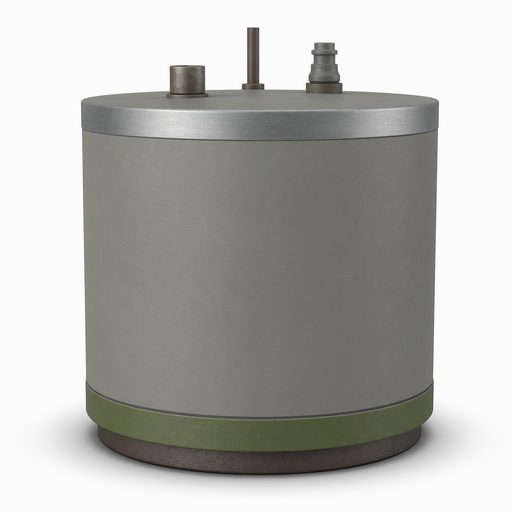
The heater core is a small radiator inside the dashboard that heats cabin air. When it leaks, coolant seeps into the cabin — producing a sweet smell, windshield fogging, and sometimes wet passenger-side carpet.
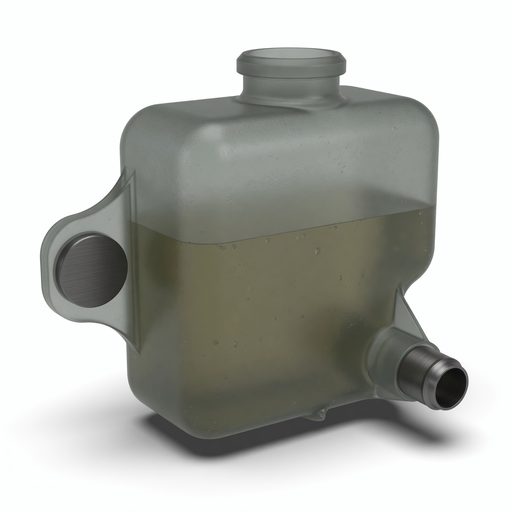
Radiator hoses deteriorate over time, cracking at clamp connections. Upper and lower hoses and their clamps are common leak points.
The water pump seal can fail over time, weeping coolant from the weep hole. Radiators leak at plastic end tank seams or through corrosion in the core.
How to Fix It
Locate the Leak
$0 (visual) / $50-100 (pressure test)Finding where coolant is escaping is the critical first step.
- 1Check coolant reservoir. If below minimum, you're losing coolant somewhere.
- 2Engine cold: inspect hoses, clamps, water pump, and radiator for wet spots or colored residue.
- 3Check passenger footwell for dampness (heater core).
- 4A pressure test ($50-100) makes even small leaks visible.
- 5UV dye ($20-40) added to coolant glows under UV light at the leak point.
Replace Leaking Hose or Clamp
$20-100 DIY / $100-250 shopThe cheapest and easiest cooling system repair.
- 1Wait until engine is completely cool. Hot coolant causes severe burns.
- 2Radiator hoses cost $15-40. Straightforward DIY: drain coolant, loosen clamps, swap hoses, tighten, refill.
- 3If just a clamp is loose, retightening may stop the leak. Replace corroded clamps ($2-5).
- 4Monitor temperature gauge closely for the next few drives.
Address Heater Core Leak
$50-150 (bypass) / $500-1,500 (replacement)Heater core replacement is expensive because the dashboard usually needs to come out.
- 1Temporary: bypass the heater core by connecting the two heater hoses together ($5-10). Eliminates heat and defrost.
- 2Stop-leak product ($10-15) can temporarily seal small leaks — works about 50% of the time.
- 3Permanent: heater core replacement. Part is $30-150 but labor is $400-1,200+ due to dashboard removal.
- 4After any heater core work, flush the cooling system and refill with correct coolant type.
When to Call a Professional
Temperature gauge climbing toward hot — pull over and turn off engine. Overheating causes major engine damage within minutes.
Steam or white smoke from under the hood — coolant hitting hot surfaces. Don't open the hood until engine cools.
White exhaust smoke from the tailpipe — coolant in combustion chambers, usually a blown head gasket ($1,000-3,000+).
Coolant needs refilling more than once a week — fast leak risks engine damage.
Oily film on inside of windshield — heater core leak. Inhaling coolant vapors is not healthy.
How to Prevent It
Check coolant level monthly — a consistently dropping level means a leak is developing.
Replace coolant every 30,000-60,000 miles — old coolant becomes acidic and corrodes components.
Replace radiator hoses every 60,000-100,000 miles — they deteriorate from the inside out.
Use the correct coolant type — mixing types causes corrosion. Check your owner's manual.
Keep animals away from coolant spills — ethylene glycol is highly toxic to pets. Clean spills immediately.
Why Does Coolant Smell Sweet?
The sweet smell comes from ethylene glycol, the main antifreeze ingredient. The additives and dyes interact with glycol to produce that distinctive maple-syrupy aroma when heated or evaporating.
This is an important safety feature — it makes leaks detectable before they cause engine damage. The sooner you address a coolant leak, the cheaper the repair.
Safety note: ethylene glycol is toxic to humans and animals despite its pleasant smell. "Pet-safe" propylene glycol alternatives are available and perform comparably.
Frequently Asked Questions
Slow leak (drops over weeks): monitor and top up, but fix it soon. Fast leak (needs coolant every few days): risk of overheating and engine damage. If temperature gauge moves toward hot, pull over immediately. Never drive an overheating car.
Hose clamp: free to retighten. Hose replacement: $20-100 DIY, $100-250 shop. Water pump: $200-700. Radiator: $300-900. Heater core: $500-1,500. Head gasket: $1,000-3,000. Most coolant leaks are cheap to fix — ignoring them is expensive.
This confirms a heater core leak. Air blown over the leaking heater core carries coolant vapor into the cabin. You may also notice an oily windshield film.
In an emergency, yes. But water freezes at 32°F and boils at 212°F, while coolant mix handles -35°F to 265°F. Water also lacks corrosion inhibitors. Use it only as an emergency measure.