Most Likely Causes (Ranked)
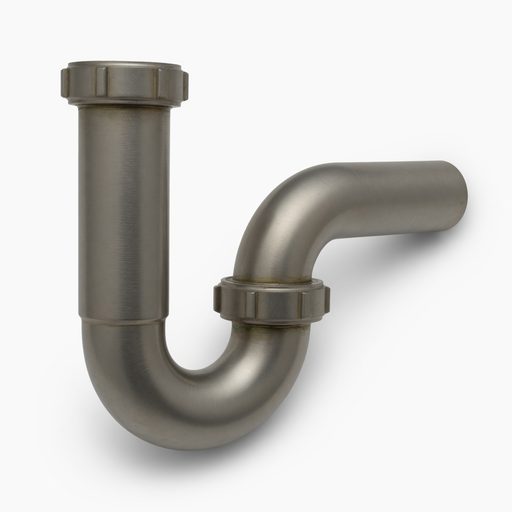
P-traps hold about 2 inches of water that seals against sewer gas. When a drain isn't used regularly — guest bathrooms, basement floor drains, utility sinks, tub drains — the water evaporates in 2-4 weeks, breaking the seal. This is by far the most common cause of sewer smells and the easiest to fix.
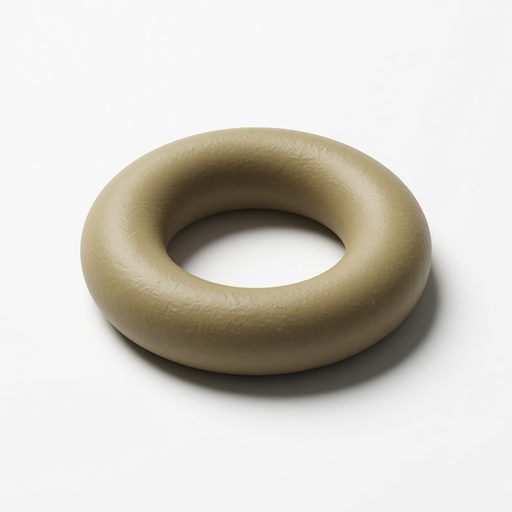
The wax ring under your toilet creates a seal between the toilet base and the drain pipe (closet flange). When this ring deteriorates, cracks, or the toilet shifts, sewer gas leaks past the seal and enters the bathroom. Wax rings typically last 15-30 years but can fail sooner if the toilet rocks or was improperly installed.
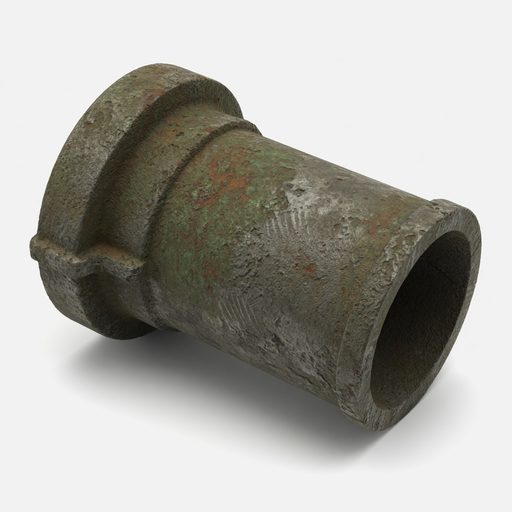
Vent pipes run from your drain system through the roof, allowing sewer gas to exit safely and maintaining proper air pressure for drainage. If a vent is blocked (by bird nests, leaves, ice, or debris) or cracked, sewer gas can be pushed back into the house through drain traps. A blocked vent also causes slow drains and gurgling sounds.
Loose, cracked, or corroded drain pipe connections under sinks, in wall cavities, or in the basement can allow sewer gas to escape into living spaces. This is more common in older homes with cast iron drain pipes that corrode over time, or in any home where recent plumbing work may not have been properly sealed.
A cracked, broken, or root-infiltrated main sewer line can allow gas to seep back into the house through the drain system. This is more serious but less common than the other causes. Tree roots are the most frequent cause of sewer line damage.
How to Fix It
Fill All P-Traps
$0Do this first — it takes 5 minutes and fixes the most common cause.
- 1Walk through the entire house and run water in every drain for 30 seconds: all sinks, tubs, showers, and floor drains.
- 2Flush every toilet (this refills the bowl trap).
- 3For floor drains you rarely use, add a tablespoon of mineral oil after running the water. It sits on top of the water and slows evaporation, keeping the trap sealed longer.
- 4Set a monthly reminder to run water in unused drains. Even 10 seconds of water every month keeps traps full.
- 5If the smell clears within an hour, you're done. If it persists, move to the next fix.
Replace the Toilet Wax Ring
$5-15 DIY / $150-250 professionalIf the smell is near a toilet that rocks or shows base staining.
- 1Turn off the toilet's water supply valve and flush to empty the tank and bowl.
- 2Disconnect the water supply line and remove the two bolts at the base of the toilet.
- 3Lift the toilet straight up and set it aside on towels or cardboard.
- 4Scrape off the old wax ring from both the toilet base and the closet flange. Install a new wax ring ($5-15 — get the extra-thick version for a better seal).
- 5Set the toilet back on the bolts, press down firmly and evenly to compress the wax ring, and tighten the bolts alternately until snug. Don't overtighten — you can crack the porcelain.
- 6Reconnect water, fill, and flush twice to verify the seal.
Clear the Vent Pipe
$0-50 DIY / $150-350 professionalIf drains are slow throughout the house and you hear gurgling.
- 1Safely access the roof and locate the vent pipe openings (usually 2-4 inch PVC or cast iron pipes).
- 2Look into the pipe with a flashlight. Remove any visible debris, bird nests, or leaves.
- 3Run a garden hose down the vent pipe to flush any blockage. If water backs up and doesn't drain, there's a clog deeper in the line.
- 4For deeper clogs, a plumber's snake or professional vent cleaning ($150-350) is needed.
- 5In cold climates, vent pipes can ice over in winter. Insulating the pipe in the attic with foam can prevent this.
Fix Drain Pipe Connections
$10-100 DIY / $200-500 professionalIf the smell is from a specific area and P-traps are all full.
- 1Check under all sinks for loose slip-joint connections. Tighten by hand — these shouldn't need excessive force.
- 2Check for missing or loose cleanout caps on drain lines (especially in basements). Replace missing caps ($3-5 each).
- 3For cast iron drain pipes with visible corrosion or holes, a rubber repair coupling ($10-20) provides a temporary fix. Replacement of corroded sections is the permanent solution.
- 4Any PVC drain connection that shows gaps can be resealed with PVC cement after disassembly and cleaning.
When to Call a Professional
Sewage is backing up into drains or the basement — this indicates a main sewer line blockage or failure. Call a plumber immediately.
Multiple drains are slow and the smell is persistent — this pattern suggests a main vent or sewer line issue, not just a dried P-trap.
You smell sewer gas and also natural gas leak — sewer gas and natural gas leak can smell similar. If there's any doubt, treat it as a potential gas leak: leave the house and call the gas company.
The smell causes headaches or nausea — high concentrations of hydrogen sulfide can cause these symptoms. Ventilate the house and identify the source promptly.
Wet spots appear in the yard along the sewer line route — this suggests a broken sewer line. A camera inspection ($200-400) can locate the break.
How to Prevent It
Run water monthly in all unused drains — 10-15 seconds per drain prevents P-traps from drying out.
Add mineral oil to rarely-used floor drains — sits on top of water and slows evaporation dramatically.
Don't ignore a rocking toilet — any movement means the wax seal is compromised or about to fail.
Have vent pipes checked during roof work — roofers can verify vents are clear while already on the roof.
Schedule a sewer camera inspection every 5-10 years — especially if you have mature trees near the sewer line ($200-400, identifies root intrusion and line damage before it causes problems).
Is Sewer Gas Dangerous?
Sewer gas is a mixture of compounds including hydrogen sulfide, ammonia, methane, and carbon dioxide. At the low concentrations typically found from a dried P-trap, it's unpleasant but not dangerous. The human nose detects hydrogen sulfide at concentrations as low as 0.5 parts per billion — far below hazardous levels.
However, high concentrations of sewer gas can be harmful. hydrogen sulfide above 100 ppm causes eye irritation, headaches, and nausea. Above 500 ppm (very rare in residential settings), it can be life-threatening. Methane in sewer gas is flammable, though residential concentrations almost never reach explosive levels.
The main risk from sewer gas in homes is the quality-of-life impact and the potential to mask other smells (like natural gas leak leaks). If you smell sewer gas and feel unwell, ventilate the area and fix the source. Don't simply adapt to the smell.
Frequently Asked Questions
Intermittent sewer smell usually indicates either a P-trap that dries out between uses (run water in all drains monthly) or a vent pipe issue affected by wind and air pressure changes. On windy days, air pressure differentials can push sewer gas past marginal seals. Temperature changes between day and night can also affect vent airflow patterns.
Yes, through two pathways: a failed wax ring allows gas to escape at the base of the toilet, or a blocked vent pipe prevents proper venting and pushes gas back through the water seal. If your toilet bubbles or gurgles when a nearby sink drains, the vent is likely blocked. If you smell sewage near the toilet base, the wax ring may need replacement.
A diagnostic visit costs $75-150 in most areas. If the fix is straightforward (like replacing a wax ring or clearing a P-trap), total cost is typically $150-300. For vent pipe clearing: $150-350. Main sewer line camera inspection: $200-400. Sewer line repair: $1,000-5,000+ depending on the extent.
Rain can overload municipal sewer systems, causing increased gas pressure that pushes through any weak points in your home's plumbing. Rain can also change groundwater levels around your sewer line, affecting cracked or damaged pipe sections. Additionally, pressure changes before and during storms affect air flow through vent pipes.