Most Likely Causes (Ranked)
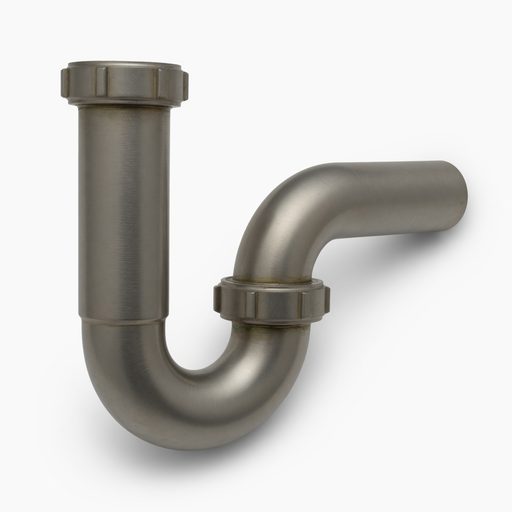
Every drain has a P-trap — the U-shaped pipe that holds water to block sewer gas. In guest bathrooms or rarely-used fixtures, this water evaporates in 2-4 weeks, creating a direct path for sewer gas into the bathroom. Floor drains, secondary sinks, and tub drains in guest baths are the most common culprits.
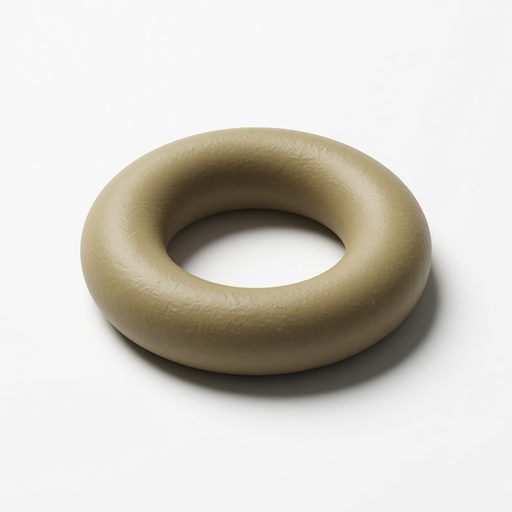
The wax ring creates an airtight seal between the toilet and the drain pipe. Over time (15-30 years) it can compress, crack, or shift — especially if the toilet rocks or was reinstalled without a new ring. sewer gas escapes at the base of the toilet, often noticed most when sitting near it.
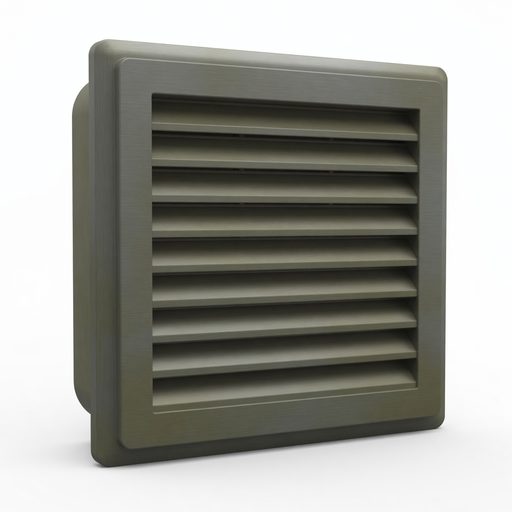
Vent pipes exhaust sewer gas through the roof and maintain air pressure in the drain system. When blocked (bird nests, debris, ice), negative pressure builds up and can pull water out of P-traps or push sewer gas past marginal seals. A blocked vent affects all fixtures on that vent branch.
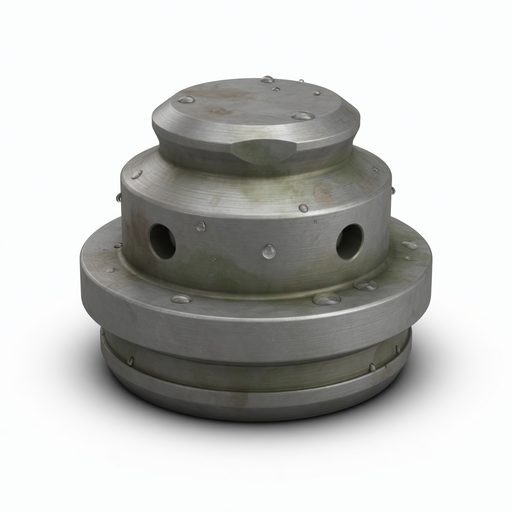
Drain pipes under the sink, inside walls, or in the floor can develop cracks, loose joints, or corroded spots that leak sewer gas. PVC pipes can crack from stress or impact. Cast iron pipes (common in homes pre-1980) corrode over time.
Hair, soap scum, toothpaste, and skin cells accumulate inside drain pipes, forming a bacterial biofilm. As this biofilm decomposes, it produces hydrogen sulfide and other smelly gases. This is different from sewer gas — it's generated within the drain pipe itself rather than coming from the sewer system.
How to Fix It
Fill All P-Traps
$0Takes 2 minutes. Fixes the most common cause.
- 1Run water in every drain in the bathroom for 30 seconds: sink, tub, shower, and floor drain.
- 2Flush the toilet to refill its built-in trap.
- 3For drains you rarely use, add a tablespoon of mineral oil — it floats on the water and slows evaporation.
- 4Set a monthly reminder to run water in unused drains.
- 5If the smell clears within an hour, you're done.
Replace the Toilet Wax Ring
$5-15 DIY / $150-250 proIf the smell is at the toilet base and the toilet rocks.
- 1Turn off the water supply and flush to empty the tank and bowl.
- 2Remove the supply line and the two base bolts.
- 3Lift the toilet straight up. Scrape off the old wax ring from toilet and flange.
- 4Install a new extra-thick wax ring ($5-15). Press the toilet down firmly and evenly.
- 5Tighten bolts alternately until snug (don't crack the porcelain). Reconnect water.
- 6Consider upgrading to a wax-free toilet seal ($15-25) — these are reusable if you ever need to remove the toilet again.
Clean the Drain Biofilm
$0-15If the smell comes directly from a drain opening.
- 1Remove the drain cover/stopper. Pull out any visible hair and gunk with a Zip-It tool ($3-5) or bent wire.
- 2Pour 1/2 cup baking soda into the drain, followed by 1/2 cup white vinegar. Let it fizz for 15 minutes.
- 3Flush with a full kettle of boiling water.
- 4For persistent biofilm, use a enzymatic drain cleaner like Bio-Clean or Green Gobbler ($15-20). These use bacteria to digest organic buildup without damaging pipes.
- 5Avoid chemical drain cleaners (Drano, Liquid-Plumr) for odor — they don't address biofilm effectively and can damage pipes with repeated use.
Check and Clear the Vent Pipe
$0-50 DIY / $150-350 proIf multiple drains gurgle and the smell is intermittent.
- 1Safely access the roof and check vent pipe openings for debris, nests, or blockage.
- 2Run a garden hose down the vent pipe. If water backs up, there's a clog that needs a plumber's snake.
- 3In cold climates, ice can block vents in winter — insulating the vent pipe in the attic prevents this.
- 4If you're not comfortable on the roof, a plumber can clear vents for $150-350.
When to Call a Professional
Sewage backs up into the tub or shower — indicates a main drain or sewer line blockage. Call a plumber immediately.
The smell is accompanied by water damage around the toilet base — a failed wax ring can leak sewage water, damaging the subfloor. Fix promptly to prevent structural damage.
Multiple bathrooms smell simultaneously — suggests a main vent or sewer line issue rather than individual fixture problems.
The smell persists after filling P-traps and cleaning drains — a cracked drain pipe inside the wall or floor may need professional camera inspection ($200-400).
You notice sewage smell AND sewer flies (small moth-like flies) — drain flies breed in biofilm. Their presence confirms organic buildup in the drain that needs thorough cleaning.
How to Prevent It
Run water monthly in unused fixtures — 10 seconds per drain keeps P-traps full.
Use drain screens — hair catchers ($5-10) prevent the hair and debris that create biofilm.
Don't ignore a rocking toilet — any movement means the seal is compromised or about to fail.
Clean drains quarterly — baking soda + vinegar + boiling water takes 5 minutes and prevents biofilm buildup.
Keep bathroom ventilation running — good airflow prevents the humid conditions that accelerate biofilm growth.
Sewer Flies: The Telltale Sign
If you see tiny moth-like flies (about 1/8 inch, fuzzy wings, often near drains), you have drain flies — also called sewer flies or moth flies. They breed in the organic biofilm inside drain pipes and are a sure sign that your drain needs cleaning.
Drain flies are harmless but annoying, and they confirm the source of the sewer smell. Killing the adult flies with spray won't solve the problem — you need to eliminate the biofilm they're breeding in. Clean the drain thoroughly with an enzymatic cleaner or the baking soda/vinegar method, and the flies will disappear along with the smell.
If drain flies are coming from a floor drain, make sure the P-trap has water in it. A dry P-trap gives flies a direct path from the sewer system into your bathroom.
Frequently Asked Questions
Temperature and humidity changes at night can affect air pressure in vent pipes, pushing sewer gas past marginal seals. Also, wind patterns change — calm nighttime air doesn't vent sewer gas as effectively from the roof vent. If the smell is consistently worse at night, a partially blocked vent pipe is a likely cause.
Yes, commonly. Shower drains collect hair, soap scum, and skin cells that form biofilm. If the shower isn't used daily, the P-trap can also partially dry out. Clean the drain with an enzymatic cleaner and make sure the trap stays full with regular use or periodic water runs.
A diagnostic visit costs $75-150 in most areas. Simple fixes (wax ring, P-trap) bring the total to $150-300. Vent clearing: $150-350. Camera inspection of drain lines: $200-400. Most bathroom sewer smells are resolved for under $250.
At typical residential concentrations from a dried P-trap, sewer gas is unpleasant but not dangerous. However, high concentrations of hydrogen sulfide can cause headaches and nausea. If the smell is strong enough to cause symptoms, ventilate the room and fix the source promptly. The bigger concern is chronic exposure — fix it rather than adapting to it.