
Common Causes (Ranked by Likelihood)
Human sweat contains proteins, fatty acids, and bacteria that absorb into fabric with every use. Over months and years, this builds up in the surface fibers and migrates into the foam cushions. The bacteria decompose these compounds, producing a musty-sour, slightly sweet smell characteristic of heavily used furniture. Armrests and headrests — where skin contact is most concentrated — are usually the worst areas.
Pet urine soaks through fabric immediately and is absorbed by the foam cushion beneath. The foam holds urine like a sponge — far more than visible staining suggests. Dried urine forms urea crystals in the foam that reactivate when humid, producing repeated ammonia-fishy odor even after the surface has been cleaned and dried. Surface cleaning never reaches the foam interior.
Spilled milk, coffee, juice, and food debris that wasn't immediately and thoroughly extracted ferments inside the fabric and foam, producing sour, sweet-rotten, or fermented smells. Protein-rich spills (milk, food) are particularly potent. Spills that seem minor on the surface can saturate the foam cushion underneath.
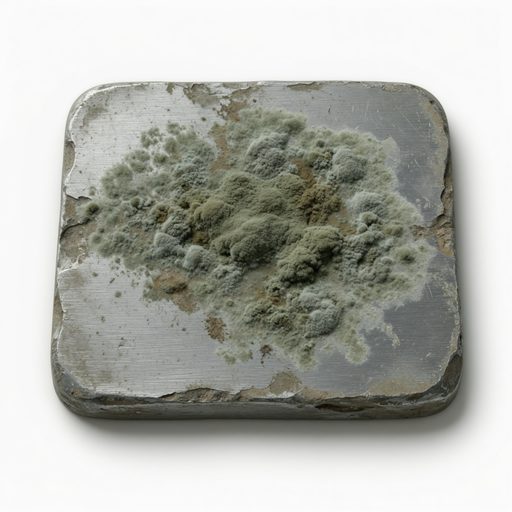
Couch cushion foam that has been saturated — by a spill, pet accident, or high indoor humidity — and not dried within 24-48 hours develops mold inside the foam. The foam is dark, warm, and organic (polyurethane foam supports mold growth). Mold inside foam produces a musty-earthy smell that is impossible to eliminate by surface cleaning because the mold colony is inside the cushion core.
Polyurethane foam degrades over time, off-gassing as it breaks down. Old foam (10+ years) can produce a musty, slightly chemical smell even without any specific incident. Fabric also accumulates permanent odors from years of use that can't be fully removed. If the couch is very old and the smell is general and persistent, replacement may be more practical than cleaning.
Upholstered furniture is extremely effective at absorbing airborne smoke (cigarette, fire, cooking) and other environmental odors. Smoke bonds to fabric at the molecular level. A couch from a smoking household or one that was near a fire may have deeply embedded smoke odor that resists cleaning.
How to Fix It
Baking Soda Deep Treatment
$3Best first step for sweat, mild odors, and general freshening.
- 1Remove cushion covers if washable and launder per care label.
- 2Sprinkle baking soda generously over all fabric surfaces — cushions, back, armrests. Work into the fabric with a soft brush.
- 3Let sit 4-24 hours minimum (longer = better). Cover with a sheet to keep pets off.
- 4Vacuum thoroughly with an upholstery attachment. Use a HEPA vacuum to capture fine particles.
- 5Repeat monthly for ongoing odor management.
Enzymatic Treatment for Pet Urine
$15-40The only effective approach for urine in foam.
- 1Identify the affected area — use UV blacklight in darkness. Urine glows yellow-green.
- 2Saturate the area thoroughly with enzymatic cleaner (Nature's Miracle, Rocco & Roxie). You need enough to reach the foam — use 3-4x more than you think necessary.
- 3If possible, remove the cushion cover and apply enzymatic cleaner directly to the foam.
- 4Cover with plastic wrap and let sit 24-48 hours — enzymes need time to break down urea crystals in the foam.
- 5Allow to air dry completely — this may take 2-3 days for foam. A fan directed at the cushion significantly speeds drying.
Steam Clean or Professional Upholstery Cleaning
$50-200For general odor, spills, and body oil buildup — check care code first.
- 1Check the care tag on your couch. W = water-based cleaning OK. S = solvent/dry cleaning only. WS = both. X = vacuum only.
- 2For W or WS: rent a handheld steam cleaner or upholstery attachment and work in sections, moving slowly.
- 3For S fabric: use a dry cleaning solvent spray designed for upholstery — do not use water.
- 4Professional upholstery cleaning ($150-300) reaches deeper into cushions than home methods.
- 5Ensure complete drying within 24 hours — open windows, use fans. Damp foam develops mold.
Replace Cushion Foam
$50-200 per cushionFor foam with embedded mold or heavily saturated pet urine.
- 1Remove cushion covers (most zip off or have velcro). Inspect the foam directly.
- 2If foam is discolored, crumbling, or has visible mold: replacement is more effective than cleaning.
- 3Order replacement foam cut to size from a foam supplier (online options: The Foam Factory, Foam N More) — specify density and firmness.
- 4New foam with clean, washed covers eliminates all foam-based odors completely.
- 5This is significantly cheaper than replacing the whole couch and extends furniture life.
When to Call a Professional
Mold smell with visible mold on fabric or frame — if mold is extensive, professional remediation or replacement may be needed; disturbing large mold colonies disperses spores.
Smell persists after multiple enzymatic treatments — foam may be too saturated; cushion foam replacement is the remaining option.
Couch in a basement or damp room with persistent musty smell — address room humidity first; the couch will re-absorb moisture indefinitely in a humid room.
How to Prevent It
Use couch covers or throws on heavily used seats — washable and create a barrier against sweat and pet contact.
Address pet accidents immediately — blot dry, then apply enzymatic cleaner before the urine reaches the foam.
Apply fabric protector (like Scotchgard) to upholstery — creates a barrier against liquid penetration.
Vacuum the couch weekly with an upholstery attachment — removes surface organic material before it works deeper.
Rotate cushions to distribute wear and sweat absorption evenly.
Why Febreze Doesn't Fix a Smelly Couch
Fabric deodorizers and air fresheners mask odors at the surface level while the actual source — urine crystals, mold, or decomposing food — continues in the foam beneath. This is why a Febreeze-treated couch smells fine briefly, then the odor returns as soon as the fragrance dissipates. The molecules causing the smell aren't removed — they're temporarily covered.
Permanent odor removal requires either physically extracting the odor source (enzymatic breakdown of urine crystals, extraction of spill residue) or removing the foam itself. For sweat and general body odor, baking soda works by chemically binding to the odor molecules and then being vacuumed away — which is why it's more effective than sprays. For urine and spills, enzymes are the only approach that addresses the chemical compounds rather than covering them.
Frequently Asked Questions
New furniture off-gasses VOCs from foam, fabric treatments, and adhesives. The smell should dissipate within 1-4 weeks with good ventilation. Speed it up by opening windows, running fans, and placing a bowl of activated charcoal or baking soda nearby. If the smell is very strong or causes irritation, contact the retailer — this occasionally indicates a defective product.
Three steps: (1) Vacuum thoroughly to remove hair and dander. (2) Sprinkle baking soda, leave 4+ hours, vacuum again. (3) For any urine accidents, apply enzymatic cleaner saturating through to the foam. For general dog smell without accidents, a washable couch cover dramatically reduces ongoing odor absorption.
Check the care tag. W or WS codes mean water-safe cleaning. Many removable covers can be machine washed on delicate/cold — check the label. If the tag says S or X, don't machine wash — use dry cleaning solvent or vacuum only respectively. Washing S-coded fabric can cause shrinkage, water staining, or texture damage.
Most couch smells are unpleasant but not dangerous. Exception: mold — visible mold on a couch in a poorly ventilated space can contribute to airborne mold spore counts, which aggravate allergies and asthma. New furniture off-gassing VOCs at low levels is typically not a health risk for most people, though those with chemical sensitivities may find it irritating.