Common Causes (Ranked by Likelihood)
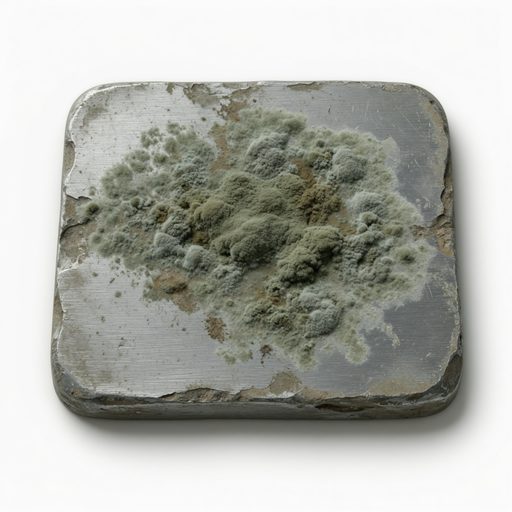
The rubber door gasket has deep folds that trap water, lint, hair, and soap residue after every cycle. The door is typically kept closed, trapping moisture inside. This creates warm, dark, perpetually moist conditions ideal for black mold and mildew. The smell transfers to clothes washed in the machine. Mold in the gasket is the single most common complaint about front-load washers.

Excess detergent — particularly non-HE detergent in HE machines — doesn't fully rinse out during cycles. Residue builds up in the dispenser drawer, drum, and drain pump over time. As this residue decomposes, it produces sour or musty smells that infuse washed laundry. Fabric softener is particularly prone to rancid buildup due to its waxy, oily nature.
Water retained in the drum lip, pump filter, or drain hose between cycles supports bacterial and mold growth. Front-loaders hold a small amount of water in the drum for the door seal — if the door is always closed, this water never evaporates. The pump filter catches lint and debris — trapped water in this filter is a significant odor source most people never know to clean.
Modern HE washers use very little water. Non-HE detergent produces far more suds than HE machines can handle, leaving detergent residue throughout the machine with every wash. Even with HE detergent, using too much creates similar buildup. This residue feeds bacteria and mold, eventually smelling like sour milk or rancid food.
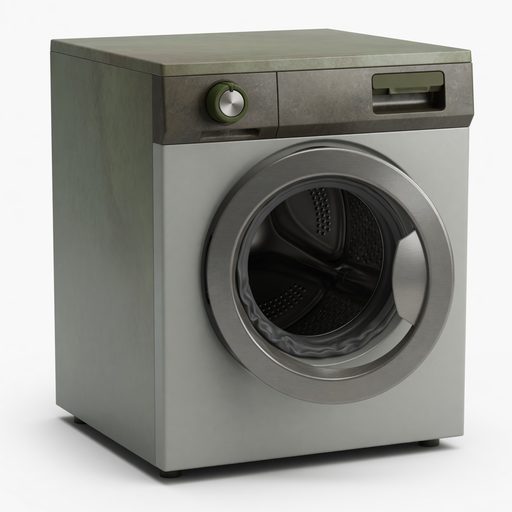
Cold water washing doesn't kill bacteria and mold that colonize washing machines. Without occasional high-temperature cycles, microbial populations grow unchecked. A periodic 60°C+ (140°F+) cycle is needed to periodically decontaminate the machine interior.
How to Fix It
Clean the Door Gasket
$0-10Essential for front-loaders — the primary smell source.
- 1Mix 1 tablespoon bleach in 1 quart of warm water.
- 2Pull back the gasket folds and scrub every surface with a cloth or toothbrush soaked in bleach solution — reach into the deepest folds where mold concentrates.
- 3Remove any trapped debris, lint, or hair from the gasket folds.
- 4Wipe clean with a damp cloth, then dry with a clean towel.
- 5After cleaning, leave the door slightly open after every use to allow the gasket to dry.
Run a Cleaning Cycle
$5-15Cleans the drum interior and internal components.
- 1Use a washing machine cleaner tablet (Affresh, Tide Washing Machine Cleaner, or OxiClean) — place directly in the drum. Run on the hottest cycle available.
- 2Alternatively: add 2 cups of white vinegar to the detergent dispenser and run a hot cycle, then a second cycle with 1/2 cup baking soda directly in the drum.
- 3Do not combine vinegar and bleach in the same cycle.
- 4For severe odor, use a commercial cleaner first then follow with the vinegar cycle.
- 5Run cleaning cycles monthly; use the machine's built-in 'Clean Washer' cycle if available.
Clean the Dispenser Drawer
$0For sour or sweet-rotten smells from detergent residue.
- 1Remove the dispenser drawer completely (most pull straight out; some require pressing a tab).
- 2Soak in hot water with a small amount of bleach for 15 minutes.
- 3Scrub all compartments with a toothbrush — pay particular attention to the fabric softener compartment.
- 4Wipe out the dispenser cavity in the machine with a damp cloth — mold grows on the cavity walls too.
- 5Dry the drawer before replacing. Rinse the dispenser drawer monthly going forward.
Clean the Pump Filter
$0Often-missed source of standing water and odor.
- 1Locate the pump filter access panel — usually a small door at the front-bottom of the machine. Place a towel and shallow pan underneath.
- 2Turn the filter cap slowly counterclockwise — water will drain out. Empty into the pan as needed.
- 3Pull out the filter completely and rinse under running water, removing lint and debris.
- 4Clean the filter cavity with a cloth before reinserting.
- 5Check and clean the pump filter every 3-6 months.
When to Call a Professional
Sulfurous or rotten egg smell from the washer — may indicate plumbing issue with drain connection; check P-trap or consult a plumber.
Persistent mold smell after thorough cleaning — mold may have penetrated into the door or drum itself; consider professional cleaning or gasket replacement.
Machine vibrating excessively or smelling burnt — drum bearing or motor issue; call appliance repair.
Black mold spreading beyond the gasket — significant mold exposure; if respiratory symptoms are present, professional mold remediation may be needed.
How to Prevent It
Leave the door open after every use — the single most effective prevention; allows drum, gasket, and interior to dry completely.
Use HE detergent at the correct dose — half the recommended amount is often sufficient with modern machines.
Run a hot cleaning cycle monthly with Affresh or similar product.
Wipe the gasket dry after each load — 30 seconds prevents months of mold.
Clean the dispenser drawer monthly — rinse under hot water after removing.
Remove laundry promptly — wet clothes sitting in a closed machine are a major mold trigger.
Why Front-Loaders Smell More Than Top-Loaders
Front-loading washing machines are more water and energy efficient, but they have a fundamental odor vulnerability: the door seals horizontally against a rubber gasket, and most homes keep it closed. Top-loaders have a vertical lid that doesn't seal against rubber — any residual water evaporates readily when left up. Front-loaders seal completely when closed, trapping moisture in the gasket folds.
Consumer complaints about front-loader odors became so widespread in the 2000s that several class action lawsuits were filed against manufacturers including Whirlpool and related brands. The issue isn't a manufacturing defect — it's a predictable consequence of the design combined with consumer habits. The solution — leave the door ajar and clean monthly — works reliably but requires changing habits most people have with appliances.
Frequently Asked Questions
Mildew smell is almost always from mold colonizing the rubber door gasket (front-loaders) or drum. Fix: clean the gasket with bleach solution, run a hot cleaning cycle, and leave the door open after every use going forward.
Clothes picking up mold or bacteria from inside the machine — most commonly from the gasket. The fix is to clean the machine first, then clothes will come out smelling normal. Running clothes through a second wash with a cup of white vinegar neutralizes any transferred mold smell already on them.
Once a month for a cleaning cycle with a washing machine tablet. The door gasket should be wiped down weekly or at least monthly. The pump filter needs cleaning every 3-6 months. Increase frequency if you wash heavily soiled items or use fabric softener regularly.
White vinegar is safe for occasional use and effective at dissolving mineral deposits and deodorizing. However, using vinegar every wash cycle is not recommended — the acidity can degrade rubber seals over time. Occasional monthly use for cleaning is well-tolerated by all machine types.