Does this match what you’re noticing?
“Smell is strongest in the underarm and collar, and comes back as soon as the shirt warms up on your body”
Most Likely Causes (Ranked)
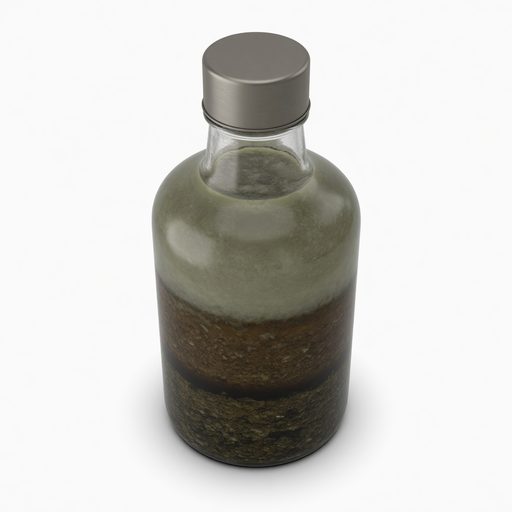
Fresh sweat has almost no smell. Apocrine glands in the armpit release odorless precursor molecules, and skin bacteria such as Staphylococcus hominis take those precursors in and release the pungent thioalcohol 3M3SH that people recognize as BO. Sweat, dead skin cells and body oils form what laundry experts call body soil; when a shirt is re-worn or left in a hamper, bacteria multiply in it and the soil sets into the fabric. Tide notes that this buildup happens over many wears and can leave clothes smelling sweaty even after washing. Consumer Reports' point is that a soak is needed because detergent needs time to separate body oils from the fabric; a short wash cycle often cannot.
A 2024 University of Alberta and University of Otago study exposed cotton, viscose, polyester, nylon and wool to a simulated liquid sweat. Cotton and viscose absorbed and released the least odor; polyester absorbed the most because the fiber is oil-loving and takes up odorants and oily compounds that do not dissolve in water, while refusing the water portion of sweat. Nylon and wool absorbed odorants at first but released them within 24 hours; polyester did not clear the same way. A separate 2014 Ghent University study had 26 people do an hour of spinning, then incubated their shirts for 28 hours: polyester shirts smelled worse than cotton, and the bacterium Micrococcus grew better on polyester. Lead researcher Rachel McQueen's summary: if you are worried about smelly clothes, keep away from polyester.
Odor removal needs water, detergent and movement to reach the inside of the garment. Tide tells you to turn clothes inside out because the sweat and grime accumulate on the inside, and to load loosely enough to fit your palm between the clothes and the drum. Persil warns that overfilling prevents clothes from being rinsed properly. The Spruce's laundry expert Mary Marlowe Leverette recommends a heavy-duty detergent with enough enzymes to break down oily body soil, naming Tide and Persil as top-ranked. Consumer Reports found a sport detergent worked best only after a 2-hour soak, and that any detergent containing Oxi (sodium percarbonate) should help. Sources split on water temperature: Tide says warm if the label allows, Arm & Hammer says most workout clothes need cold on a delicate cycle, and Leverette notes a hot sanitary cycle kills odor bacteria but can damage spandex.
Persil says some fabric softeners trap oils and smells in the fibers, and that deodorant buildup in the underarms traps odor as well. Arm & Hammer adds that too much detergent leaves residue that can breed bacteria and yeast in the garment. Clorox notes that regular chlorine bleach cannot be used on whites that contain even a small amount of spandex, which rules out the easy fix for many performance shirts. The result is a waxy or stiff underarm panel that detergent cannot penetrate on a normal cycle, so the odor sealed underneath keeps returning.
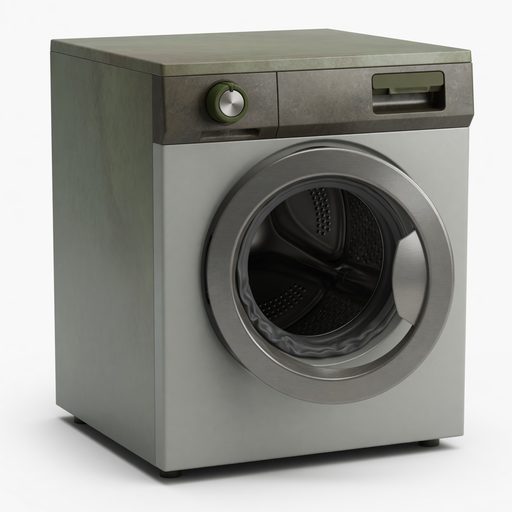
Whirlpool says detergent and softener residue builds up over time in the drum, door seal and dispensers, and the front-load gasket collects water, dirt and soap scum that becomes a breeding ground for mildew and bacteria. Washing only in cold water lets that residue accumulate. Samsung's troubleshooting guide adds a clogged drain pump filter, overuse of detergent, an unlevel washer that does not drain, and a drain hose pushed more than 6 inches into the standpipe as odor sources, and warns that leftover moisture in the drum can transfer odor to clothing. Persil notes that detergent buildup or mildew in the machine makes clothes smell musty.
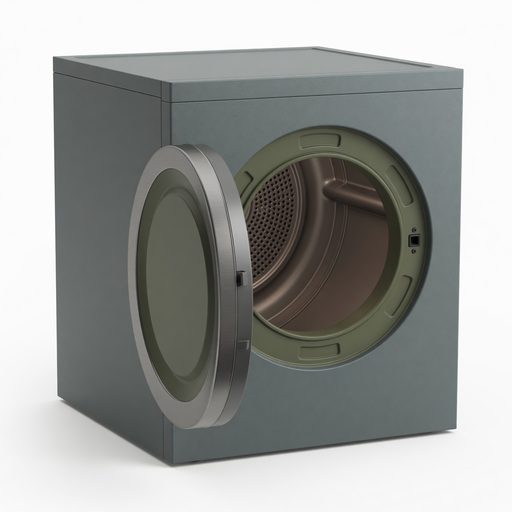
Persil warns that tumble-drying a garment that still smells may end up baking the smell in, and Arm & Hammer says the same about machine-drying clothes that are not yet odor-free. On the other end, leaving wet laundry in the drum turns it musty (Whirlpool) and can in extreme cases let mold grow on the fabric (Samsung). Crumpling damp gym clothes in a bag or hamper has the same effect. Neither problem starts the odor, but both lock it in and make the next wash harder.
How to Fix It
Strip-soak in oxygen (Oxi) or sport detergent
$8-20The method Consumer Reports and Arm & Hammer both land on for set-in 'permastink' in synthetics; oxygen bleach (sodium percarbonate) is color-safe, unlike chlorine bleach, which Clorox says cannot touch spandex.
- 1Fill a tub or bucket 1/2 to 3/4 full with the warmest water the care label allows (Arm & Hammer).
- 2Option A (Consumer Reports): add half a cap of a sport detergent such as WIN to about 2 gallons of warm water and soak 2 hours; CR says any detergent containing Oxi (sodium percarbonate) should also work.
- 3Option B (Arm & Hammer stripping recipe): add 1/4 cup borax, 1/4 cup washing soda and 1/2 cup Oxi powder detergent (or 2 tsp liquid Plus OxiClean with Odor Blasters), stir, submerge the clothes and soak 4 to 5 hours.
- 4Wring out, move to the washer with no extra detergent, and run a rinse cycle (or your machine's soak cycle followed by a normal wash).
- 5Air-dry flat or hanging, out of direct sun to avoid fading; tumble on low only if the label allows and the smell is completely gone.
Vinegar or baking-soda pre-soak, then rewash
$0The cheap pantry route; sources disagree on how well it works. Real Simple/The Spruce and Persil recommend it, while Tide positions its heavy-duty pods as more effective than vinegar or baking soda and Consumer Reports favors Oxi products instead.
- 1Vinegar: mix 1 part distilled white vinegar to 4 parts cold water in a sink or bucket and submerge the garment; The Spruce's Leverette recommends starting the soak right after the workout.
- 2Baking soda: dissolve about 2 cups in a tub of water and soak about 1 hour (Persil); as a quick preventive, Leverette suggests 1/2 cup baking soda in cool water for 1 hour right after wearing.
- 3Wring out and wash per the care label with an odor-fighting or enzyme detergent at the recommended dose, inside out, no fabric softener.
- 4Air-dry in a well-ventilated spot; if any smell remains, repeat the soak before it ever sees the dryer.
Fix the wash routine for sweaty loads
$0Most repeat offenders are routine problems: overloading, under-dosing, softener, and leaving clothes wet.
- 1Turn every sweaty garment inside out so detergent reaches the side that touched skin (Tide, Persil).
- 2Load loosely: Tide's rule is a palm's width between the clothes and the drum wall; Arm & Hammer says smaller loads let water and detergent mix.
- 3Use a heavy-duty enzyme or sport detergent (Leverette names Tide and Persil; Arm & Hammer Plus OxiClean with Odor Blasters is another) at exactly the dose on the package, never more.
- 4Pick temperature by label: warm if allowed (Tide); cold delicate for most spandex activewear (Arm & Hammer); a hot sanitary cycle kills odor bacteria but can ruin spandex (Leverette).
- 5Skip liquid fabric softener; Persil says it can trap oils and smells in the fibers. Use a dryer sheet for static if you need it (Tide).
- 6Pull the load the minute the cycle ends and air-dry until you are sure the smell is gone, then tumble on low if the label allows.
Clean the washer
$0Do this when the machine smells on its own or every load, not just gym gear, comes out musty.
- 1Run the manufacturer's cleaning cycle: Whirlpool says Clean Washer with an affresh tablet about once a month or every 30 cycles; Samsung says Self Clean about once a month or every 30 to 40 loads, with the tub empty.
- 2For visible mold or a strong mildew smell, Samsung's method: run Spin-only to drain, pour liquid chlorine bleach into the detergent compartment up to the max line (not the bleach compartment), start Self Clean immediately, then wipe residue and run Rinse+Spin. Whirlpool warns some front-loaders are not bleach-compatible, so check your manual.
- 3Pull the door gasket back and wipe it dry after each wash; occasionally scrub the folds with warm water and mild detergent, rinse and dry (Whirlpool).
- 4Remove and wash the detergent and softener dispensers in warm soapy water every 30 cycles or whenever you smell must (Whirlpool).
- 5On a front-loader, open the lower front panel and clean the drain pump filter; Samsung says a dirty filter causes odors.
- 6Afterward: use only HE detergent at the measured dose, run an occasional hot cycle if you normally wash cold, and leave the door and detergent drawer open between loads to dry (Whirlpool, Samsung).
When to Call a Professional
The empty washer still smells musty or you still see mold on the gasket after two or three cleaning cycles and a bleach Self Clean; Samsung says to contact service at that point.
The washer leaves standing water, will not drain fully, or the drain hose/standpipe setup smells like sewage; Samsung lists an unlevel machine and a drain hose pushed more than 6 inches into the standpipe as causes that need correcting.
You smell burning or an electrical odor from the washer that lasts beyond the first couple of cycles on a new machine (Samsung).
Every load from every fabric smells bad even after detergent dose, load size, softener and drying habits are fixed and the machine has been cleaned.
How to Prevent It
Wash sweaty gear promptly or air-dry it in a spot with good airflow before it goes in the hamper; never ball it up damp in a gym bag (Tide, Arm & Hammer).
Do not re-wear sweaty shirts; re-wearing lets body soil set and bacteria multiply (Leverette/The Spruce).
Turn garments inside out, load loosely, dose detergent exactly, and skip liquid fabric softener (Tide, Persil, Arm & Hammer).
For everyday wear, choose cotton, viscose, wool or nylon over polyester; the Alberta/Otago study found cellulosic fibers absorb and release the least odor and nylon and wool shed odorants within 24 hours, while polyester does not (and McQueen cautions that 'anti-odor' antimicrobial finishes may not work as well as claimed).
Keep the washer dry and clean: leave the door and drawer open between loads, wipe the gasket, and run the cleaning cycle monthly or every 30 to 40 loads (Whirlpool, Samsung).
Frequently Asked Questions
Almost always the shirt's fiber. Polyester is oil-loving and absorbs the odor compounds in sweat that will not dissolve in water, and odor-causing Micrococcus bacteria grow better on polyester than on cotton. Cotton and viscose absorb the watery part of sweat and release odorants more readily, so the same body produces a fouler shirt in synthetics.
Sources disagree. The Spruce's laundry expert recommends a 1:4 vinegar-to-cold-water soak and Persil recommends about 2 cups of baking soda in a tub for an hour, both before a rewash. Tide says its heavy-duty pods are more effective than vinegar and baking soda, and Consumer Reports found a 2-hour soak in sport or Oxi (sodium percarbonate) detergent worked best. Try the pantry version first; if the smell survives, move to an oxygen-bleach strip-soak.
Follow the care label, because the advice conflicts. Tide says warm if the label allows; Arm & Hammer says most workout clothes need cold on a delicate cycle because hot water and heavy agitation damage some fibers; The Spruce's Leverette notes a hot sanitary cycle kills odor bacteria but can wreck spandex. For a pre-soak, use the warmest water the label permits.
Heat locks in odor that the wash did not remove. Persil says tumble-drying a garment that still smells can bake the smell in, and Arm & Hammer gives the same warning. Air-dry until there is no trace of odor, then use the dryer on low only if the label allows.
Suspect the washer when every load smells, not just gym clothes, or when the empty drum smells musty. Whirlpool points to detergent and softener residue, gasket mildew and a closed door between washes; Samsung adds a clogged pump filter, overuse of detergent and damp clothes left in the drum. Run the cleaning cycle (monthly or every 30 to 40 loads), clean the gasket, dispensers and filter, and leave the door open to dry.
Depends on the fiber. The Alberta/Otago researchers found nylon and wool release most absorbed odorants within 24 hours, so airing those out may be enough between wears. Polyester holds onto odorants and, in their words, still needs to be washed. Clorox also recommends washing activewear after each workout to limit odor buildup.
Sources
Every factual claim above comes from one of these. Updated November 2026.
- How to Remove Sweat Smells from Clothes — Tide (Procter & Gamble)
- Why do polyester clothes stink more than cotton? — Earth.com (reporting University of Alberta / University of Otago study, Textile Research Journal 2024)
- Textile scientists offer fresh insights on why some clothes get smellier — Phys.org (University of Alberta release)
- How to rid your workout clothes of permastink — Consumer Reports
- The Comprehensive Guide for Removing Sweat & Body Odor From Workout Clothes — Arm & Hammer (Church & Dwight)
- How to Get Body Odor and Sweat Smells Out of Clothes — Clorox
- Why Does My Front Load Washer Smell? — Whirlpool
- Structural basis of malodour precursor transport in the human axilla (Minhas et al., 2018) — eLife
- How to Get Smells Out of Clothes — Persil (Henkel)
- Polyester clothes smell worse than cotton following intensive exercise (Callewaert et al., Applied and Environmental Microbiology 2014) — ScienceDaily / Ghent University
- Samsung washing machine or laundry smells bad — Samsung Support
- How to Remove Body Odor From Workout Clothes (Real Simple, quoting Mary Marlowe Leverette of The Spruce) — Real Simple via Yahoo Life
Cite or link to this guide
Citation (APA)
Link (HTML)
Free to quote with a link back. Writers, teachers and landlords: the chart at Smells You Should Never Ignore is free to embed.
Related smells
Other guides in Laundry and smells that share a cause.