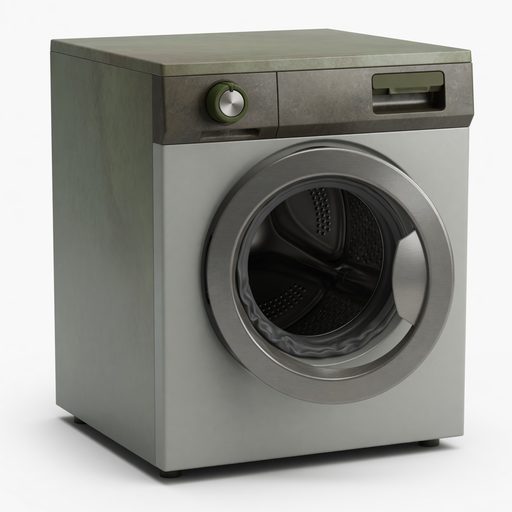
Common Causes (Ranked by Likelihood)
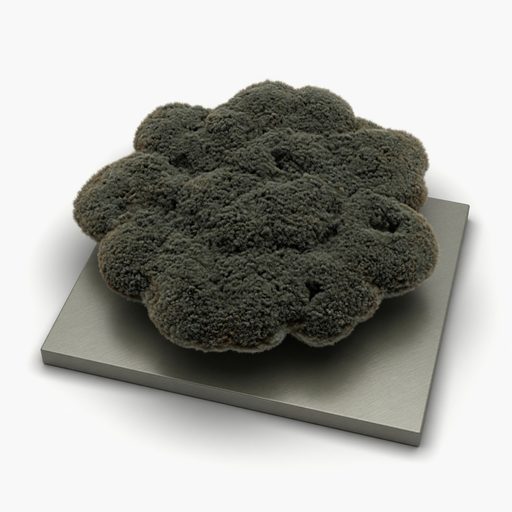
The rubber gasket around the door of front-loading machines has folds that trap water, lint, hair, and detergent residue after every cycle. This perpetually moist environment is a mold paradise. Black mold (often Cladosporium or Aspergillus) colonizes the gasket folds and produces musty, mildew odors that transfer to your clothes. This is the #1 cause of washing machine smell.
Using too much detergent or fabric softener creates residue that builds up inside the drum, on the agitator, and in the dispenser. Bacteria colonize this residue and form a biofilm — a slimy layer that's resistant to normal washing. This biofilm produces foul-smelling compounds and can appear as a grayish film on the drum interior or a slimy residue in the detergent compartment.
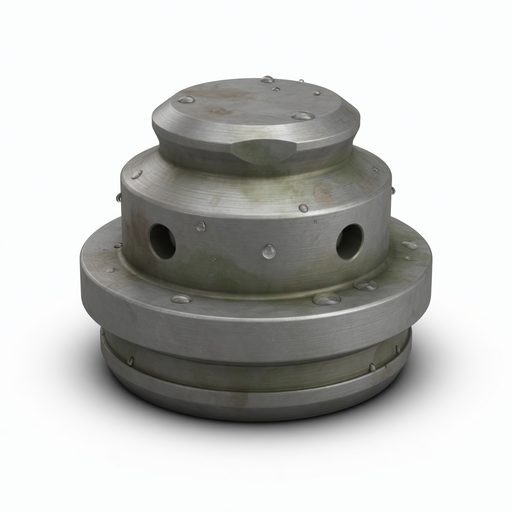
Most front-loading and many top-loading machines have a drain pump filter that catches coins, hair, lint, and small objects before they reach the pump. When this filter isn't cleaned (most owners don't even know it exists), trapped debris decomposes in standing water, producing a strong mildew or sewage-like smell. The stagnant water in the filter housing is essentially a petri dish.
If the drain hose is kinked, the standpipe is too low, or the machine isn't level, water can remain in the drum and hoses after cycles complete. Even a small amount of standing water becomes a bacteria breeding ground within 24-48 hours. This is more common with machines installed in basements or on uneven floors.
How to Fix It
Deep Clean Everything
$5-10Do this first — addresses all causes at once.
- 1Run an empty hot water cycle with 2 cups of white vinegar OR a washing machine cleaner tablet (Affresh, OxiClean). No clothes.
- 2While the cycle runs, pull back the door gasket folds and scrub with a toothbrush dipped in a 50/50 vinegar-water solution or diluted bleach. Wipe dry.
- 3Remove and clean the detergent dispenser — soak in hot soapy water, scrub all residue, and dry before reinstalling.
- 4Clean the drain pump filter: place towels under the access panel (bottom front), open it slowly (water will pour out), remove debris, clean the filter, and replace.
Change Your Habits (Prevent Recurrence)
$0These habits prevent mildew from ever coming back.
- 1Leave the door AND detergent dispenser open after every wash to let the interior dry.
- 2Use HE (high-efficiency) detergent and use LESS than you think — excess detergent feeds mold. Most loads need only 1-2 tablespoons.
- 3Run a hot water maintenance cycle monthly (empty, with vinegar or a cleaner tablet).
- 4Wipe the door gasket dry after every use — takes 10 seconds and prevents 90% of gasket mold.
Replace Gasket or Call Service (Severe Cases)
$100-300When cleaning can't remove deep-set mold.
- 1If the gasket has black mold embedded deep in the rubber that won't come out with scrubbing, replacement is the only option ($100-250 for gasket + labor).
- 2A professional deep clean ($100-200) involves disassembling and cleaning components you can't reach.
- 3If the drum has persistent odor after multiple cleaning cycles, a technician can inspect for mold behind the drum.
- 4For extremely severe cases, replacing the machine may be more cost-effective than extensive remediation.
When to Call a Professional
Clothes smell musty after washing — the machine is transferring mold/bacteria to your laundry. Deep clean needed.
Visible black mold on the gasket that won't come off — gasket may need replacement.
Family members with mold allergies or asthma — washing machine mold can trigger symptoms. Prioritize cleaning.
Machine drains very slowly or not at all — clogged drain filter or pump issue. Clean filter or call service.
How to Prevent It
Leave the door and dispenser drawer open after every wash — this is the single most important prevention step.
Wipe the gasket dry after each use — 10 seconds that prevents gasket mold entirely.
Use the right amount of HE detergent — excess feeds mold and bacteria.
Run a monthly hot cleaning cycle with vinegar or a machine cleaner.
Clean the drain filter quarterly — check your manual for location.
Why Front-Loaders Smell Worse Than Top-Loaders
Front-loading washing machines revolutionized laundry with better cleaning, less water usage, and gentler treatment of clothes. But their design creates a fundamental moisture management problem that top-loaders don't have. The airtight door seal (necessary to prevent water from leaking out the front) also prevents air from circulating after the cycle, trapping moisture inside.
Top-loaders, by contrast, have a top opening that allows warm, moist air to rise and escape naturally. Even with the lid closed, they have enough air exchange to dry the interior between uses. Front-loaders with their horizontal drum and rubber gasket create multiple water traps that can stay wet for days in a closed machine.
Samsung, LG, and other manufacturers have responded with features like self-cleaning cycles, antimicrobial gasket materials, and 'door ajar' latches that hold the door slightly open for ventilation. But the fundamental solution remains the same: leave the door open, wipe the gasket, and run periodic hot cleaning cycles. These simple habits prevent the problem entirely.
Frequently Asked Questions
Mold and bacteria grow in the rubber door gasket, detergent residue, and standing water. Front-loaders are especially prone because the airtight door traps moisture. Leave the door open after each use, wipe the gasket, and run monthly hot cleaning cycles.
Yes, but use it carefully. Run an empty hot cycle with 1/2 cup bleach (don't mix with vinegar — produces toxic chlorine gas). Bleach kills mold effectively but can damage rubber gaskets with repeated use. Alternate between bleach and vinegar cleaning cycles.
Your washing machine has mold or bacterial buildup that's transferring to clothes during the wash cycle. Deep clean the machine (gasket, dispenser, drain filter, and run a hot cleaning cycle), then rewash the affected clothes with vinegar or baking soda.
Monthly hot cleaning cycle (empty, with vinegar or cleaner tablet). Wipe the gasket dry after every use. Clean the drain filter quarterly. Clean the detergent dispenser monthly. With these habits, mildew smell never develops.