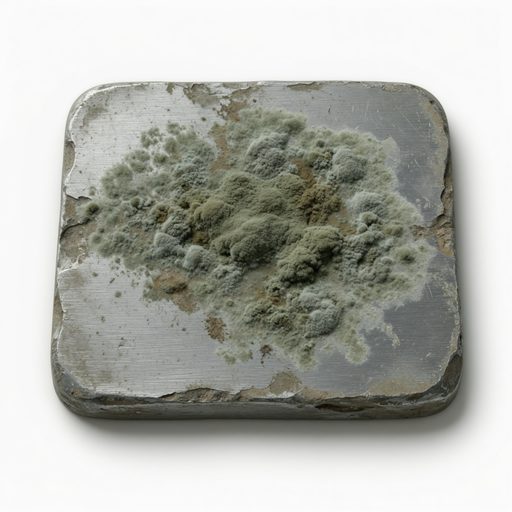
Most Likely Causes (Ranked)
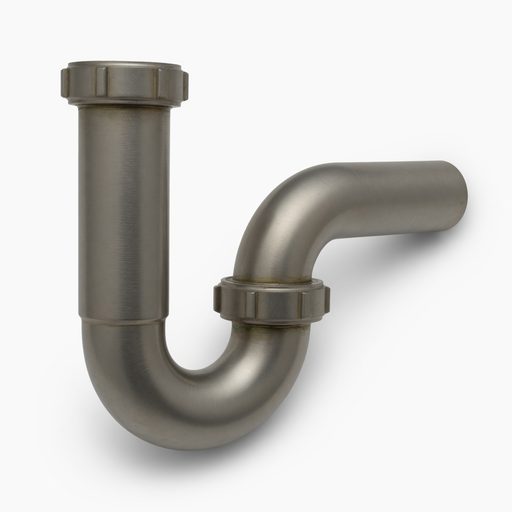
Bathrooms without exhaust fans or with inadequate ventilation trap steam from showers. Moisture settles on walls, ceilings, and grout, feeding mildew growth.
Below-grade spaces naturally accumulate moisture from the surrounding soil. Without proper waterproofing or dehumidification, mildew thrives on concrete, wood, and stored items.
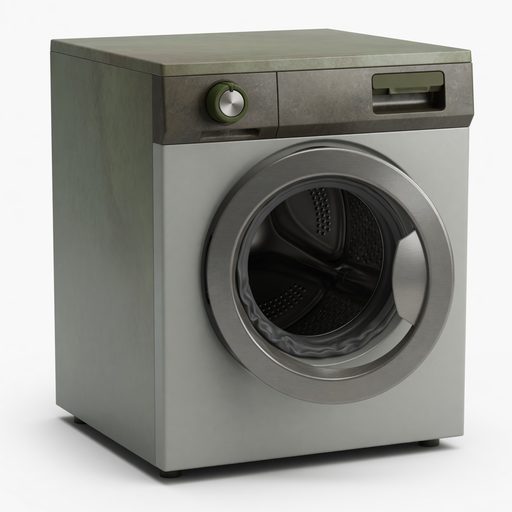
Clothes left in the washing machine or piled wet in a hamper develop mildew within 24-48 hours. The smell then transfers to the machine itself.
Spills, pet accidents, or flooding that soaked carpet padding create a hidden moisture reservoir under the carpet surface where mildew grows unseen.
Single-pane or poorly insulated windows collect condensation in cold weather. Water runs down into the sill and frame, creating chronic dampness where mildew grows.
How to Fix It
Clean Existing Mildew
$0-15Remove what's there before addressing the source.
- 1Mix 1 cup white vinegar with 1 cup water in a spray bottle. Spray affected surfaces and let sit 15 minutes.
- 2For stubborn mildew: use 1 part bleach to 10 parts water. Wear gloves and ensure ventilation.
- 3Scrub bathroom grout with a stiff brush and baking soda paste.
- 4For fabrics: wash on hottest setting with 1 cup white vinegar in the rinse cycle.
- 5Dry all cleaned surfaces thoroughly — mildew regrows immediately on damp surfaces.
Fix the Moisture Source
$0-500The critical step — mildew returns without this.
- 1Bathroom: install or upgrade exhaust fan (vent to outside, not attic). Run fan 20 minutes after every shower.
- 2Basement: run a dehumidifier to keep humidity below 50%. Seal any foundation cracks. Check gutters direct water away from foundation.
- 3Laundry: remove wet clothes immediately. Leave washer door open between loads. Run monthly cleaning cycle.
- 4Carpet: use wet/dry vacuum to extract moisture. Fans and dehumidifier to dry completely. If padding is wet, it usually must be replaced.
- 5Windows: add storm windows or upgrade to double-pane. Use a window moisture absorber ($5-10).
Ongoing Prevention
$5-30/monthKeep mildew from returning.
- 1Monitor humidity with a hygrometer ($10). Keep indoor humidity 30-50%.
- 2Use exhaust fans in bathrooms and kitchen whenever moisture is generated.
- 3Don't store items directly on basement floors — use shelving or pallets.
- 4Open closet doors periodically to allow air circulation.
- 5Consider mildew-resistant paint in bathrooms and basements ($30-50/gallon).
When to Call a Professional
Mildew covering more than 10 square feet — may indicate a serious moisture problem requiring professional assessment.
Mildew keeps returning despite cleaning — the moisture source hasn't been addressed. Consider hiring a moisture specialist.
Family members with persistent respiratory symptoms — mildew exposure can cause or worsen asthma and allergies.
Structural damage visible (soft wood, peeling paint, warped walls) — moisture has been present long enough to cause damage.
How to Prevent It
Control humidity — keep indoor levels 30-50%.
Ventilate moisture-producing areas — bathrooms, kitchen, laundry.
Fix leaks promptly — any water intrusion feeds mildew.
Allow air circulation — don't block vents or close off rooms completely.
Mildew vs. Mold: What's the Difference?
Mildew is a surface fungus that appears as flat, white or gray patches. It grows on surfaces and is relatively easy to clean with household cleaners. Mold penetrates deeper into materials, appears fuzzy or slimy, and comes in black, green, or other colors.
From a smell perspective, both produce musty odors. Mildew smell is usually milder and more "stale" while mold smell is heavier and earthier. Both indicate excess moisture that needs to be addressed.
Frequently Asked Questions
Mildew itself is less harmful than mold, but it can trigger allergies, asthma, and respiratory irritation. It also indicates a moisture problem that could lead to more serious mold growth.
Follow your nose — the smell is strongest near the source. Check bathrooms, basements, under sinks, around windows, and behind furniture against exterior walls.
A dehumidifier helps prevent new mildew growth by reducing moisture, but you still need to clean existing mildew and fix any water intrusion sources.
Yes. White vinegar kills about 82% of mildew species. Spray undiluted on surfaces, let sit 30 minutes, then wipe. For stubborn mildew, use diluted bleach.