Most Likely Causes (Ranked)
Cat urine contains high concentrations of urea that bacteria convert to ammonia as it decomposes. Old, dried urine is worse than fresh — the ammonia concentration increases over time.
Ammonia-based cleaners (Windex, some floor cleaners) leave residue that off-gasses, especially in poorly ventilated areas. Mixing bleach with ammonia cleaners creates toxic fumes.
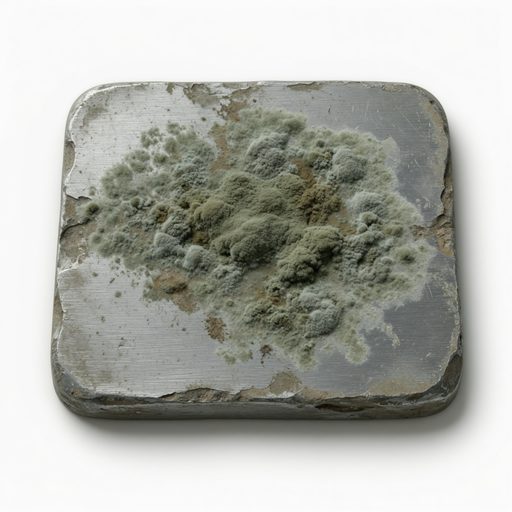
Some mold species produce ammonia-like compounds as they grow. This is less common than the musty/earthy smell typically associated with mold.
Decomposing animals produce various nitrogen compounds including ammonia. The smell evolves from sweet/rotting to more ammonia-like as decomposition progresses.
Older refrigerators and some commercial systems use ammonia-based refrigerants. A leak produces a sharp ammonia smell near the appliance.
How to Fix It
Find and Treat Pet Urine
$10-50The most common source.
- 1Use a UV blacklight in a dark room to locate urine spots.
- 2Apply enzymatic cleaner (Nature's Miracle) to each spot — enzymes break down urea and kill bacteria.
- 3For deep carpet contamination: soak the area, let enzymatic cleaner sit 15+ minutes, blot dry.
- 4Severely affected carpet may need replacement — urine soaks into pad and subfloor.
Ventilate and Clean
$0For cleaning product residue.
- 1Open windows and run fans.
- 2NEVER mix bleach with ammonia cleaners — produces toxic chloramine gas.
- 3Switch to ammonia-free cleaning products if the smell bothers you.
- 4Rinse surfaces with plain water to remove residual cleaner.
Investigate Hidden Sources
$0-300If pet urine and cleaners aren't the cause.
- 1Check for hidden moisture and mold — behind furniture, under sinks, in crawlspace.
- 2If you suspect a dead animal, follow your nose to the strongest concentration.
- 3For refrigerant concerns, call an HVAC technician to inspect the system.
When to Call a Professional
Ammonia smell with no identifiable source — investigate for hidden mold, pest issues, or gas leak.
Breathing difficulty or eye/throat irritation — strong ammonia concentrations can be irritating. Ventilate immediately.
Ammonia smell near gas appliances — could be a refrigerant or gas issue. Have it inspected.
How to Prevent It
Clean litter boxes daily and address pet accidents immediately with enzymatic cleaner.
Ventilate when using ammonia-based cleaners.
Address moisture issues promptly to prevent mold.
Seal entry points to prevent pest intrusion.
The Blacklight Trick for Pet Urine
A UV blacklight ($10-15) is the best tool for finding old, dried pet urine. In a dark room, urine spots fluoresce green-yellow under UV light. This reveals contamination invisible to the naked eye — often showing that the problem is much more widespread than expected.
Mark each spot, then treat with enzymatic cleaner. For homes previously owned by cat owners, a blacklight inspection should be the first step when investigating ammonia smell.
Frequently Asked Questions
At household concentrations from pet urine or cleaners, ammonia is irritating but not dangerous. However, never mix bleach and ammonia (toxic gas), and address persistent smells to prevent ongoing exposure.
Enzymatic cleaners are the only truly effective solution — they break down uric acid crystals that cause the smell. Regular cleaners mask but don't eliminate the odor. Severe cases may require carpet and pad replacement.
Ammonia from dried urine is released more in humid conditions and warm temperatures. The smell may be worse on hot or humid days and less noticeable when cool and dry.
Baking soda neutralizes some ammonia and helps with mild odor, but it doesn't break down the uric acid crystals in pet urine. Use enzymatic cleaner first, then baking soda as a supplemental deodorizer.