Most Likely Causes (Ranked)
Cat urine contains urea, urochrome, and uric acid. While urea and urochrome can be cleaned with regular products, uric acid forms crystals that bind to surfaces and reactivate with moisture — even years later.
On carpet, urine passes through the fibers, through the carpet pad, and into the subfloor (wood or concrete). Surface cleaning only addresses the top layer.
Cats that spray for territorial marking leave small amounts of concentrated urine on vertical surfaces (walls, furniture, doors). These spots are easy to miss but potent.
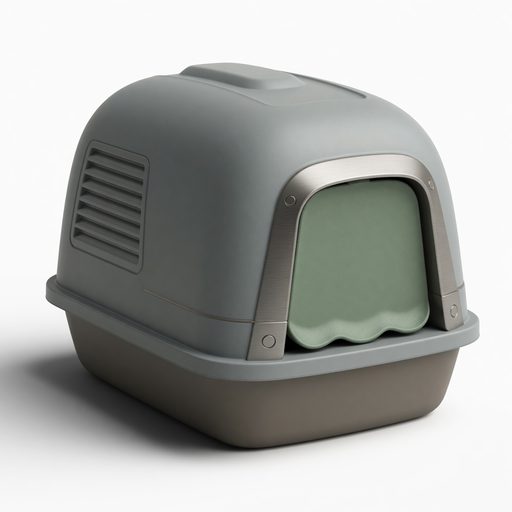
Inadequate litter box odor cleaning, wrong litter type, or too few boxes causes ammonia buildup that permeates the surrounding area.
How to Fix It
Enzymatic Cleaner Treatment
$10-25The only truly effective method.
- 1Blot fresh urine immediately (don't rub).
- 2Saturate the entire affected area with enzymatic cleaner — it needs to reach everywhere the urine went.
- 3Let sit for 10-15 minutes minimum. Cover with plastic wrap to prevent evaporation.
- 4Blot dry. Let air dry completely. Repeat if needed.
- 5Top products: Nature's Miracle, Rocco & Roxie, Angry Orange.
Deep Treatment for Carpet
$20-100When urine soaked through to pad.
- 1Pull back carpet in affected area.
- 2Cut out and replace the soaked carpet pad section ($5-20 for pad material).
- 3Treat the subfloor with enzymatic cleaner. For concrete: seal with Kilz or BIN primer after treatment.
- 4Replace pad, lay carpet back, treat carpet surface with enzymatic cleaner.
Find All Spots
$10-15You may have more contamination than you think.
- 1Buy a UV blacklight flashlight ($10-15).
- 2Darken the room completely and scan all surfaces — floor, walls, furniture.
- 3Cat urine fluoresces green-yellow under UV light.
- 4Mark each spot and treat systematically.
When to Call a Professional
Cat urinating outside the litter box odor — often a medical issue (UTI, kidney disease). Vet visit recommended.
Spraying behavior starting suddenly — may indicate stress, new pet, or territorial response. Consult vet about behavioral solutions.
Strong ammonia smell throughout house — extensive contamination may require professional remediation or flooring replacement.
How to Prevent It
Scoop litter daily, full change weekly.
One litter box odor per cat plus one extra.
Treat accidents immediately with enzymatic cleaner.
Regular vet checkups to catch urinary issues early.
Why Regular Cleaners Don't Work on Cat Urine
Most household cleaners dissolve urea and urochrome — the water-soluble components — giving the impression the stain is gone. But uric acid crystals remain bonded to the surface.
When humidity rises or the spot gets wet, these crystals reactivate and release ammonia again. This is why "cleaned" cat urine spots can smell for months or years. Only enzymatic cleaners contain the specific enzymes (uricase) that break down uric acid crystals permanently.
Frequently Asked Questions
Vinegar helps neutralize ammonia and is a good first step, but it doesn't break down uric acid crystals. Use vinegar as a pre-treatment, followed by enzymatic cleaner for permanent odor removal.
Without proper enzymatic treatment: indefinitely. The uric acid crystals reactivate with humidity and can smell for years. With enzymatic cleaner properly applied: the smell should be eliminated within 24-48 hours.
Standard steam cleaning often makes it worse by spreading the urine. Some carpet cleaning companies offer enzymatic pet odor treatment — specifically ask for this service. Severe cases may require pad replacement.
Medical causes (UTI, kidney disease, diabetes) should be ruled out first. Behavioral causes include: too few litter boxes, dirty boxes, wrong litter type, stress, or territorial marking. See your vet before assuming it's behavioral.