
Most Likely Causes (Ranked)
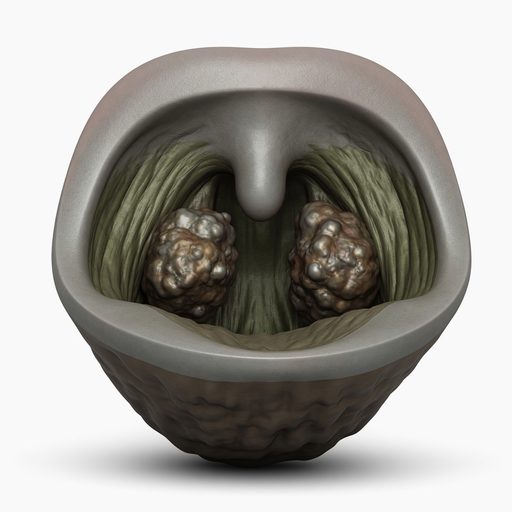
Dental disease is the #1 cause of bad breath in cats. Plaque builds up on teeth, hardens into tartar, and bacteria colonize the gum line. As gingivitis progresses to periodontitis, pockets form between the teeth and gums where bacteria thrive. These bacteria produce volatile sulfur compounds — the same chemicals that cause bad breath in humans.
Tooth resorption is a painful condition unique to cats where the tooth structure is slowly destroyed from the inside. It affects up to 60% of cats over age 6. The eroding tooth develops cavities that trap bacteria and food, causing severe bad breath and pain. Cats often hide the pain, so bad breath may be the only visible sign.
Feline stomatitis is a painful inflammatory condition where the cat's immune system overreacts to plaque bacteria, causing severe inflammation of the entire mouth — not just the gums. The mouth becomes red, ulcerated, and extremely painful. The extensive bacterial colonization and tissue breakdown produce very strong bad breath.

Chronic kidney disease (CKD) is common in older cats (over 10). When the kidneys can't effectively filter waste products from the blood, urea builds up — a condition called uremia. This excess urea is partially excreted through saliva, producing a distinctive ammonia-like or urine-like breath odor.
Uncontrolled diabetes in cats produces ketones as the body burns fat for energy instead of glucose. These ketones give the breath a distinctive sweet, fruity, or acetone-like odor — similar to nail polish remover. This is more serious than dental disease in dogs and requires prompt treatment.
How to Fix It
Schedule a Veterinary Dental Cleaning
$200-600The most effective treatment for dental disease in dogs, the #1 cause of cat bad breath.
- 1Your vet will examine your cat's mouth and likely recommend a dental cleaning under anesthesia.
- 2The cleaning includes full dental X-rays (essential — most feline dental disease is below the gum line), scaling to remove tartar, polishing, and extraction of any severely diseased teeth.
- 3Pre-anesthetic bloodwork ($50-150) ensures your cat is healthy enough for the procedure.
- 4Cost varies: $200-400 for a cleaning without extractions, $400-800+ if teeth need extraction.
- 5Recovery from a dental cleaning is quick — most cats are eating normally within 24 hours.
Start a Dental Care Routine at Home
$10-30Prevention between professional cleanings slows plaque buildup significantly.
- 1Brush your cat's teeth with a pet-specific toothpaste (never human toothpaste — fluoride is toxic to cats). Finger brushes are easier than standard brushes for cats.
- 2Start slowly: let your cat lick the toothpaste, then gradually work up to brushing. Even 2-3 times per week makes a significant difference.
- 3Dental treats (Greenies, CET) provide some mechanical cleaning through chewing.
- 4Water additives (Oxyfresh, Healthy Mouth) reduce oral bacteria and plaque formation.
- 5The Veterinary Oral Health Council (VOHC) maintains a list of products with proven dental benefits.
See a Vet for Non-Dental Causes
$50-300 (exam + diagnostics)If the breath smells like ammonia (kidneys) or sweet/fruity (diabetes).
- 1An ammonia or urine-like breath in an older cat warrants a blood panel to check kidney function (BUN, creatinine, SDMA).
- 2Sweet or fruity breath with increased thirst warrants a blood glucose test.
- 3Both conditions are manageable with early detection. CKD management includes diet change, fluids, and medications ($50-200/month). Diabetes management includes insulin injections and diet change ($100-300/month).
- 4Annual bloodwork for cats over 7 catches these conditions early, before they cause significant symptoms.
When to Call a Professional
Your cat stopped eating or dropped food while trying to eat — oral pain from advanced dental disease in dogs, stomatitis, or tooth resorption. Needs vet attention within a day or two.
The breath smells like ammonia and your cat is drinking/urinating more — possible kidney disease, especially in cats over 10. Schedule a vet visit for bloodwork.
The breath smells sweet/fruity with increased thirst and weight loss — possible diabetes. See a vet within a few days.
Excessive drooling, especially with blood-tinged saliva — indicates significant oral disease or possible oral tumor. Needs prompt veterinary evaluation.
Sudden onset of extremely foul breath — could indicate a tooth abscess, oral foreign body, or oral mass. See a vet promptly.
How to Prevent It
Annual dental checkups — your vet should examine your cat's mouth at every annual visit.
Brush teeth 2-3 times per week — the gold standard of feline dental prevention.
Use VOHC-accepted dental products — treats, water additives, and diets with proven dental benefits.
Feed dental-formulated dry food — kibble designed to mechanically clean teeth (like Hill's t/d or Royal Canin Dental).
Annual bloodwork for cats over 7 — catches kidney disease and diabetes before they cause symptoms.
Why Cats Hide Dental Pain
Cats are evolutionary masters at hiding pain. In the wild, showing weakness makes an animal a target. This instinct means your cat can have severe dental disease — cracked teeth, infected gums, tooth resorption — and still eat, purr, and seem perfectly normal. Bad breath is often the only outward sign.
By the time a cat shows obvious signs of dental pain (dropping food, pawing at the mouth, head tilting while eating, or refusing food), the disease is typically advanced. This is why bad breath in cats should be evaluated rather than ignored — it's an early warning that the cat can't communicate in other ways.
Regular dental checkups and proactive dental care are especially important for cats precisely because they won't tell you they're in pain until the problem is severe.
Frequently Asked Questions
Typically $200-600, depending on your location and what's needed. A cleaning without extractions: $200-400. With extractions: $400-800+. Pre-anesthetic bloodwork adds $50-150. Some areas have dental-focused veterinary practices that offer competitive pricing. Pet insurance (if purchased before the issue develops) may cover 50-80% of dental costs.
Mildly "fishy" breath is common in cats that eat fish-based food. But noticeably bad, foul, or changed breath is NOT normal — it indicates dental disease, which affects 70%+ of cats over 3 years old. Don't dismiss it as "just cat breath." It's usually treatable and leaving it untreated allows disease progression.
Yes, and it's the single most effective preventive measure. Use cat-specific toothpaste (flavored to appeal to cats) and a finger brush or small pet toothbrush. Start gradually — let the cat taste the paste first, then gently rub teeth for a few seconds, building up over weeks. Even imperfect brushing 2-3 times per week significantly reduces plaque.
Dental disease can begin as early as age 1-2, and by age 3, over 70% of cats have some degree of periodontal disease. Tooth resorption becomes increasingly common after age 5-6. This is why dental checks should be part of annual vet visits starting in kittenhood, with professional cleanings recommended as needed — often every 1-3 years.