Most Likely Causes (Ranked)
Advanced periodontal disease harbors anaerobic bacteria that produce volatile sulfur compounds and putrescine — the same chemical produced by decomposing tissue. A tooth abscess (infected tooth) produces particularly foul breath.
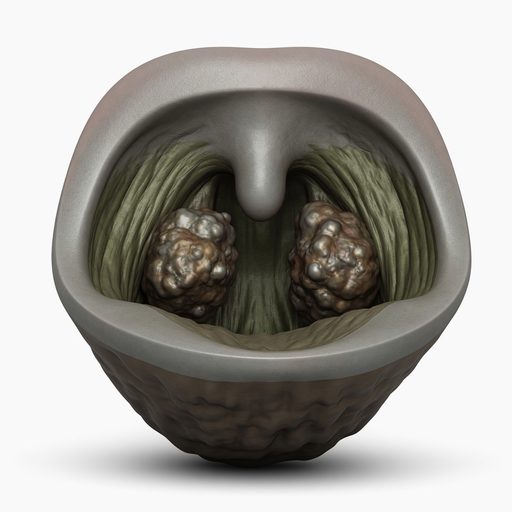
Tonsil stones (tonsilloliths) are calcified deposits of food debris, bacteria, and dead cells trapped in tonsil crypts. They produce an intensely foul smell.
Chronic sinusitis produces infected mucus that drains down the throat. Bacteria in this mucus create foul-smelling compounds.
Severe gastroesophageal reflux allows stomach contents and partially digested food to reach the throat/mouth, producing a fecal or vomit-like odor.
A bowel obstruction prevents intestinal contents from moving forward. In severe cases, fecal matter can reflux upward, causing fecal-smelling breath and vomiting of fecal material. This is a medical emergency.
How to Fix It
See a Dentist
$50-300First step — dental causes are most common.
- 1Full dental exam including X-rays to check for abscesses and bone loss.
- 2Periodontal treatment if gum disease is present.
- 3Abscess drainage and antibiotics if infected tooth is found.
- 4Regular dental cleanings every 6 months going forward.
Remove Tonsil Stones
$0-50If visible tonsil stones.
- 1Gently dislodge with a cotton swab or water flosser on low setting.
- 2Gargle with warm salt water daily to prevent recurrence.
- 3For chronic tonsil stones: ENT can discuss tonsillectomy.
See a Doctor
$50-300If dental evaluation is clear.
- 1Evaluation for sinus infection, GERD, or GI issues.
- 2Sinus infection: antibiotics or referral to ENT.
- 3GERD: medication (PPI), dietary changes, lifestyle modifications.
- 4GI workup if digestive symptoms are present.
When to Call a Professional
Vomiting with abdominal pain and inability to pass stool — possible bowel obstruction. GO TO ER.
Facial swelling with foul breath — tooth abscess spreading. Seek urgent dental care.
Unexplained weight loss with fecal breath — warrants GI evaluation.
Persistent despite dental treatment — investigate sinus, GERD, or GI causes.
How to Prevent It
Brush and floss daily.
Regular dental checkups.
Stay hydrated.
Treat GERD and sinus issues promptly.
When Fecal Breath Is an Emergency
If fecal-smelling breath is accompanied by severe abdominal pain, distension, vomiting (especially vomiting that smells fecal), and inability to pass gas or stool — this may be a bowel obstruction. This is a surgical emergency. Go to the emergency room immediately.
Bowel obstruction prevents intestinal contents from moving forward. In severe cases, pressure buildup causes fecal matter to travel backward, reaching the stomach and mouth. Without treatment, this can be life-threatening.
Frequently Asked Questions
Not always — dental disease in dogs and tonsil stones are the most common causes and are very treatable. However, it's always worth investigating because some causes (abscess, bowel obstruction) are serious. See a dentist first.
Yes. Severe GERD allows stomach contents including partially digested food to reflux into the esophagus and throat, producing very unpleasant breath. Treatment with PPIs and dietary changes usually helps.
Look in the mirror with a flashlight. White or yellowish lumps on or near the tonsils. You may also cough up small, hard, foul-smelling chunks. They're very common and usually harmless.
In children, the most common causes are nasal foreign body (kids put things in their noses), sinus infection, or poor dental hygiene. If a child suddenly has foul breath, check for a foreign object in the nose first.