Most Likely Causes (Ranked)
The tongue has a bumpy, textured surface (papillae) that traps bacteria, dead cells, food debris, and postnasal drip. The back of the tongue is the worst area — it's hard to reach, rarely cleaned, and has less oxygen exposure (anaerobic bacteria thrive there). These bacteria produce volatile sulfur compounds (VSCs) as metabolic waste, which is what you and others smell. Research consistently shows that the tongue coating is the primary source of bad breath in the majority of halitosis cases.
Gingivitis (inflamed gums) and periodontitis (advanced gum disease with bone loss) create deep pockets between teeth and gums where anaerobic bacteria flourish in an environment impossible to reach with brushing alone. These bacteria produce the same sulfur compounds as tongue bacteria but are protected in a subgingival biofilm that's very difficult to disrupt. Gum disease affects nearly half of adults over 30.
Food particles that remain between teeth, around dental work, and in hard-to-reach areas are broken down by bacteria, producing odorous compounds. Areas where food frequently gets trapped — between molars, around crowns and bridges, near wisdom teeth, and at the gumline — are especially problematic. Most people brush adequately but don't floss or clean between teeth, leaving 35% of tooth surfaces uncleaned.
Saliva is your mouth's natural cleaning system — it rinses food particles, neutralizes bacterial acids, and contains enzymes that break down bacteria. When saliva flow decreases, bacteria multiply rapidly. Dry mouth is caused by mouth breathing, sleeping with your mouth open, hundreds of medications (antihistamines, antidepressants, blood pressure drugs, decongestants), aging, and medical conditions like Sjögren's syndrome.
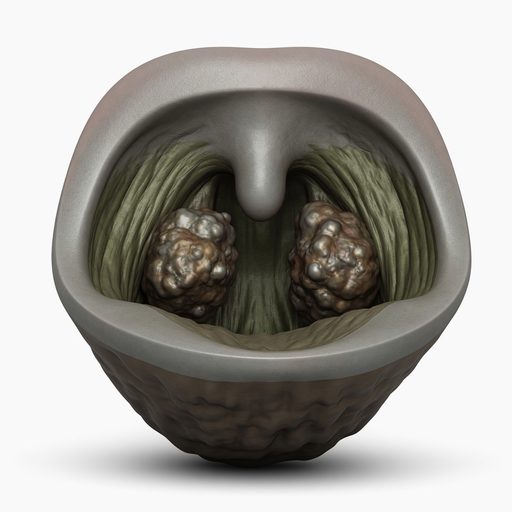
Tonsil stones are small, calcified accumulations of food debris, bacteria, and dead cells that form in the crypts (folds) of the tonsils. They range from rice-grain to pea-sized and produce an extremely foul sulfur smell when crushed. About 10% of people get tonsil stones regularly, and they're more common in people with large tonsils or deep tonsillar crypts.
In about 10% of halitosis cases, the cause is outside the mouth — sinus infections, postnasal drip, acid reflux (GERD), diabetes (fruity breath from ketones), liver disease, kidney disease, or certain metabolic disorders. These conditions produce distinct breath odors from metabolic byproducts, not oral bacteria.
How to Fix It
Start Tongue Scraping Daily
$5-10This single habit addresses the #1 cause of bad breath and works faster than anything else.
- 1Buy a tongue scraper ($5-10 on Amazon or at any pharmacy). Metal scrapers (stainless steel or copper) work better and last longer than plastic ones.
- 2Scrape your tongue from back to front, applying gentle pressure. Reach as far back as you can without gagging — the back third of the tongue is where most odor-causing bacteria live.
- 3Rinse the scraper between strokes. Do 5-10 strokes until the scraper comes away relatively clean.
- 4Do this at least once daily, ideally in the morning before eating or brushing. You can also use a toothbrush on the tongue, but scrapers are more effective at removing the bacterial biofilm.
- 5Many people notice a significant improvement in breath within 2-3 days of starting tongue scraping. It's the highest-impact single change you can make.
Upgrade Your Oral Hygiene Routine
$10-30Most people brush OK but skip the other critical steps that prevent bad breath.
- 1Floss daily — or use interdental brushes or a water flosser ($40-80, like Waterpik) if traditional floss is difficult. Cleaning between teeth removes the 35% of tooth surfaces your brush can't reach.
- 2Brush for a full 2 minutes, twice daily, including along the gumline at a 45-degree angle. Electric toothbrushes ($40-100) with timers make this easier and more effective.
- 3Use an alcohol-free antimicrobial mouthwash containing cetylpyridinium chloride (CPC) or chlorhexidine. Avoid alcohol-based mouthwashes — they dry out the mouth and can worsen bad breath long-term. Good options: CloSYS, TheraBreath, Crest Pro-Health.
- 4Replace your toothbrush every 3 months or when bristles fray.
- 5After lunch, even a quick water rinse (swish and swallow) helps dislodge food particles and stimulate saliva.
Get a Dental Cleaning and Checkup
$100-300 (cleaning) / $200-500 (deep cleaning)If home care doesn't resolve the breath, gum disease or dental issues may be the cause.
- 1Schedule a dental exam and professional cleaning. Mention the bad breath specifically — this helps the dentist focus on potential causes.
- 2A standard cleaning ($100-200) removes plaque and calculus (tarite) that harbor bacteria. If gum disease is present, a deep cleaning (scaling and root planing, $200-500 per quadrant) is more effective.
- 3The dentist will check for cavities, failing dental work, and gum pockets that trap bacteria. X-rays can reveal hidden problems below the gumline.
- 4Follow-up cleanings every 6 months (or every 3-4 months if you have gum disease) keep bacterial buildup controlled.
- 5Ask about prescription-strength chlorhexidine mouthwash if standard products aren't controlling the bacteria effectively.
Address Dry Mouth
$5-30If medications or mouth breathing are drying out your mouth, restoring moisture reduces bacterial growth.
- 1Drink water frequently throughout the day. Carry a water bottle and take small sips regularly.
- 2Chew sugar-free gum or suck on sugar-free hard candy to stimulate saliva flow. Xylitol-containing products are ideal because xylitol also inhibits bacterial growth.
- 3Use a dry mouth spray or rinse like Biotene ($8-12) for immediate relief. These contain moisturizing agents that supplement natural saliva.
- 4If you breathe through your mouth at night, consider mouth tape (like Somnifix, $15-20 for 28 strips) or treat the underlying cause (nasal congestion, deviated septum).
- 5Talk to your doctor if medications are causing dry mouth — sometimes an alternative medication with fewer oral side effects is available.
When to Call a Professional
Bad breath persists despite excellent oral hygiene and dental cleanings — if tongue scraping, flossing, and professional cleanings don't resolve it, a non-oral cause should be investigated by a doctor.
Your breath smells fruity or like acetone — this can indicate diabetic ketoacidosis (in diabetics) or very strict ketogenic dieting. In diabetics, this is potentially dangerous — check blood sugar immediately.
Gums bleed heavily or are pulling away from teeth — advanced gum disease needs prompt dental treatment to prevent tooth loss and bone damage.
You have persistent throat pain, difficulty swallowing, or voice changes along with bad breath — these symptoms together warrant a medical evaluation to rule out throat or tonsil conditions.
Others notice the smell but you can't — this is common because you become desensitized to your own breath. If multiple people mention it, take it seriously even if you can't smell it yourself.
How to Prevent It
Scrape or brush your tongue daily — the single most effective prevention step. The tongue harbors 90% of breath-causing bacteria.
Floss every day — trapped food between teeth decomposes and smells. Daily flossing is non-negotiable for fresh breath.
Stay hydrated — adequate water intake keeps saliva flowing, which naturally cleans the mouth and controls bacteria.
See a dentist every 6 months — professional cleanings remove bacterial buildup that home care misses, especially below the gumline.
Avoid tobacco — smoking and chewing tobacco contribute to dry mouth, gum disease, and their own distinctive bad breath.
Why You Can't Smell Your Own Bad Breath
The human nose adapts to constant smells through a process called olfactory adaptation (or "nose blindness"). Because you're continuously exposed to your own breath, your brain stops registering the odor. This is the same reason you can't smell your own house but visitors might notice a distinct smell when they walk in.
This adaptation means you may have bad breath and not know it. The tongue scrape test (scrape the back of your tongue with a spoon, wait 30 seconds, then smell) gives a more objective assessment. The floss test (smell the floss after cleaning between back molars) reveals odors from trapped food and bacteria. Some dental offices offer halimeter testing — a device that measures volatile sulfur compounds in your breath.
If you suspect bad breath, ask a trusted friend or family member directly. It's an uncomfortable conversation, but it's the most reliable test. Then address the cause rather than masking it with mints or mouthwash.
Frequently Asked Questions
Mouthwash temporarily masks bad breath but doesn't fix the underlying cause. Alcohol-based mouthwashes can actually worsen breath long-term by drying out the mouth. Antimicrobial mouthwashes with CPC or chlorhexidine (like TheraBreath or CloSYS) do kill odor-causing bacteria, but they work best as a supplement to tongue scraping and flossing — not a replacement.
Rarely. About 90% of bad breath originates in the mouth (tongue, gums, teeth). Stomach-related causes like GERD or H. pylori infection account for a small percentage of cases. The esophagus is normally closed, so stomach odors rarely reach the mouth. If you have reflux symptoms (heartburn, acid taste) alongside persistent breath issues, see a doctor about GERD.
Saliva flow drops dramatically during sleep, allowing bacteria to multiply unchecked for 6-8 hours. If you sleep with your mouth open (which dries the mouth further), morning breath is even worse. This is normal and expected. Tongue scraping and brushing in the morning resolves it immediately.
Breath mints mask the smell temporarily (15-30 minutes) but don't address the cause. Sugar-containing mints can actually worsen the problem by feeding bacteria. If you want a quick fix, use sugar-free mints or gum containing xylitol, which inhibits bacterial growth while freshening breath.