Most Likely Causes (Ranked)
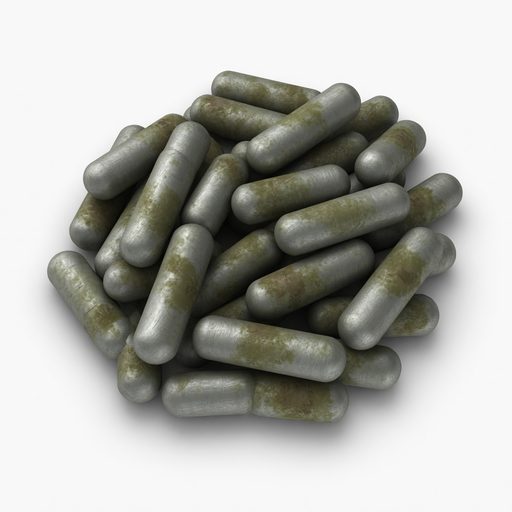
Dozens of common medications cause metallic breath as a side effect. Antibiotics (metronidazole, clarithromycin), blood pressure medications (ACE inhibitors like lisinopril), metformin for diabetes, lithium, and prenatal vitamins with iron are the most common culprits. The metal ions from these drugs are secreted into saliva.
Stomach acid rising into the esophagus and mouth carries a metallic or sour taste. The acid can also cause a metallic smell on the breath. Bile reflux has an even more distinctly metallic quality than acid alone.
Even microscopic amounts of blood in the mouth from gingivitis, periodontitis, or dental procedures produce a metallic taste and smell. Blood contains iron (in hemoglobin), which is what you're detecting. Many people with early gum disease don't realize their gums are bleeding.

Hormonal changes during pregnancy — especially in the first trimester — commonly cause a metallic taste called dysgeusia. Estrogen fluctuations affect taste receptor sensitivity. This affects about 90% of pregnant women to some degree.
When kidneys can't adequately filter waste, urea builds up in the blood and is partially excreted through saliva and breath, producing a metallic or ammonia-like taste and odor. This is less common but more serious.
How to Fix It
Address Medication Side Effects
$0Most common fix.
- 1Check your medication list — look up each one's side effects for 'metallic taste' or 'dysgeusia.'
- 2Talk to your doctor about alternatives. Many drug classes have options that don't cause metallic taste.
- 3For iron supplements: take with food and orange juice (vitamin C helps absorption and reduces metallic taste).
- 4If the medication is essential: sugar-free gum, mints, or citrus foods help mask the metallic taste.
Treat Underlying Dental Issues
$0-300Rule out oral bleeding.
- 1Brush twice daily with a soft-bristle brush and floss daily.
- 2See a dentist for a cleaning and gum evaluation — early gum disease is reversible.
- 3Use an antiseptic mouthwash (Listerine, Crest Pro-Health) to reduce gum inflammation.
- 4If gums are actively bleeding, a professional cleaning ($100-300) and improved home care usually resolves it within 2-4 weeks.
Manage GERD/Acid Reflux
$10-50If reflux is the cause.
- 1Try an OTC proton pump inhibitor (omeprazole/Prilosec, 20mg daily for 2 weeks).
- 2Elevate the head of your bed 6 inches — gravity keeps acid down.
- 3Avoid eating 3 hours before lying down.
- 4Avoid trigger foods: coffee, alcohol, spicy food, citrus, tomatoes, chocolate.
- 5If OTC treatment doesn't help within 2 weeks, see a gastroenterologist.
See a Doctor
$100-300If metallic breath persists despite the above fixes.
- 1Request basic blood work: kidney function (BUN, creatinine), blood glucose, and a CBC.
- 2A persistent metallic taste with fatigue, swelling, or urinary changes warrants prompt evaluation.
- 3For pregnant women: discuss with your OB-GYN. Most cases resolve by the second trimester.
When to Call a Professional
Metallic breath with fatigue, swelling, and decreased urination — possible kidney issue. See a doctor soon.
Metallic taste with excessive thirst and frequent urination — check blood sugar for diabetes
Metallic taste after exposure to lead, mercury, or chemical fumes — seek medical attention for possible toxic exposure
Sudden metallic taste with headache, confusion, or vision changes — seek emergency care
How to Prevent It
Take iron supplements with food and vitamin C to reduce metallic taste.
Maintain good oral hygiene — bleeding gums are the most overlooked cause.
Manage GERD proactively — don't ignore chronic heartburn.
Stay hydrated — dry mouth concentrates metallic compounds in saliva.
Chew sugar-free gum to stimulate saliva flow and mask metallic taste.
Why Medications Cause Metallic Breath
Many medications contain metal ions (iron, zinc, copper) or alter how your body processes these metals. Some drugs are secreted into saliva, where they interact with taste receptors that detect metal ions. Your tongue has specific taste receptors called TAS2R receptors that are extremely sensitive to metallic compounds — you can detect iron at concentrations as low as 1 part per million.
The metallic smell on breath occurs because these same metal ions react with lipids (fats) on the tongue and oral mucosa through a process called lipid peroxidation, which produces volatile organic compounds with a metallic odor. This is the same reaction that makes your hands smell metallic after touching coins or metal surfaces.
Frequently Asked Questions
Metallic taste is listed as a rare side effect of some cancers, but it's far more commonly caused by medications, dental issues, or GERD. Don't panic — but do see a doctor if it persists despite addressing common causes.
Exercise increases blood flow and can cause minor gum bleeding that you don't notice visually. Dehydration during exercise also concentrates metal ions in saliva. Staying hydrated and maintaining dental health usually resolves this.
Yes. COVID-19 and other viral infections can damage taste and smell receptors, causing metallic taste (dysgeusia) as a symptom or during recovery. This usually resolves within weeks to months.
It typically persists as long as you're taking the medication. It usually resolves within 1-2 weeks of stopping the medication (or switching to an alternative).
Usually yes — most women find it improves significantly by the second trimester (week 13-14) as hormone levels stabilize. Sour candies and citrus temporarily help in the meantime.