
Common Causes (Ranked by Likelihood)
The back of your tongue has a rough, papillae-covered surface that traps food particles, dead cells, and mucus. Anaerobic bacteria (Fusobacterium, Porphyromonas, Prevotella) colonize this area and break down proteins into volatile sulfur compounds. The tongue is responsible for 60-70% of halitosis cases.
Gum disease creates pockets between teeth and gums where sulfur-producing bacteria thrive in an oxygen-free environment. The deeper the pockets, the more bacteria and the stronger the sulfur smell. About 47% of adults over 30 have some form of gum disease.

Mucus dripping from the sinuses down the back of the throat provides a protein-rich food source for sulfur-producing bacteria. Sinus infections, allergies, and chronic rhinitis all increase postnasal drip. The mucus itself doesn't smell, but the bacterial breakdown products do.
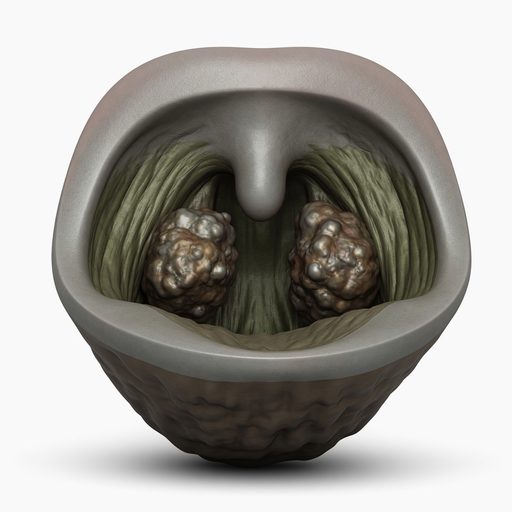
Tonsil stones are calcified clusters of food debris, dead cells, mucus, and bacteria that form in the crypts (crevices) of the tonsils. They're loaded with sulfur-producing bacteria and emit a powerful, concentrated sulfur smell. About 10% of the population gets them regularly.
Saliva is your mouth's natural cleaning system — it flushes bacteria, neutralizes acids, and contains antimicrobial enzymes. When saliva production drops (from medications, mouth breathing, dehydration, or age), sulfur-producing bacteria multiply unchecked. Over 400 medications list dry mouth as a side effect.
How to Fix It
Upgrade Oral Hygiene
$5-25Addresses the most common cause.
- 1Scrape or brush the back of your tongue daily — this alone can reduce sulfur compounds by 75%.
- 2Floss daily to remove food and bacteria from between teeth and below the gumline.
- 3Use a mouthwash containing chlorine dioxide (like TheraBreath) or zinc — these neutralize sulfur compounds specifically.
- 4Replace your toothbrush every 3 months and brush for a full 2 minutes.
Address Underlying Issues
$0-100For tonsil stones, dry mouth, or postnasal drip.
- 1Tonsil stones: gargle vigorously with warm salt water daily. Use a water flosser on low setting to dislodge visible stones.
- 2Dry mouth: sip water throughout the day, use a humidifier at night, try saliva-stimulating products (Biotene, xylitol gum).
- 3Postnasal drip: saline nasal rinse (neti pot) daily, take antihistamines if allergy-related.
- 4Stay hydrated — dehydration worsens all causes of sulfur breath.
See a Dentist or Doctor
$100-500For gum disease, persistent halitosis, or suspected GI cause.
- 1Dental cleaning and periodontal evaluation — deep cleaning (scaling/root planing) for gum disease costs $200-400 per quadrant.
- 2If oral causes are ruled out, see an ENT for chronic sinus issues or tonsil evaluation.
- 3For suspected GI cause (rare), a gastroenterologist can test for H. pylori or GERD.
- 4Persistent tonsil stones may warrant tonsillectomy if they significantly impact quality of life.
When to Call a Professional
Sulfur breath with bleeding gums and loose teeth — advanced gum disease needs professional treatment.
Sulfur smell that doesn't improve with oral hygiene — could be tonsil stones, sinus issue, or rarely a GI problem.
New onset sulfur breath with digestive symptoms (bloating, nausea) — consider H. pylori or GERD.
Sweet or fruity smell mixed with sulfur — could indicate diabetic ketoacidosis if accompanied by excessive thirst.
How to Prevent It
Clean your tongue daily — use a tongue scraper or your toothbrush on the back third.
Floss every day — bacteria between teeth are a major sulfur source.
Stay hydrated — dry mouth is a sulfur bacteria playground.
Avoid mouth breathing — use nasal strips at night if needed.
Regular dental cleanings — every 6 months to prevent gum disease.
Volatile Sulfur Compounds: What You're Actually Smelling
The sulfur smell in your breath comes from three main volatile sulfur compounds (VSCs): hydrogen sulfide (H₂S), which smells like rotten eggs; methyl mercaptan (CH₃SH), which smells like rotting cabbage; and dimethyl sulfide ((CH₃)₂S), which smells like rotting vegetables. These are produced by anaerobic bacteria as they break down sulfur-containing amino acids (cysteine and methionine) from food proteins and dead cells.
The back of the tongue is the primary production site because its rough, fissured surface provides the oxygen-free environment these bacteria need. A single tongue scraping can contain billions of bacteria. Studies using gas chromatography have shown that VSC levels are 10-100x higher at the back of the tongue compared to the front.
This is why tongue cleaning is the single most effective intervention for sulfur breath. Products containing chlorine dioxide work by oxidizing VSCs directly, while zinc ions bind to sulfur compounds and prevent them from becoming volatile. Regular chlorhexidine mouthwash kills bacteria but can stain teeth with prolonged use — chlorine dioxide and zinc are better for long-term maintenance.
Frequently Asked Questions
During sleep, saliva production drops by 50-90%, allowing sulfur-producing bacteria to multiply unchecked. Add 6-8 hours without eating or drinking (which normally rinse the mouth), and morning breath is the result. Tongue cleaning before bed and staying hydrated helps.
Yes, but it's uncommon. H. pylori infection, GERD (acid reflux), and small intestinal bacterial overgrowth (SIBO) can all contribute to sulfur breath. If oral hygiene is excellent and the smell persists, a GI evaluation may be warranted.
Absolutely. Tonsil stones are concentrated masses of bacteria, food debris, and dead cells — they're essentially sulfur factories. Even small stones can produce significant odor. Regular gargling, water flossing, and good hydration help prevent them.
Look for chlorine dioxide (TheraBreath, CloSYS) or zinc-based mouthwashes. These specifically target sulfur compounds. Avoid alcohol-based mouthwashes — they dry out the mouth and can make sulfur breath worse in the long run.