Most Likely Causes (Ranked)
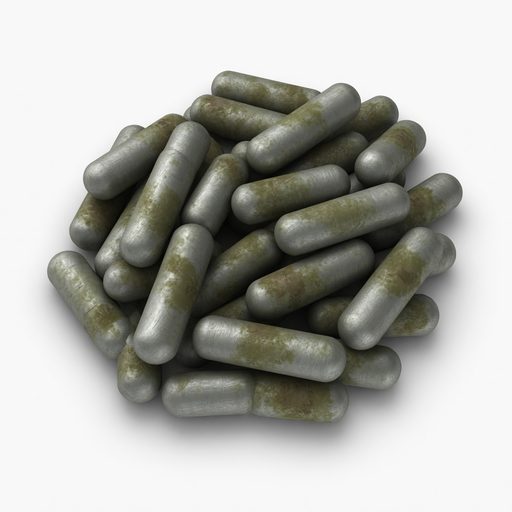
Anaerobic bacteria deep in tonsil crypts break down trapped organic material (dead cells, food, mucus) and produce hydrogen sulfide and methyl mercaptan — potent sulfur gases.
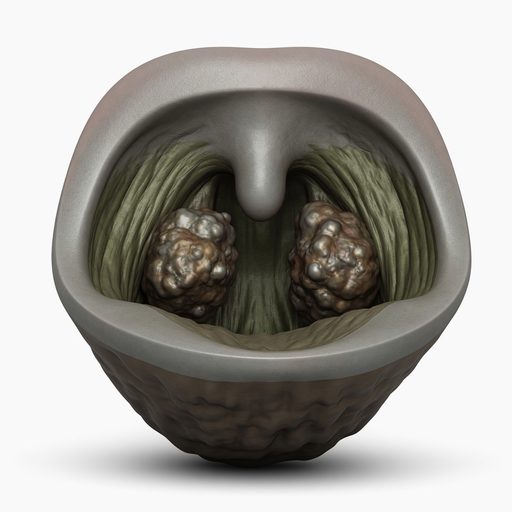
People with deep, creviced tonsils (often from past infections) are much more prone to stones. The deeper the crypt, the more material gets trapped and the larger the stones grow.
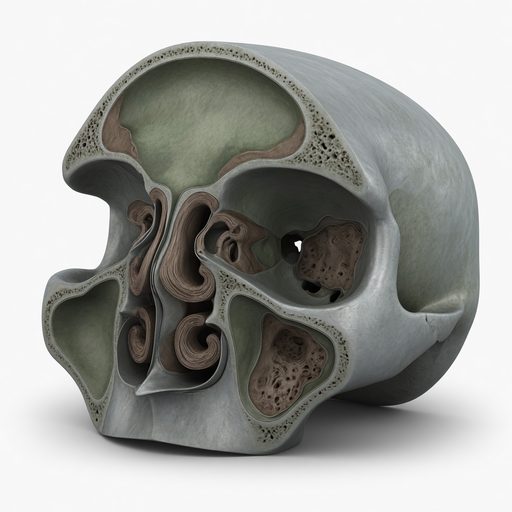
Chronic post-nasal drip deposits mucus onto the tonsils, providing additional raw material for stone formation and bacterial growth.
Saliva naturally washes bacteria and debris from the tonsils. Chronic dry mouth (from mouth breathing, medications, or dehydration) allows more material to accumulate.
How to Fix It
Remove Existing Stones
$0Several safe at-home methods.
- 1Method 1: Use a clean cotton swab to gently press on the tonsil tissue below the stone — it should pop out.
- 2Method 2: Low-pressure water flosser (Waterpik on lowest setting) aimed at the stone.
- 3Method 3: Gargle vigorously with warm salt water — can dislodge smaller stones.
- 4NEVER use sharp objects (toothpicks, tweezers) — tonsil tissue bleeds easily and is infection-prone.
- 5If you can't remove a stone or it's very deep, an ENT doctor can remove it safely.
Prevent New Stones
$0-15Daily habits that reduce formation.
- 1Gargle daily with warm salt water or alcohol-free mouthwash — reduces bacteria and washes away debris.
- 2Stay well hydrated — saliva flow prevents material accumulation.
- 3Practice excellent oral hygiene — brush twice daily, floss, scrape tongue.
- 4Use a tongue scraper daily — removes bacteria from the tongue surface that migrates to tonsils.
- 5If you have post-nasal drip, treat it (saline rinse, allergy medication) to reduce mucus deposition on tonsils.
Consider Tonsillectomy for Severe Cases
$3,000-7,000For chronic, debilitating tonsil stones.
- 1If stones recur frequently despite prevention, cause significant bad breath, or cause recurrent infections, tonsillectomy may be appropriate.
- 2Discuss with an ENT specialist — they'll evaluate whether your case warrants surgery.
- 3Alternatives: cryptolysis (laser or coblation to smooth tonsil crypts, $500-1,500) is less invasive than full tonsillectomy.
- 4Recovery from tonsillectomy: 10-14 days for adults, 7-10 for children. More painful for adults than children.
When to Call a Professional
Large stones causing difficulty swallowing — see an ENT.
Recurrent tonsillitis with stones — tonsillectomy may be indicated.
Stones with fever or severe throat pain — may indicate peritonsillar abscess. See a doctor.
Bleeding that doesn't stop after attempted removal — see a doctor.
How to Prevent It
Daily gargling — salt water or alcohol-free mouthwash.
Stay hydrated — saliva is your natural tonsil cleaner.
Tongue scraping — reduces bacterial load.
Treat post-nasal drip — reduces mucus on tonsils.
Why Such Tiny Things Smell So Terrible
Tonsil stones can be as small as a grain of rice, yet produce a smell that fills a room when crushed. The reason: anaerobic bacteria in the stones produce sulfur compounds at extremely high concentrations.
The sulfur compounds are the same ones found in rotten eggs (hydrogen sulfide), skunks (thiols), and sewage. When compressed into a tiny stone, the concentration per volume is enormous. Crushing a tonsil stone releases this concentrated payload all at once.
Frequently Asked Questions
No — they're annoying and smelly but not medically dangerous. They can cause bad breath, sore throat, and occasional ear pain (referred pain). They're only a concern if they're very large or cause recurrent infections.
If brushing doesn't fix bad breath, tonsil stones are a common hidden cause. The stones are behind the tongue where brushing doesn't reach. Gargling and stone removal are needed.
Very common — studies suggest 10-30% of adults have them at any given time. Many people have them without knowing because small stones are swallowed unconsciously.
Without tonsillectomy, you can only reduce frequency through good hygiene and gargling. Some people are anatomically prone due to deep tonsil crypts. Cryptolysis can reduce crypt depth without full tonsil removal.