Most Likely Causes (Ranked)
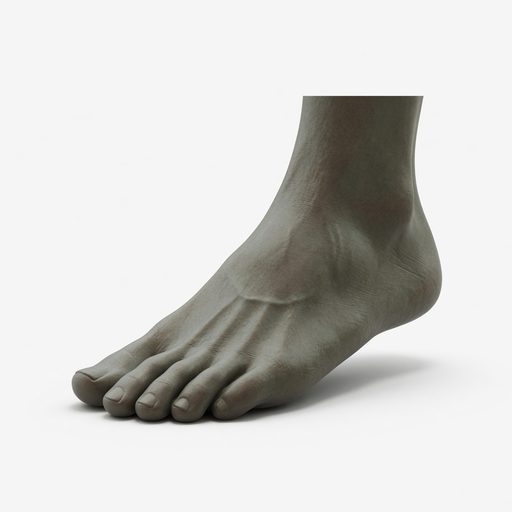
Feet have 250,000 sweat glands — more per square inch than anywhere else on the body. Brevibacterium linens and Staphylococcus epidermidis metabolize sweat and dead skin into isovaleric acid and methanethiol, creating the characteristic foot odor. Enclosed shoes create ideal conditions: warm, dark, and moist.

Primary plantar hyperhidrosis causes feet to sweat 4-5x more than normal, regardless of temperature or activity. The excess moisture creates an extreme bacterial breeding ground. About 3% of the population has hyperhidrosis, and many don't realize it's a medical condition.
Tinea pedis (athlete's foot) creates red, scaly, cracked skin between toes and on the soles. The damaged skin provides more surface area for bacteria and the fungus itself produces musty, cheesy compounds. Fungal infections often co-exist with bacterial odor.
How to Fix It
Quick Fix
$0-10Try this first.
- 1Identify the source by following the smell to its strongest point.
- 2Clean or treat the source directly.
- 3Ventilate the area.
- 4Monitor for recurrence.
Deep Clean
$10-50If the quick fix doesn't resolve it.
- 1Remove and clean all components in the affected area.
- 2Use appropriate cleaning products (enzymatic for organic, bleach for mold).
- 3Address any moisture or ventilation issues.
- 4Consider odor absorbers (activated charcoal, baking soda).
Professional Help
$50-500When DIY doesn't work.
- 1Call the appropriate professional (plumber, HVAC tech, pest control, vet).
- 2Get a diagnosis before authorizing expensive repairs.
- 3Ask about warranties on the work.
When to Call a Professional
Smell persists despite thorough cleaning — the source may be hidden or structural.
Smell is accompanied by other symptoms — may indicate a more serious issue.
Smell appeared suddenly and is very strong — investigate promptly for safety.
How to Prevent It
Regular cleaning and maintenance prevents most odor problems.
Address moisture issues promptly.
Good ventilation is key to preventing odor buildup.
Finding the Source
The key to eliminating any persistent smell is finding the source. Foot odor treatment guide — shoe rotation, antibacterial wash, merino socks, and more. Follow your nose to the area where the smell is strongest, then systematically check each possible cause listed above. Most smells have a straightforward fix once the source is identified.
Frequently Asked Questions
Start by identifying the source — the smell is always strongest near the cause. Once found, clean or treat the specific source. See the fixes section above for detailed steps.
Most household smells are unpleasant but not dangerous. Exceptions include gas leaks (rotten egg smell near gas appliances), carbon monoxide risk, and strong chemical fumes. When in doubt, ventilate and investigate.
With proper treatment of the source, most smells resolve within 24-72 hours. Persistent smells after treatment suggest the source wasn't fully addressed or there's a secondary cause.
Try the DIY fixes first. Call a professional if: the smell persists after thorough cleaning, you can't identify the source, or the cause requires specialized equipment or expertise.