Most Likely Causes (Ranked)
Engine oil leaking from gaskets and seals onto the exhaust manifold or other hot engine parts produces one of the most recognizable car smells — a sharp, acrid, slightly sweet burning odor. The most common leak points are the valve cover gasket (top of engine), oil pan gasket (bottom), oil filter seal, and turbo oil lines (on turbocharged engines). Even a small leak that drips just a few drops per day produces a noticeable smell once it hits the hot exhaust.
Brake pads are made of composite material that generates a lot of heat through friction. A sharp, metallic burning smell from brakes can occur when: new brake pads are bedding in (normal for the first 100 miles), a caliper is stuck and dragging the brake on one wheel, or you've been riding the brakes on a long downhill. A stuck caliper is the most concerning — it keeps the pad pressed against the rotor continuously, generating extreme heat.
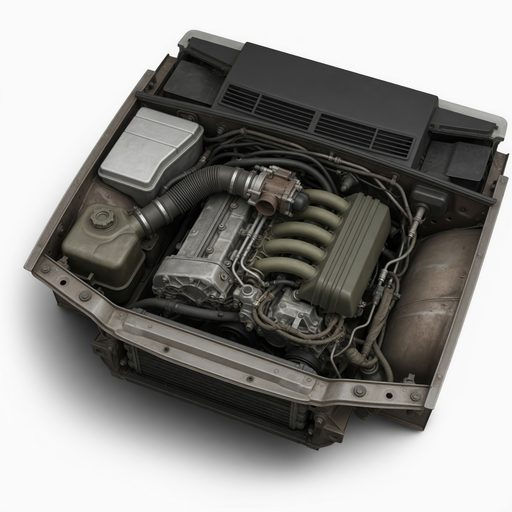
The serpentine belt (drive belt) connects the engine to the alternator, power steering pump, AC compressor, and water pump. When this belt is worn, loose, or contaminated with oil, it slips on the pulleys, generating friction heat that produces a distinct rubber burning smell. A belt can also slip when an accessory it drives (like the AC compressor) seizes partially.
If you drive a manual transmission, a burning smell resembling burnt paper or toast can come from the clutch friction material. This happens when the clutch slips — meaning it's not fully engaging and the friction disc is wearing against the pressure plate without transferring full power. Riding the clutch (resting your foot on the pedal while driving), aggressive hill starts, and a worn clutch disc are the most common causes.
An electrical short circuit produces a distinctive burning plastic or chemical smell as wire insulation melts. This is one of the more serious causes because electrical fires can develop quickly. Common sources include aftermarket wiring (stereos, lights) done improperly, rodent damage to wiring harnesses, and corroded connections that create resistance heating.
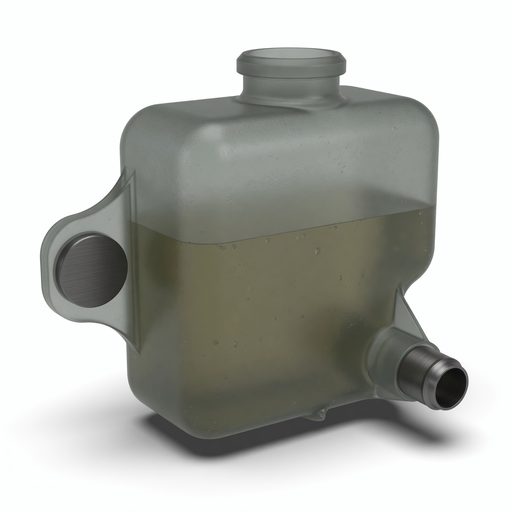
Engine coolant (antifreeze) leaking onto hot engine parts produces a sweet, slightly sickly burning smell that's very different from burning oil. Coolant leaks commonly originate from radiator hoses, the water pump, heater core, or a cracked radiator. Because coolant operates under pressure, these leaks often start small and get worse over time.
How to Fix It
Find and Fix an Oil Leak
$50-600 depending on sourceOil leaks don't fix themselves and get worse over time. Finding the source is the critical first step.
- 1Clean the engine with degreaser spray ($5-10) and a garden hose. This removes accumulated oil so you can see where the fresh leak originates. Drive for a day, then inspect.
- 2Check the most common leak points: valve cover gasket (top of engine — most common), oil pan gasket (bottom), oil filter (make sure it's tight and the old O-ring wasn't left behind), and oil drain plug.
- 3A valve cover gasket replacement is often a DIY-friendly job on many cars — the gasket costs $15-50 and the job takes 1-3 hours. There are many vehicle-specific YouTube tutorials.
- 4Oil pan gasket replacement typically costs $200-600 at a shop because the pan is harder to access. Turbo oil line leaks and rear main seal leaks are more expensive ($400-1,500+).
- 5As a temporary measure to prevent the smell, clean the oil off the exhaust manifold with brake cleaner spray (engine off, cool). This buys time while you arrange the repair.
Address Brake Issues
$100-400 per axleIf one wheel is significantly hotter than the others, a caliper may be stuck and needs attention soon.
- 1If brakes are new (under 500 miles): some burning smell during break-in is normal. Drive gently for the first 200 miles, making moderate stops from 35-40 mph to properly bed the pads.
- 2If one wheel is extremely hot: a stuck caliper needs repair. Don't continue driving — the rotor can warp and the brake fluid can boil, leading to brake failure. Have the car towed to a shop if the caliper is fully seized.
- 3A caliper rebuild or replacement costs $150-400 per caliper, including new pads and rotor machining or replacement.
- 4If the smell occurs after heavy braking (like a mountain descent): let the brakes cool completely before continuing. Use lower gears (L or 2) to engine brake on long descents, reducing brake use.
Replace a Worn Drive Belt
$25-200If you hear squealing and smell rubber, the belt needs attention. This is a relatively quick and cheap fix.
- 1Have the belt visually inspected at any auto parts store or quick-lube shop (usually free). They'll check for cracks, glazing, and proper tension.
- 2A serpentine belt replacement costs $25-75 for the part and $75-200 for labor. Many car owners do this themselves with a belt routing diagram (usually on a sticker under the hood) and a socket wrench for the tensioner.
- 3If the belt is slipping because oil is leaking onto it, fix the oil leak first — otherwise the new belt will slip too.
- 4Replace the belt tensioner at the same time if the car has over 100,000 miles ($30-80 for the part). A weak tensioner can cause a new belt to slip.
Handle an Electrical Smell (Act Quickly)
$100-500+Burning plastic smell from electrical issues is the one cause that can lead to a fire. Don't ignore it.
- 1If you see smoke or the smell is strong, pull over safely, turn off the engine, and exit the vehicle. If there are visible flames, call 911.
- 2Check the fuse box for melted fuses or burnt-looking connections. If a specific fuse keeps blowing, there's a short circuit in that circuit.
- 3If the smell started after aftermarket electrical work (stereo, lights, dashcam), that installation is the most likely culprit.
- 4Have an auto electrician diagnose the issue ($100-200 diagnostic fee). Electrical problems are difficult to DIY because they require tracing wiring harnesses and understanding circuit diagrams.
- 5Check under the hood and under the car for signs of rodent damage to wiring — chewed insulation is a very common cause, especially in cars that sit outdoors.
When to Call a Professional
You see smoke coming from under the hood or from a wheel — pull over safely and turn off the engine. Smoke indicates extreme heat that can lead to fire. Don't open the hood if you see flames — call 911.
The temperature gauge is in the red zone — pull over immediately. An overheating engine can cause catastrophic damage within minutes. Do not continue driving.
You smell burning plastic and see flickering electrical systems — an electrical short can escalate to a fire. Pull over, turn off the engine, and have the car towed to a shop.
The brakes feel soft or the pedal goes further to the floor — brake fade from overheating can lead to brake failure. Pull over and let the brakes cool completely before driving.
The burning smell is accompanied by grinding noises from a wheel — brake pads may be completely worn through, and the metal backing plate is grinding against the rotor. This is a safety issue — drive slowly to the nearest shop or have the car towed.
How to Prevent It
Fix oil leaks early — a $50 valve cover gasket replacement now prevents a $500 repair later when the leak worsens and contaminates other components.
Replace brake pads before they're completely worn — most brake pads have a built-in wear indicator that produces a squealing sound when pads are getting thin. Replacing pads at this stage ($100-200) avoids rotor damage that doubles the cost.
Replace the serpentine belt every 60,000-100,000 miles — or whenever it shows cracks, glazing, or fraying. A broken belt can leave you stranded and cause engine overheating.
Check fluid levels monthly — oil, coolant, and brake fluid. Low levels indicate leaks that should be addressed before they cause burning smells or worse.
Don't ride the clutch or brakes — keep your foot off the clutch pedal and brake pedal when not actively using them. Resting your foot on either causes gradual wear and heat buildup.
Decoding the Burning Smell: A Quick Guide
Not all burning smells are created equal, and the specific quality of the smell is your best diagnostic tool. An oily, acrid smell points to engine oil on the exhaust. A sweet smell suggests coolant. A rubbery smell means a belt or hose. A sharp metallic smell is brakes. A burning paper or toast smell is the clutch. And a plastic or chemical smell is electrical insulation melting.
Location also matters. Engine bay smells are typically oil, belt, or coolant related. Smells from the wheels are brake related. Smells from inside the cabin when using the heater can indicate a heater core coolant leak (sweet) or something stuck in the heater vent (burning dust is normal when first using heat in fall). Smells from the rear are often exhaust-related.
Timing provides another clue. Smells during acceleration suggest oil or clutch. Smells during braking suggest brakes. Smells at startup suggest a belt. Smells that appear suddenly and intensify suggest an acute issue that needs prompt attention. Smells that have been gradually building over weeks suggest a slow leak or progressive wear.
Frequently Asked Questions
It depends on the type of burning smell and severity. A faint oil burning smell from a minor leak is not immediately dangerous, though you should fix it soon. A strong burning plastic smell from electrical issues, smoke from the engine, or brakes that are extremely hot — these are "pull over now" situations. When in doubt, pull over, turn off the engine, and call a mechanic or roadside assistance. It's always better to be cautious with burning smells.
Oil spilled during the oil change is sitting on the engine or exhaust manifold and burning off. This is very common and usually harmless — it should stop within a few drives as the spilled oil burns away. If the smell persists beyond a week, go back to the shop and have them check that the oil filter is properly tightened and the drain plug isn't seeping.
A burning rubber smell during acceleration is usually a slipping serpentine belt or a rubber hose that has contacted the exhaust manifold. Check the serpentine belt for signs of wear (cracks, glazing) and look for any hoses that may have slipped from their brackets and are resting on hot engine parts. Less commonly, a tire rubbing against the wheel well (after hitting a curb or pothole that bent suspension components) can produce this smell.
Costs range dramatically by cause. A serpentine belt: $100-200 total. An oil leak from a valve cover gasket: $150-400. Brake pads and rotors on one axle: $200-500. A caliper replacement: $150-400. An electrical short: $100-500+. A clutch replacement (manual transmission): $800-2,500. Start with a proper diagnosis ($50-100 at most shops) before authorizing any repairs — the diagnostic fee is usually applied toward the repair cost.