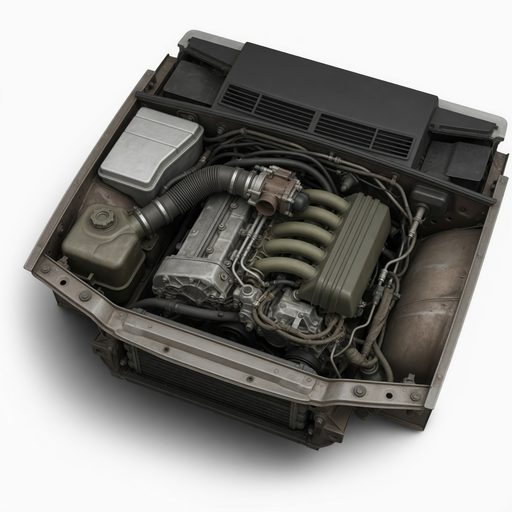
Common Causes (Ranked by Likelihood)
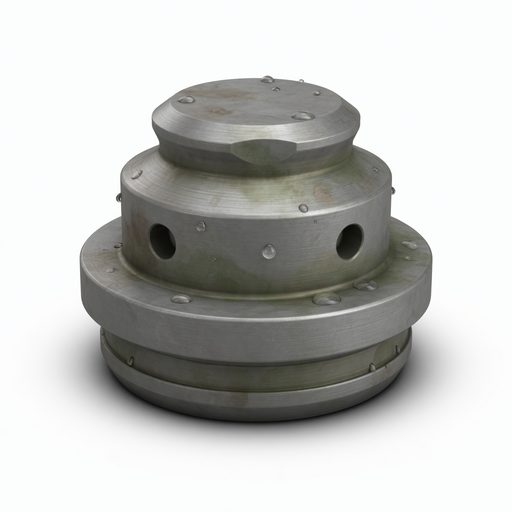
The valve cover gasket seals the top of the engine and prevents oil from leaking out. As it ages and hardens, it cracks and allows oil to seep onto the hot exhaust manifold directly below it, creating a strong burning oil smell. This is the single most common source of oil smell in older vehicles.
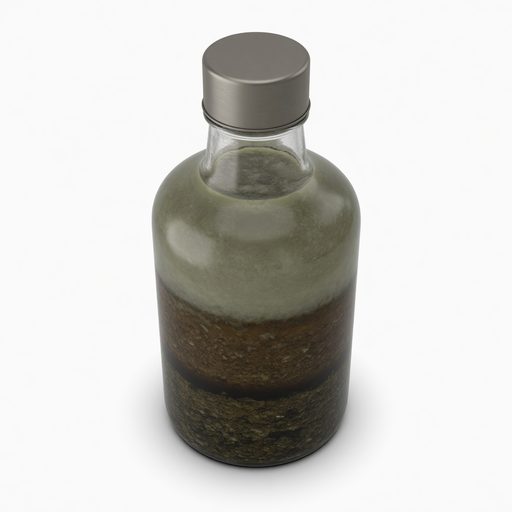
Adding too much oil causes excess pressure in the crankcase, forcing oil past seals and into the combustion chamber or out through gaskets. Burning oil in the combustion chamber produces blue-gray exhaust smoke and a distinct burning oil smell from the exhaust pipe.
The oil pan sits at the bottom of the engine and holds the engine oil. Its gasket or drain plug can develop leaks, dripping oil onto the hot exhaust components underneath the car. You may notice small oil spots under where you park.
After a DIY or shop oil change, oil is sometimes spilled on the engine block, exhaust manifold, or surrounding components. This oil burns off over the next few drive cycles producing a noticeable smell that disappears on its own once the residue burns away.
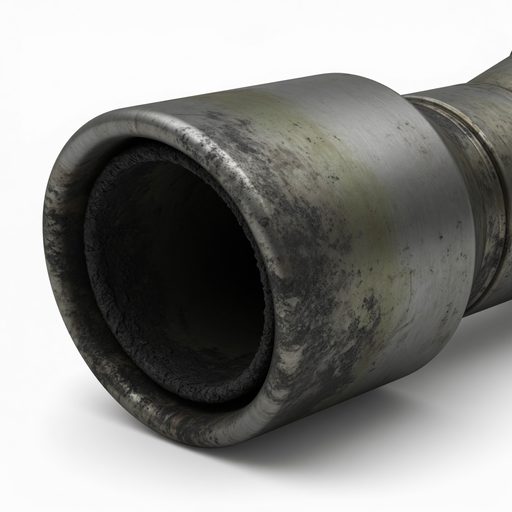
Worn piston rings or valve stem seals allow engine oil to enter the combustion chamber where it burns with the fuel. This is an internal engine problem that produces blue smoke from the exhaust and burning oil smell. It typically affects high-mileage engines.
Turbocharged engines have oil-lubricated turbochargers. If the turbo oil seals wear out, oil enters the intake or exhaust stream, burning and producing a strong oily smell. Blue smoke from the exhaust is a telltale sign.
How to Fix It
Check and Correct Oil Level
FreeAlways check the oil level first. An overfilled crankcase is an easy fix and rules out a simple cause before spending money.
- 1Park on level ground and wait 10 minutes after shutting off the engine.
- 2Pull out the oil dipstick, wipe it clean, reinsert fully, then pull it out again.
- 3The oil level should be between the MIN and MAX marks — not above MAX.
- 4If overfilled, have the excess oil drained at a shop (or drain it yourself using the drain plug).
- 5Recheck the level and confirm it's in the correct range.
Identify and Repair Oil Leak
DIY: $20–$80 for gaskets | Shop: $100–$600 depending on locationThe valve cover gasket is the most common leak point and a manageable DIY job on most engines.
- 1Clean the engine bay with degreaser to make fresh leaks easier to spot.
- 2Run the engine for 10 minutes, then let it sit for 5.
- 3Inspect around the valve cover, oil pan edges, and drain plug for wet or oily residue.
- 4Add UV dye to the oil (sold at auto parts stores), drive for a day, then scan with a UV light to pinpoint the leak.
- 5Valve cover gasket replacement requires removing the cover and replacing the rubber gasket — a 1–3 hour job.
- 6Oil pan gasket leaks may require lifting the car and dropping the pan — better left to a shop.
Clean Up Oil Spill on Engine
Under $10If the smell appeared right after an oil change, the fix is simply cleaning off the spilled oil.
- 1Let the engine cool completely.
- 2Use an engine degreaser spray on any visible oil residue on the engine block, manifold, and surrounding areas.
- 3Wipe down accessible areas with shop rags.
- 4Start the engine and let it warm up — remaining residue will burn off.
- 5Repeat if necessary after 1–2 more drives.
When to Call a Professional
Oil dripping onto the exhaust manifold or catalytic converter is a fire risk if the leak is severe.
Ignored oil leaks lead to low oil level, which causes accelerated engine wear and potential engine failure.
Blue smoke from the exhaust alongside burning oil smell can indicate internal engine damage — get it diagnosed quickly.
A burning oil smell in the cabin (not just the engine bay) can indicate a more serious leak onto heating components.
How to Prevent It
Check your oil level monthly and before long trips — 30 seconds that can prevent expensive repairs.
Change oil on schedule — old, degraded oil breaks down seals faster.
Don't overfill oil during changes — stay between the MIN and MAX marks.
Inspect for oil spots where you regularly park — catch leaks early when they're cheap to fix.
Have the engine bay inspected for leaks at every oil change.
Frequently Asked Questions
It can be. Oil burning on hot exhaust components is a fire risk if the leak is significant. Even without fire risk, low oil from a leak will cause engine damage. Always investigate the source rather than ignoring it.
Small leaks may not drip onto the ground but still contact hot engine surfaces. An overfill can cause oil to burn internally. Use UV dye in the oil and a UV light to find small leaks that aren't visible to the naked eye.
Not long without knowing the cause. If your oil level is normal, the smell is faint, and it appeared right after an oil change, it may be residual spill. But if the oil level is dropping, stop driving until you've identified the leak.
Almost always because oil was spilled during the change and is burning off the hot engine. This should resolve within a few drive cycles. If the smell persists beyond 3–4 drives, the oil level may be too high or a new leak was disturbed.
A valve cover gasket (most common fix) costs $20–$80 in parts and 1–2 hours of labor at a shop ($100–$250 total). An oil pan gasket is $200–$500. Internal engine wear (piston rings) is a $1,500–$4,000+ repair. Start with a leak inspection.