Does this match what you’re noticing?
“New pads, rotors, or a brake job within the last few days”
Most Likely Causes (Ranked)
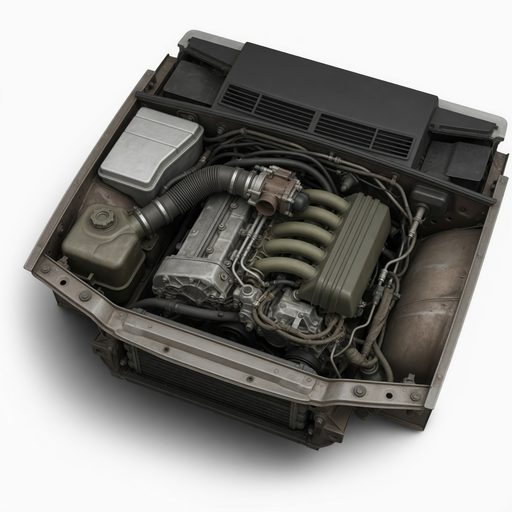
Right after a brake job, the smell most often comes from the new pads themselves: the resin in them is still curing, and the heat of braking makes it polymerize into stronger bonds, releasing odorous gases as it does12. The trade magazine Brake & Front End says the right word is curing, and that calling it burning off is the thing to avoid1. Heating new pads too quickly can weaken the friction material, and those gases can contribute to fade, which is why pad makers publish a break-in procedure1. Wagner's shop version is about 20 stops from 30 mph with at least 30 seconds between, and no panic stops; Akebono pads come pre-burnished and only ask for 400 to 500 miles of moderate driving43. Different pad formulations and molding methods produce different odors, and the magazine suggests switching brands if smell complaints persist1. Firestone's line: don't be alarmed unless braking power drops or the smell lasts longer than a few days2.
Brakes stop the car with friction, friction makes heat, and overuse or aggressive braking can overheat them2. Carbuyer says the smell typically shows up shortly after an emergency stop from higher speed or after prolonged downhill braking, and more often in heavier vehicles6. The danger is fade: Georgia DDS's mountain-driving guidance explains that hot brakes need more pedal pressure for the same stopping power, and if you keep using them hard they can keep fading until you cannot slow down or stop at all8. Montana's driver-education fact sheet says frequent brake use can overheat the fluid and cost braking efficiency when it is most needed, and that aging fluid takes on moisture that lowers its boiling point7. Overheated brakes may also squeal or give a spongy pedal2. Brakes used hard without time to cool can glaze, hardening the pad surface so it grips less54.
The caliper presses the pads onto the rotor and has to slide back off when you release the pedal. When the slide pins rust or lose their lubrication, or the piston's rubber seal fails or corrodes, the caliper can't move freely and a pad keeps dragging on the rotor911. Road salt, sand, and dirt work into the hardware, and cars left parked outdoors for long periods are prone to it910. That one dragging brake can run very hot, with what Haynes calls a distinctive acrid smell and possibly smoke, and the car often pulls to one side when braking10. Mavis says a smoking wheel almost always means a stuck caliper9. Other signs are pads that wear quickly, the piston-side pad wearing much faster when the pins are seized, and fuel economy dropping as the engine works against the drag10119. Left alone, a sticking caliper can overheat and warp the rotors and reduce braking power9.
Driving with the parking brake still engaged forces the car to move against it, which Firestone calls a recipe for excessive heat in the braking system2. NuBrakes adds that the constant drag can wear pads and rotors early and boil the brake fluid5. If you're sure it was off, the mechanism itself may be hanging up: Haynes says a handbrake cable or mechanism that sticks can affect the rear brakes, and a seized caliper piston can make the car feel as if the parking brake is on10. Haynes lists prolonged inactivity plus corrosion, especially on cars parked outdoors, as a cause of seized brakes10. After any drive with it on, Firestone's advice is a brake check2.
Many pads carry a small metal tab, the wear indicator, that rubs the rotor and squeals when the friction material is nearly gone14. Ignore it, or run pads without one, and the pad's metal backing plate ends up in direct contact with the rotor: you hear metal-on-metal grinding and may feel vibration in the brake pedal14. NuBrakes says that metal-on-metal friction overheats the brake and produces a burning smell5. A rotor worn below its recommended thickness has to be replaced rather than resurfaced14. AAA lists a high-pitched or grinding noise as the sign pads need replacing and puts pads at $150 to $350 per axle, or $250 to $500 per axle with rotors13. O'Reilly's advice while they grind is to drive as little as possible until the brakes are inspected14.
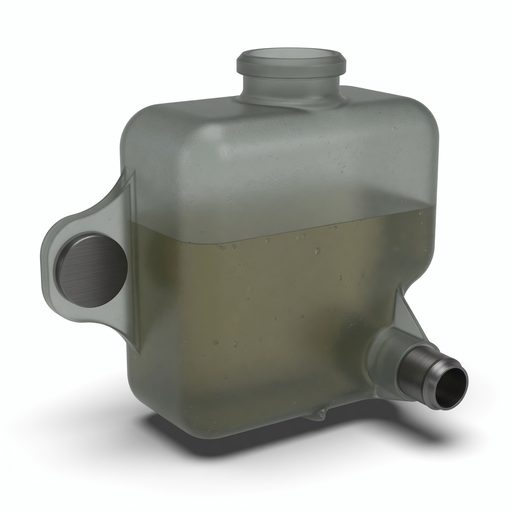
Fluid that leaks onto hot pads or rotors can burn and produce a noticeable smell, NuBrakes notes5. Haynes lists a faint chemical smell or moisture near a wheel as signs fluid is escaping, and says low fluid often traces back to a leak at a caliper, wheel cylinder, hose, line, or the master cylinder15. RepairPal's caliper estimator also lists fluid leaking from the wheel well among the signs of a failed caliper12. The smell is the small problem here. A system losing fluid loses pressure, and air that gets in compresses more than fluid, so the pedal goes soft and braking response drops15. Haynes says not to drive again until braking feels normal and the cause is fixed15. Moisture in old fluid also corrodes calipers from the inside, one reason Haynes recommends flushing the system about every two years10.
How to Fix It
Pull over, let the brakes cool, and find the hot wheel
$0Do this first whenever the smell comes with smoke, a pull, or a pedal that feels different, and after any hot run before you drive on.
- 1If the pedal goes soft or sinks while you're moving, lift off the accelerator, press the brake with steady force and pump it a few times, downshift if your car allows it, and turn on the hazards15.
- 2Steer to a safe shoulder, parking area, or exit without sharp turns; if you need the parking brake to slow down, apply it slowly and gently, since a sudden pull can cause loss of control on some surfaces15.
- 3Once stopped, turn off the engine and let the car cool down, and make sure the parking brake wasn't left on5.
- 4When it's safe, check the tires and wheel hubs for extreme heat or smoke5. Carefully touch each alloy wheel: they should be cool, and one warm wheel is a sure sign of a binding brake at that corner6.
- 5Look for moisture on or near each wheel and check the brake fluid reservoir; a faint chemical smell or wetness near a wheel means fluid is escaping15.
- 6Don't drive on if a wheel was smoking, the car pulls, or the pedal still feels low or inconsistent; arrange a tow or roadside assistance instead915. If every wheel cooled evenly and the pedal is normal after a long descent, drive on gently, avoid further heavy braking, and get the brakes checked if it keeps happening5.
Bed in new pads the way the maker says, then drive gently
$0Use this after new pads or rotors, when the smell is even across the car, the pedal is normal, and nothing pulls.
- 1Find the break-in procedure for your pad brand and follow it to the letter; procedures differ by manufacturer13.
- 2Some pads need none: Akebono pads are pre-burnished, and Akebono and Bosch ask only for 400 to 500 miles of moderate driving without heavy braking3.
- 3With no specific instructions, Wagner's shop procedure is about 20 complete stops from 30 mph, or 20 slowdowns from 50 to 20 mph, with light to moderate pedal pressure and at least 30 seconds between applications to cool4.
- 4No panic stops, and no high-speed or heavily loaded stops during break-in; they can glaze or damage the new linings4. Brembo warns that extremely sharp or violent braking can overheat the friction material3.
- 5If your procedure ends with hard stops, keep rolling rather than holding the car at a stop on the brakes, and don't set the parking brake until the brakes have cooled; Hawk's instructions spell out both3.
- 6Drive gently for a couple of days; most pad compounds need up to 300 to 400 miles to lay down an even film on the rotors43. If the smell lasts longer than a few days or braking feels weaker, have the brakes checked2.
Check the parking brake and pin down the dragging corner
$0Use this when the smell seems to come from one wheel or the rear, or the car feels held back.
- 1Confirm the parking brake lever, pedal, or button is fully released; driving with it engaged builds excessive heat in the braking system2.
- 2Drive a short distance without braking hard, then carefully touch each alloy wheel; the warm one is the binding brake6.
- 3Note whether the car pulls to one side when you brake, or feels as if the parking brake is still on; both point to a seized caliper piston or slide pins, or a parking brake cable that is hanging up109.
- 4If the warm wheel is at the rear and the parking brake was off, the cable or mechanism may be sticking; Haynes says to lubricate it periodically to keep it from hanging up10.
- 5If you drove any distance with the parking brake on, have the brakes checked, since the drag can wear pads and rotors early and boil the fluid25.
- 6Don't keep driving on a dragging wheel: Mavis says pulling, burning smells, or smoke mean stop driving and get professional brake service9.
Free or replace the caliper, and replace worn pads and rotors
$150-$968The repair for a stuck caliper, pads worn to metal, or a fluid leak; a shop job on most cars.
- 1Seized slide (guide) pins: Bendix's fix is to pull the pins and regrease them with a brake lubricant (it specifies its own ceramic synthetic grease), replacing pins that are worn11.
- 2If that doesn't free the brake, the caliper needs a rebuild or replacement11. Haynes notes that a rebuilt caliper that seized from corrosion has a high likelihood of seizing again, and that a new caliper is the simplest option if the budget allows10.
- 3Budget for a caliper: RepairPal's national average is $898 to $968, about $749 of it parts and $150 to $219 labor (estimates updated September 3, 2026). Pads, and rotors if needed, are replaced on the opposite side too, for even braking12.
- 4Pads worn to metal: AAA puts pads at $150 to $350 per axle, or $250 to $500 per axle with rotors, at about an hour per axle and two to three hours if rotors or brake lines are involved13. A rotor below its recommended thickness is replaced, not resurfaced14.
- 5A fluid leak is fixed at its source, whether caliper, wheel cylinder, hose, line, or master cylinder, and the car should be towed rather than driven if the pedal is low15.
- 6Leave pads to a shop unless you're experienced; NuBrakes cautions that incorrect installation can cause serious brake problems5. New rotors get cleaned with brake cleaner to remove their anti-rust coating, and new pads get bedded in113.
When to Call a Professional
Smoke from a wheel, a pull to one side, or a burning smell at one corner: stop driving and get professional brake service, because a sticking caliper can overheat and warp the rotors and reduce braking power9.
The pedal goes soft, sinks, or travels farther than usual: don't drive again until braking feels normal and the cause is fixed, and arrange a tow or roadside assistance if the pedal stays low15.
Grinding when you brake: the pad's metal backing plate is on the rotor, so drive as little as possible until the brakes are inspected14.
A new-pad smell that lasts more than a few days, or braking that feels weaker: Firestone says that is when to have the brakes checked2.
The smell keeps coming back after ordinary driving: NuBrakes says to have the brakes checked if overheating happens often, and that brakes overused without time to cool can glaze5.
How to Prevent It
Downshift before a long descent and let the engine hold your speed; Montana's driver-ed fact sheet says not to use the brakes to reduce downhill speed and not to go down a hill faster than you could go up it7.
Shift down before the grade, not after speed builds: Georgia DDS warns a late downshift may leave you unable to get into gear, and forcing an automatic into a lower gear at high speed could damage the transmission8.
Have the brake fluid flushed about every two years; aging fluid takes on moisture that lowers its boiling point and corrodes calipers from the inside710.
Ask for the caliper guide pins to be checked and regreased if they are dry or seized; Bendix names seized pins as a cause of pads dragging on the rotor and wearing unevenly11.
Lubricate the parking brake cable and mechanism periodically, especially on a car that sits outdoors for long stretches, since inactivity plus corrosion is what seizes brakes10.
Frequently Asked Questions
Right after new pads, with a normal pedal, no pull, and no smoke, it is usually the resin curing, and Firestone says not to worry unless braking power drops or the smell lasts longer than a few days2. In any other situation, pull over safely, turn off the engine, and let the brakes cool5. If a wheel is smoking, the car pulls, or the pedal is soft, don't drive on: Mavis says stop and get professional brake service, and Haynes says arrange a tow if the pedal stays low915.
Usually a few days: the smell is the resin in the new pads curing, and Firestone says to have the brakes checked if it lasts longer than that12. Full break-in runs longer, since most pad compounds need up to 300 to 400 miles to lay down an even film, and Akebono and Bosch ask for 400 to 500 miles of moderate driving3. A smell that comes from one wheel only, or comes with a pull, is not break-in69.
Prolonged downhill braking heats the pads past normal, and Carbuyer names it, along with an emergency stop from speed, as when the smell typically appears6. The risk is fade: hot brakes need more pressure for the same stopping power and can keep fading until you can't slow down at all8. Next time, downshift before the descent and let the engine hold your speed instead of the brakes78.
A burning smell or smoke near one wheel means that brake is working too hard, usually because it isn't releasing: a sticking caliper piston, seized slide pins, or on a rear wheel a parking brake cable that hangs up910. Carbuyer's test is to carefully touch each alloy wheel after a drive; they should be cool, and one warm wheel is a sure sign of a binding brake at that corner6. Expect the car to pull when braking and that pad to wear faster than its partner1011.
In a manual car, a burning smell after hill starts, pulling away, or slipping the clutch through gear changes points to the clutch, which Carbuyer says can be overworked to the point of producing a burning smell6. Once is no real worry, but a frequent smell can mean the clutch is worn and slipping even under gentle pressure, or that heavy slipping and too many revs are wearing it early6. A brake smell instead follows hard stops or long downhill braking, and a warm wheel tells you which brake6.
Yes. Fluid that leaks onto hot pads or rotors can burn and produce a noticeable smell5. Haynes lists a faint chemical smell or moisture near a wheel as signs fluid is escaping, often from a caliper, wheel cylinder, hose, line, or the master cylinder15. Treat it as a braking problem, not a smell problem: if the pedal is low or soft, don't drive until it's fixed15.
They can at the very end: once the friction material is gone, the metal backing plate rubs the rotor, and NuBrakes says that metal-on-metal friction overheats the brake and causes a burning smell5. The earlier warning is a sound, not a smell, since many pads have a wear tab that squeals when they are nearly worn, followed by grinding and pedal vibration once the backing plate reaches the rotor14. AAA puts pads at $150 to $350 per axle, or $250 to $500 per axle if the rotors need replacing too13.
Sources
Every factual claim above comes from one of these. Updated November 2026.
- Brake Pad Smells And Comebacks — Brake & Front End (trade magazine)
- Why Is There a Burning Smell From My Brakes — Firestone Complete Auto Care (Sep 23, 2019)
- How Do I Bed-In New Brake Pads And Rotors? — Tire Rack
- Cleaning Disc Pad And Brake Shoe Break-In (Burnish) Procedure — Brake & Front End (procedure from Wagner Brake)
- Burning Smell from Your Brakes: Causes and Fixes — NuBrakes Mobile Brake Repair
- Car burning smells explained: Is it the clutch or something else? — Carbuyer (Antony Ingram, Sep 6, 2024)
- Module 4.2 Driving on Hills (Fact Sheet M-4.2) — Montana Driver Education and Training (Montana Office of Public Instruction)
- 2.16 Mountain Driving — Georgia Department of Driver Services
- Signs of a Sticking Brake Caliper: Symptoms, Causes & Fixes — Mavis Tires & Brakes (Thomas Sexton, Nov 13, 2025)
- Seized Brake Caliper: How To Diagnose and Fix It — Haynes Manuals
- Bendix Uneven Brake Wear Causes! — Bendix (Australia), Jun 18, 2017
- Brake Caliper Replacement Cost Estimate — RepairPal
- How Much to Replace Brake Pads — AAA Automotive
- Why Are My Brakes Grinding and Making Noise? — O'Reilly Auto Parts
- Brake Pedal Goes to Floor: How to Handle the Issue — Haynes Manuals North America (Jan 2026)
Cite or link to this guide
Citation (APA)
Link (HTML)
Free to quote with a link back. Writers, teachers and landlords: the chart at Smells You Should Never Ignore is free to embed.
Related smells
Other guides in Car & Vehicle and smells that share a cause.