Common Causes (Ranked by Likelihood)
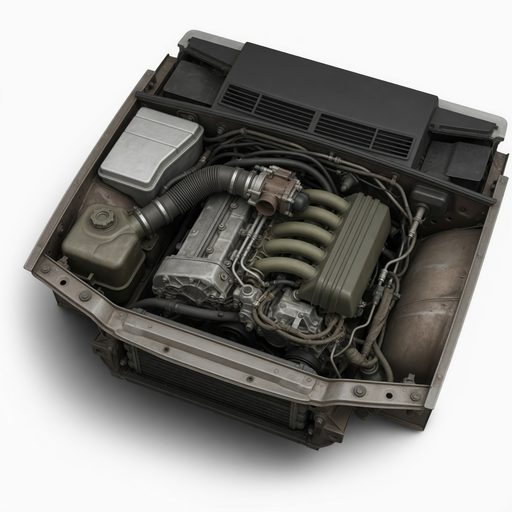
Your engine runs several rubber belts — the serpentine belt, accessory belts, and timing belt. When a belt is worn, cracked, or misaligned, it can slip against a pulley and generate intense heat and a burning rubber smell. A slipping serpentine belt is one of the most common causes of this odor.
If a brake caliper seizes or a parking brake cable sticks, the brake pad stays pressed against the rotor even when you're not braking. This constant friction heats the pad and rotor, producing a burning rubber or hot metal smell. You may also notice the car pulling to one side.
In manual cars, riding the clutch or aggressive driving can cause the clutch disc to slip and overheat. The friction material on the clutch is similar to brake pad material, so the smell is a sharp burning rubber mixed with a slightly chemical odor.
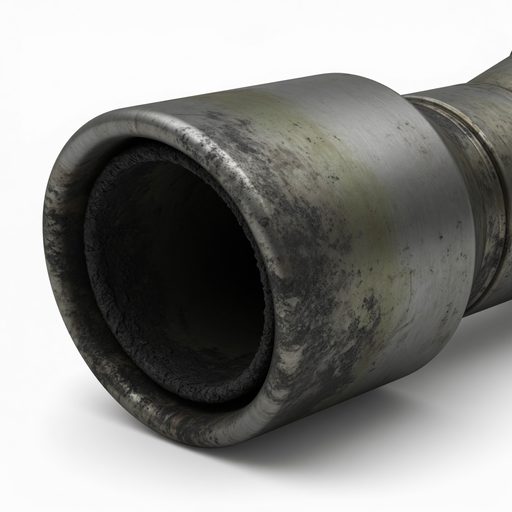
Rubber hoses, plastic covers, or even a plastic bag picked up off the road can contact the hot exhaust pipe or catalytic converter. The burning rubber smell in this case is often intermittent and can be very strong for a short period.
After a suspension repair, wheel spacer installation, or if a tire is severely underinflated, the tire can rub against the wheel arch or suspension component. This generates a burning rubber smell and can rapidly damage both the tire and the car's body.
Burning electrical insulation can sometimes be mistaken for burning rubber since wire insulation is plastic or rubber-coated. A short circuit or overloaded circuit will melt the insulation and produce an acrid smell. This is a fire hazard and needs immediate attention.
How to Fix It
Inspect and Replace Drive Belts
DIY: $20–$80 | Shop: $150–$400A visual inspection takes 5 minutes. Look for cracking, fraying, glazing, or misalignment on any rubber belt in the engine bay.
- 1Turn off the engine and let it cool for 20+ minutes.
- 2Open the hood and visually trace all rubber belts.
- 3Look for cracks, shiny/glazed surfaces, missing ribs, or fraying edges.
- 4Check belt tension — it shouldn't deflect more than half an inch when pressed firmly.
- 5If a belt is worn, replace it. Serpentine belt replacement is a DIY job with a wrench and belt routing diagram.
- 6Have an alignment check if a belt keeps slipping off.
Inspect Brakes for Dragging
DIY: Free check | Shop: $150–$400 per axleAfter driving, carefully touch each wheel (not the rotor — use the back of your hand near the center). One significantly hotter wheel indicates a dragging brake.
- 1Drive 5–10 minutes normally, then park.
- 2Carefully hold your hand 2–3 inches from each wheel center — compare heat levels.
- 3If one wheel is significantly hotter, that corner has a dragging brake.
- 4Check if the parking brake cable releases fully.
- 5A seized caliper requires a shop visit — it cannot safely be ignored.
- 6Replace the caliper, brake pads, and resurface or replace the rotor on that corner.
Check for Road Debris on Exhaust
FreeIf the smell came on suddenly and briefly, a plastic bag or debris may have wrapped around the exhaust or catalytic converter.
- 1Pull over safely and turn off the engine.
- 2Wait 10–15 minutes for things to cool slightly.
- 3Using a flashlight, look under the car at the exhaust pipe and catalytic converter.
- 4If you see melted plastic or debris, carefully remove it with a long stick or tongs once cooled.
- 5If you cannot locate the source, drive to a shop for a quick undercarriage inspection.
Check Tire Clearance
Free to check | Varies to fixTurn the wheel lock-to-lock and look inside each wheel arch for rubber marks or contact points.
- 1With the car on a flat surface, turn the steering wheel fully left, then right.
- 2Use a flashlight to inspect inside each wheel arch for rubber smear marks.
- 3Check tire pressure — underinflation causes the tire sidewall to bulge and rub.
- 4If tires are rubbing after recent suspension work, return to the shop for re-inspection.
When to Call a Professional
Burning rubber smell combined with smoke from under the hood is a fire risk — stop immediately.
A dragging brake that goes unaddressed can cause brake failure or wheel bearing damage.
Slipping drive belts can strand you if the alternator or power steering belt fails completely.
Burning electrical insulation is a serious fire hazard — don't ignore it.
How to Prevent It
Inspect all drive belts visually every 30,000 miles or at each oil change.
Have brakes inspected annually, or sooner if you notice pulling, noise, or vibration.
Always release the parking brake fully before driving.
Check tire pressure monthly — correct pressure prevents sidewall flexing and rubbing.
After any suspension or wheel work, do a slow low-speed check for rubbing before highway driving.
Frequently Asked Questions
Depends on the cause. If the smell is faint and appeared briefly (road debris), it may be fine. If the smell is strong, continuous, or accompanied by pulling, squealing, or smoke, stop driving and diagnose it first. Dragging brakes and slipping belts can both cause sudden failures.
Smell during braking almost always points to overheated brake pads. This can be normal after very aggressive braking, but if it happens during normal driving it signals a dragging caliper, worn pads that are metal-on-metal, or a stuck parking brake.
A faint smell after extended highway driving is less concerning, but noticeable burning rubber after normal driving is not normal. Check your brakes, belts, and look for any debris wrapped around the exhaust.
Yes, if the tire is rubbing against the wheel arch or a suspension component due to sidewall bulging from underinflation. Check and inflate all four tires to the recommended PSI found on the door jamb sticker.
Completely depends on the cause. A replacement serpentine belt is $20–$80 in parts (plus labor). A seized brake caliper is $150–$400 per corner. A clutch replacement is $500–$1,200. Start with a free visual inspection before assuming the worst.