Common Causes (Ranked by Likelihood)
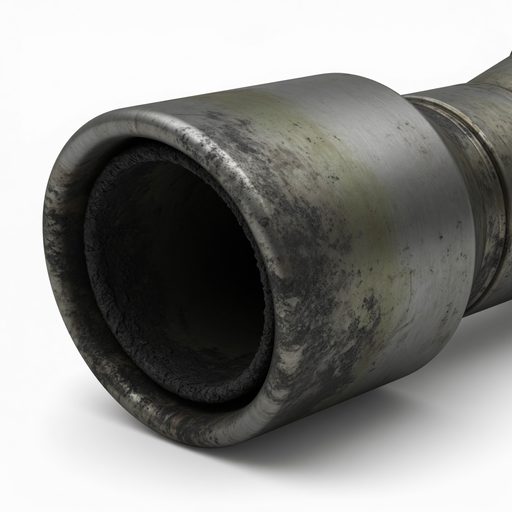
Exhaust pipes, catalytic converters, and mufflers reach 400-1,000°F during normal operation. A plastic bag, wrapper, or piece of debris that contacts the exhaust while driving produces an intense burning plastic smell that can persist for several minutes as the material burns off. This is the most common cause of a sudden burning plastic smell that appears while driving in traffic. The smell usually resolves within minutes and leaves no lasting issue.
Electrical wiring insulation (made of plastic) burns when a short circuit or overloaded circuit generates heat. Causes include a blown fuse that damaged nearby wiring, an aftermarket accessory installed incorrectly, rodents chewing wiring insulation, or aging wire insulation cracking and creating shorts. Electrical burning has a distinct sharp, acrid plastic smell — not the softer smell of debris on the exhaust. This is a fire risk.
Brake pads contain phenolic resin and other polymers that produce a burning chemical-plastic smell when overheated. This happens from extended downhill braking, riding the brake pedal, or a stuck brake caliper applying constant pressure. The smell comes from the wheels, not the engine bay, and may be accompanied by reduced braking performance. A stuck caliper will also cause the vehicle to pull to one side.
The HVAC blower motor runs an electric motor with plastic components. When bearings fail, the motor overheats and produces a burning plastic/electrical smell that comes through the vents. Similarly, a clogged cabin air filter causes the blower motor to work harder and overheat. A heater core leak can cause a sweet, slightly plastic smell through vents from coolant burning on hot components.
New vehicles and newly installed parts (particularly rubber hoses, gaskets, and plastic components near the engine) go through a 'cure' period where manufacturing oils and residues burn off during initial heat cycles. This produces a burning plastic or chemical smell during the first several drives. Usually resolves after 3-5 heat cycles. If the smell persists beyond this, it's not break-in off-gassing.

A failing or clogged catalytic converter runs extremely hot (internal temps can exceed 2,000°F when failing). This can melt nearby plastic components or wiring insulation, producing a burning smell. Associated with rotten egg smell (unburned sulfur from the exhaust), reduced power, poor fuel economy, and a check engine light. Catalytic converter failure is expensive but distinct.
How to Fix It
Inspect for Debris on Exhaust
$0First check for the most benign cause.
- 1Let the car cool completely before getting under it — exhaust components stay extremely hot for 30-60 minutes after driving.
- 2Visually inspect the exhaust pipe, catalytic converter, and muffler for melted plastic or material. It will be visible as a dark residue.
- 3If visible: the debris has already burned off. The smell resolves on its own. No action needed.
- 4If the smell returns on future drives without new debris: the exhaust has an oil leak dripping onto hot components — check for oil leaks.
Check for Electrical Issues
$0-500+For acrid electrical burning smell — treat as urgent.
- 1Check all fuse boxes (under the hood and in the cabin) for blown fuses. A blown fuse with a burnt smell from the fuse box indicates a wiring issue.
- 2Inspect the engine bay for visibly melted or burnt wiring insulation. Look particularly near the battery, alternator, and starter.
- 3Check for rodent evidence — droppings, chewed materials, nests. Rodents chewing wiring is an increasingly common cause.
- 4Do not ignore electrical burning smell — wiring fires can progress rapidly. If you can't identify the source, have a mechanic diagnose it before continuing to drive.
- 5Aftermarket accessories: check that they are correctly fused and wired. Incorrect amperage fuses cause wire overheating.
Check Brakes
$0-500For burning smell from wheel area after heavy braking.
- 1After cooling, carefully feel each wheel (don't touch the rotor or caliper) — a significantly hotter wheel than the others indicates a stuck caliper.
- 2Inspect brake pads visually if possible — worn-to-metal pads cause both burning smell and grinding noise.
- 3A stuck caliper causes the vehicle to pull to one side and one wheel to be significantly hotter. Requires caliper replacement or rebuild.
- 4After extended mountain driving, allow brakes to cool before parking — parking immediately on hot brakes after heavy use can warp rotors.
- 5If braking performance is compromised: do not continue driving until the brakes are inspected.
HVAC Maintenance
$15-300For burning smell from vents.
- 1Replace the cabin air filter — a common and cheap fix ($15-25, 10 minute DIY). A clogged filter strains the blower motor.
- 2Turn on the AC briefly — if the smell reduces, it may be moisture or debris in the evaporator rather than a motor issue.
- 3If blower motor is failing (grinding/squealing + smell): replacement is a $100-300 part plus 1-3 hours labor.
- 4Heater core leaks produce sweet smell and window fogging — requires shop diagnosis and is a significant repair ($500-1500).
When to Call a Professional
Burning smell with visible smoke from under the hood — pull over immediately, turn off the engine, get out of the vehicle; call for assistance.
Burning smell with dashboard warning lights and electrical malfunctions — stop driving and have the vehicle towed if you cannot identify and resolve the cause.
Burning smell from wheel area with brake pulling or sponginess — brake system issue; do not continue driving until inspected.
Burning smell from interior vents with increasing intensity — possible wiring fire inside the dash; stop and investigate.
How to Prevent It
Check engine bay for rodent nests before winter — they chew wiring insulation.
Replace cabin air filter every 15,000-25,000 miles to prevent blower motor strain.
Avoid riding the brake pedal on long downhill sections — use engine braking.
Have electrical work done by qualified shops with proper fusing.
Have brakes inspected annually — a stuck caliper caught early is a minor repair.
How to Tell Electrical Burning from Debris on Exhaust
The two most common causes of burning plastic smell in a car have very different characters. Debris on the exhaust produces a softer, almost sweet burning plastic smell — like a plastic bag in a bonfire — that appears suddenly in traffic and dissipates within minutes. Electrical burning has a sharper, more acrid chemical character — like burning electronics or a hot wire — and tends to persist or worsen rather than diminish.
Location is also informative. Debris on exhaust smell often seems to come from underneath the car. Electrical burning often comes through the vents (if it's inside the dash or firewall area) or from under the hood. If you turn off the fan and the smell reduces or stops, the source is in the HVAC system. If it persists regardless of fan setting, it's outside the cabin.
Frequently Asked Questions
Depends on the cause. Debris on the exhaust — yes, it burns off. Electrical burning or smoke from under the hood — no, stop driving. Brake smell after heavy braking — allow cooling before continuing, get brakes inspected. When in doubt, pull over safely and investigate before continuing.
Likely a failing blower motor, clogged cabin air filter, or debris on the heater core. Replace the cabin air filter first — it's cheap and easy. If that doesn't fix it, a mechanic should inspect the blower motor. Sweet smell plus fogged windows when heat is on suggests a heater core leak.
Normal during the first few drives. Manufacturing oils and residues on engine and exhaust components cure during initial heat cycles. Should diminish after 3-5 drives. If it persists or is accompanied by smoke or warning lights, have the dealership inspect it.
Yes — a failing converter runs extremely hot, melting nearby plastic components and producing a burning smell alongside rotten egg exhaust smell. This is accompanied by reduced power and a check engine light. It's an expensive repair but diagnosable with an OBD scanner.