
Common Causes (Ranked by Likelihood)
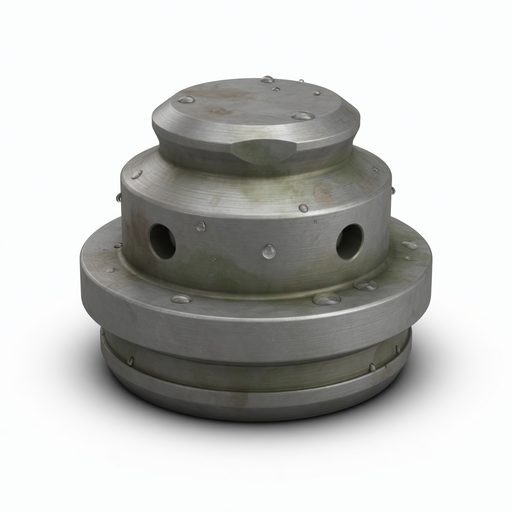
Vehicle drips, stored gas containers, and oil soaked into the concrete floor are the most common source of garage odor. Gasoline volatilizes at room temperature — a small spill or even an old stain in concrete continues to release vapors for months. Stored gasoline in cans degrades over time (gas older than 30 days starts to oxidize, 6+ months smells strongly). Lawn equipment, motorcycles, and ATVs stored in the garage each contribute their own fuel smells.
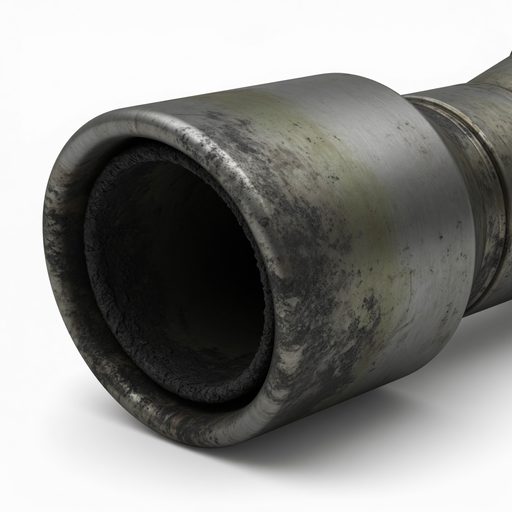
Running a vehicle in a closed or partially open garage allows exhaust gases to concentrate. Carbon monoxide — colorless and odorless — accumulates to dangerous levels before exhaust smell becomes apparent. The visible exhaust odor (sulfur, burnt fuel) is a warning. Even idling for 60 seconds in a closed garage can raise CO to harmful levels. This is the most dangerous garage odor scenario.
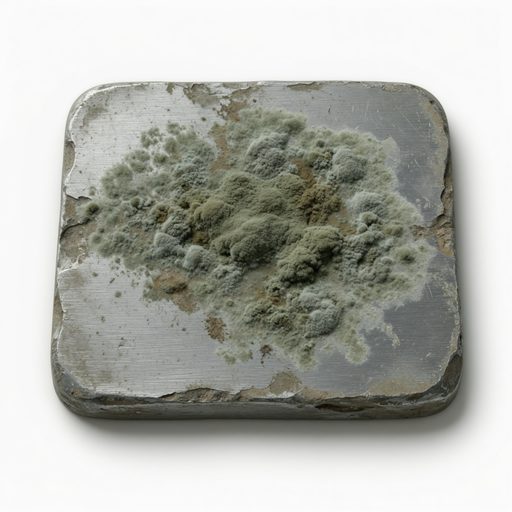
Garages have concrete floors and walls that wick groundwater moisture, and are rarely ventilated. Humidity builds up, especially in summer, causing mold on drywall, wood framing, stored cardboard boxes, and fabric items. Garages adjacent to lawns get additional moisture from the ground. The mold smell is characteristic musty-earthy and often the dominant background odor of a long-established garage.

Garages store some of the most volatile household chemicals: paints, paint thinner, turpentine, pesticides, fertilizers, pool chemicals, and cleaning products. These all volatilize at room temperature, especially in summer heat, producing chemical, petroleum, or ammonia-like smells. Opened containers, old products, or improperly sealed containers are the worst offenders. Some combinations (like bleach and ammonia-based products stored together) produce potentially toxic vapors.

Garages are prime rodent habitat — food sources (bird seed, pet food, garbage), nesting material (boxes, insulation), and easy entry points. Active rodent infestation produces a distinctive musky-urine smell from droppings and urine. Dead rodents in wall voids or under shelving produce the sweet-putrid decomposition smell. Garage environments make finding dead animals challenging due to clutter.

Garbage cans stored in the garage, especially in summer heat, produce intense decomposition odors. Organic waste — food scraps, pet waste, yard waste — decomposes rapidly at garage temperatures (garages can reach 100°F+ in summer). Even recycling bins with food residue in bottles and cans produce significant odor. This is the most straightforward cause to identify and fix.
How to Fix It
Eliminate Gasoline Sources and Clean Spills
$10-50For petroleum smell — address storage and clean the floor.
- 1Dispose of gasoline older than 3-6 months — take to a hazardous waste facility. Never pour down drains.
- 2Store remaining fuel in approved containers with tight-sealing caps. Consider storing lawn equipment fuel outside in a shed.
- 3Clean concrete oil and gas stains: apply a commercial degreaser (Simple Green, Purple Power), scrub with stiff brush, let sit 15 minutes, then rinse. Repeat for old stains.
- 4For deep stains: apply cat litter or baking soda generously, let absorb 24 hours, sweep, then degrease.
- 5Seal concrete floor with an epoxy or concrete sealer — prevents future absorption of spills.
Address Carbon Monoxide Risk
$25-50Safety first — never run vehicles in a closed garage.
- 1Install a carbon monoxide detector in the garage and one in the adjacent living space — required by code in most jurisdictions now. ($25-40 each.)
- 2Never idle vehicles in the garage — even with the door open, CO can accumulate faster than it dissipates.
- 3Check vehicle for exhaust leaks if the CO alarm triggers without an obvious running-vehicle cause.
- 4Ensure the door between garage and living space seals properly — CO and gasoline vapors can migrate into the house.
- 5If CO detector alarms: get everyone out, call 911, don't re-enter until cleared.
Control Humidity and Remove Mold
$150-500For musty mold smell.
- 1Improve ventilation: install or use a window vent fan to create air movement. Even a box fan in the doorway runs when the garage is in use.
- 2Run a dehumidifier during humid months — target below 55% relative humidity.
- 3Clean visible mold with a bleach solution (1 cup per gallon water). Wear N95 mask and gloves.
- 4Discard moldy cardboard boxes — replace with plastic bins with lids.
- 5Seal concrete walls with waterproofing paint to reduce moisture wicking.
Proper Chemical Storage
$20-50For chemical off-gassing smell.
- 1Dispose of old or unused chemicals at a hazardous waste collection event — most municipalities offer these quarterly.
- 2Store remaining chemicals in a dedicated cabinet with a door, or better yet in a small outdoor shed ventilated separately from the garage.
- 3Ensure all containers are tightly sealed. Wrap opened paint cans by placing plastic wrap under the lid before closing.
- 4Never store bleach-based and ammonia-based products in the same enclosed space.
- 5Keep chemicals off the floor in hot climates — heat increases volatilization.
When to Call a Professional
Gas smell near car or gas line in the garage — don't use any switches or create sparks; open the garage door manually and leave; call gas company from outside.
CO detector alarming or family members with headache/nausea after time in garage — leave immediately and call 911.
Sweet-putrid smell that appeared suddenly and is intensifying — dead animal; find and remove, or call pest control if in-wall.
Gasoline smell in attached garage seeping into house — immediate fire risk; identify and eliminate the gasoline source; don't use appliances until resolved.
How to Prevent It
Install a CO detector in the garage — non-negotiable for attached garages.
Never idle vehicles inside — open the door, back out, start outside.
Store chemicals in a separate outdoor shed — keeps off-gassing out of the garage entirely.
Use sealed plastic bins instead of cardboard for all garage storage.
Seal gaps in foundation and walls — prevents rodent entry.
Keep the garage floor clean and sealed — prevents fuel and oil absorption into concrete.
The Attached Garage Risk: When Garage Smells Become a House Problem
An attached garage is effectively an extension of your living space — and any gasoline vapor, CO, or chemical off-gassing in the garage can migrate through the shared wall. The door between the garage and house is typically the only barrier, and it's rarely fully sealed. Building codes now require CO detectors in garages and adjacent rooms specifically because of this risk.
Practical steps to minimize migration: ensure the garage-house door has a proper door sweep and weatherstripping; keep that door closed; never run vehicles or gas-powered equipment in the garage with the house door open; and store volatile chemicals in a detached structure if possible. If your garage regularly smells of gasoline or exhaust, treat it as a house air quality issue, not just a garage issue.
Frequently Asked Questions
Most likely: a vehicle dripping fuel, a gasoline container that isn't fully sealed, or old gas soaked into the concrete floor. First check for vehicle drips (look for staining on the floor). Then check fuel containers are sealed. Clean concrete spills with a degreaser. If you smell gas near a gas line or appliance in the garage, treat it as a gas leak — leave and call the gas company.
Yes if the smell is gasoline or exhaust. Gasoline vapors are flammable and can ignite from water heaters, furnaces, or electrical sources in the garage. Carbon monoxide from exhaust is odorless but deadly — the burnt exhaust smell that accompanies it is a warning. Install a CO detector. For mold or chemical smells, the risk is lower but chronic chemical exposure is not harmless — proper ventilation and source removal are important.
Remove the source first (sealed containers, clean spills). Apply cat litter or baking soda to absorb residual vapors from the floor, sweep, then scrub with degreaser. Ventilate aggressively — open everything, run a fan for hours. Concrete sealer prevents future absorption. Smell from old soaked-in stains can take days to fully dissipate even after treatment.
Mold on the walls, ceiling, or stored items from humidity. Garages reach 60-80% humidity in summer without a dehumidifier — well above the mold growth threshold of 50%. Get a hygrometer ($10), check the humidity, and run a dehumidifier if above 55%. Replace cardboard boxes with plastic bins and clean any visible mold with bleach solution.