
Most Likely Causes (Ranked)
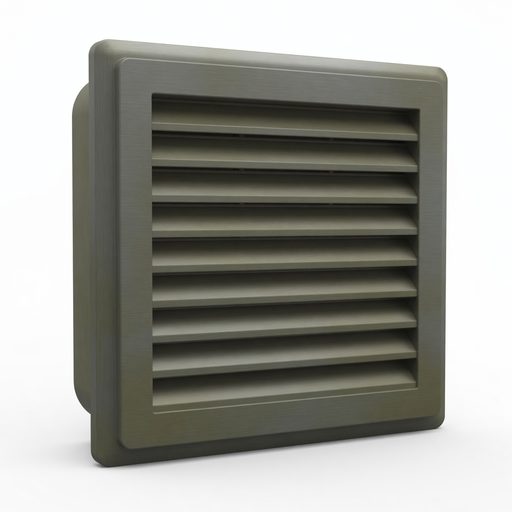
Old paint cans, gasoline containers, fertilizer, pesticides, motor oil, and cleaning products off-gas volatile organic compounds continuously. Even sealed containers leak fumes over time.
Concrete garage floors absorb and release moisture. Poor drainage, rain intrusion, and humidity create conditions for mold on walls, stored boxes, and items touching the floor.
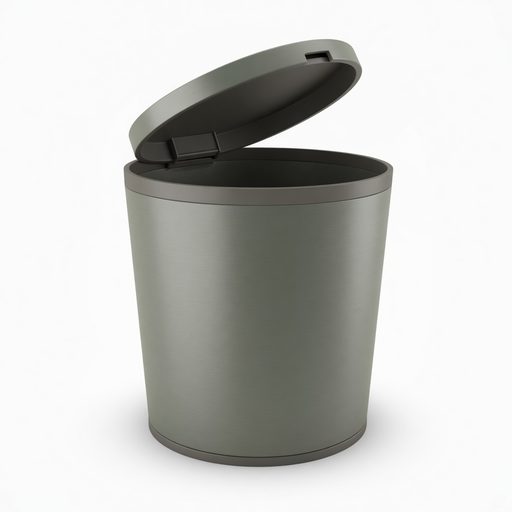
Trash cans and recycling bins stored in garages produce odor from decomposing food, liquid residue, and bacteria growth — amplified by garage heat.
Mice, rats, and other pests nest in garages, leaving droppings and urine that produce a musty, ammonia smell. Dead animals in walls or behind stored items add decomposition odor.
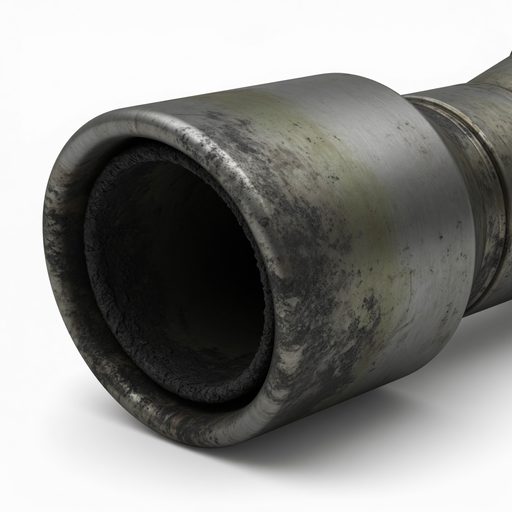
Running a car in a closed or partially open garage allows exhaust to settle on surfaces and be absorbed by porous materials like concrete and drywall.
How to Fix It
Organize Chemical Storage
$0-50Biggest odor reducer.
- 1Dispose of old paint, chemicals, and unused products at your local hazardous waste collection.
- 2Seal all remaining containers tightly. Use a metal cabinet ($40-100) for chemical storage.
- 3Never store gasoline indoors — keep in approved safety containers outside or in a detached shed.
- 4Store fertilizer and pesticides in sealed bins.
Improve Ventilation
$0-200Prevents odor accumulation.
- 1Open the garage door partially for 30 minutes daily when weather permits.
- 2Install a garage exhaust fan ($50-200) on a timer to cycle air.
- 3Never run a car engine in a closed garage — carbon monoxide risk + odor.
- 4For attached garages: seal the door to the house with weatherstripping to prevent odors entering living space.
Address Moisture
$0-300Eliminates musty/mold smell.
- 1Seal concrete floor with epoxy or concrete sealer ($50-200 DIY) to prevent moisture wicking.
- 2Elevate stored items off the floor on shelving or pallets.
- 3Fix drainage issues — water should flow away from the garage.
- 4Use a dehumidifier in humid climates ($100-250).
When to Call a Professional
Strong gasoline smell — check containers for leaks immediately. Gasoline vapor is explosive.
Exhaust smell inside the house from attached garage — CO risk. Seal the connecting door and never idle cars in the garage.
Ammonia smell with droppings — significant rodent problem. Address with traps and seal entry points.
How to Prevent It
Regularly purge unused chemicals.
Keep trash cans clean — rinse monthly with bleach solution.
Ventilate regularly.
Store items on shelving, not on the floor.
Seal entry points to prevent pests.
The Attached Garage Danger
If your garage is attached to your house, garage odors (especially chemical fumes and potential carbon monoxide risk) can enter your living space. The door between house and garage should have weatherstripping and a proper seal. Never run a car engine in an attached garage, even with the door open — CO can still enter the house.
For chemical storage, an attached garage should have its own ventilation independent of the house HVAC system.
Frequently Asked Questions
Cat litter or baking soda absorbs spilled gasoline. For ambient fumes: seal or remove gas containers, ventilate well. The smell dissipates once the source is removed.
Yes, especially in attached garages. Mold spores travel through air gaps into living spaces. Address moisture and consider sealing the common wall.
Rinse garbage and recycling bins monthly with bleach solution. Keep lids closed. Take trash out on schedule. Sprinkle baking soda in the bottom of bins between cleanings.
Sealed latex paint is generally safe. Oil-based paints and thinners are flammable — store in a metal cabinet away from heat sources. Dispose of old paint at hazardous waste events rather than storing indefinitely.