
Most Likely Causes (Ranked)

Skunks are common in suburban areas and spray under decks, near foundations, and along houses. The spray contains thiols — sulfur compounds that penetrate buildings easily and linger for days.
Natural gas is odorless, so utility companies add mercaptan — a sulfur compound that smells like skunk or rotten eggs. A gas leak is a serious safety hazard.
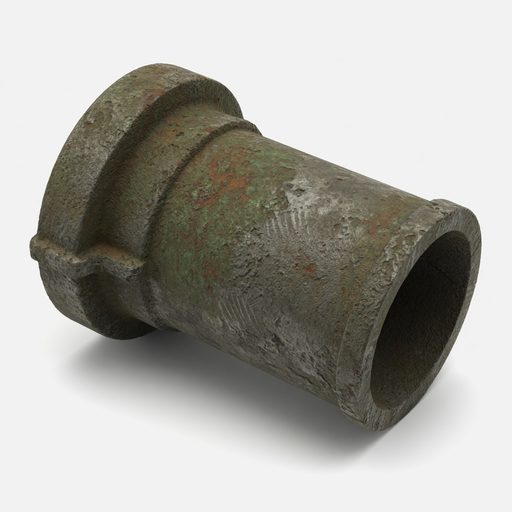
Hydrogen sulfide from sewer systems can sometimes resemble skunk spray. Dry P-traps, cracked sewer lines, or blocked vents allow sewer gas into the home.
Some cannabis strains have a distinctly skunky smell that can permeate shared walls in apartments or travel from nearby outdoor use.
How to Fix It
Rule Out Gas Leak First
$0SAFETY PRIORITY.
- 1If you suspect gas: do NOT flip light switches, use phones, or create sparks.
- 2Open windows and doors. Leave the house.
- 3Call your gas company's emergency line from outside.
- 4Gas company will send someone to test — this service is typically free.
Deal with Skunk Spray
$10-50If confirmed as actual skunk.
- 1Open all windows and run fans for ventilation.
- 2Place bowls of white vinegar around affected areas — vinegar neutralizes thiols.
- 3Wash any sprayed surfaces with a solution of hydrogen peroxide, baking soda, and dish soap.
- 4The smell naturally dissipates in 2-5 days with ventilation. Commercial skunk odor products (Nature's Miracle Skunk) speed this up.
- 5If a skunk is living under your deck/shed, contact pest control for humane removal.
Address Sewer Gas
$0-300If the smell has a sewage quality.
- 1Run water in all drains that haven't been used recently to refill P-traps.
- 2Check toilet wax rings for failure.
- 3If smell persists, call a plumber to check sewer lines and vent pipes ($100-300).
When to Call a Professional
Continuous, unexplained skunk-like smell near gas appliances — treat as gas leak. Leave and call gas company.
Headache, dizziness, or nausea with the smell — possible gas exposure. Get fresh air immediately.
Smell persists for more than a week — investigate further for hidden gas or sewer issues.
How to Prevent It
Know what natural gas smells like — mercaptan added to gas has a skunk/rotten egg quality.
Install natural gas detectors — $25-50 per unit, placed near gas appliances.
Seal gaps under decks and foundations to prevent skunk nesting.
Run water in unused drains monthly to keep P-traps full.
Gas Leak vs Skunk: How to Tell the Difference
Skunk spray has an organic, musky quality and typically fades over hours to days. It's strongest from one direction and dissipates with ventilation. Gas leak smells are more chemical/sulfurous, don't fade with ventilation, and may be strongest near gas lines or appliances.
When in doubt, always treat it as a gas leak. The gas company will come test for free, and it's better to call unnecessarily than to ignore a real leak. Gas leaks can cause explosions and carbon monoxide poisoning.
Frequently Asked Questions
Yes — skunk spray and the mercaptan added to natural gas both contain sulfur compounds (thiols). They can smell very similar. If you can't definitively identify the source, treat it as a gas leak until confirmed otherwise.
With ventilation: 2-5 days. Without ventilation: up to 2-3 weeks. Using vinegar, hydrogen peroxide, or commercial products speeds dissipation.
Yes, if you cannot definitively identify the source as an actual skunk. Gas company leak detection is free and the safest option.
Seal gaps under decks and sheds with hardware cloth. Remove food sources (pet food, fallen fruit, unsecured trash). Motion-activated lights and sprinklers deter them. Don't use mothballs — they're toxic and ineffective.