
Most Likely Causes (Ranked)

Skunk spray is primarily composed of thiol compounds — sulfur-containing organic molecules that are incredibly potent (detectable at parts per trillion), persistent, and chemically adhesive. When a car drives over a recently killed skunk, drives through a fresh spray area, or hits a skunk directly, these compounds coat the undercarriage, tires, wheel wells, and if the HVAC fresh air intake is open, the interior. The smell is then drawn into the cabin through the ventilation system and also rises from the undercarriage while the car is parked. Even small amounts of thiol adhesion to plastic components can produce a months-long odor if untreated.
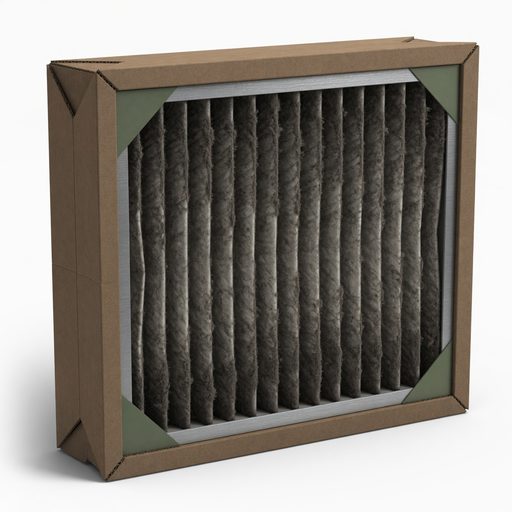
Natural gas and propane are odorless by nature; utility companies add a compound called mercaptan (specifically tert-butylthiol or ethyl mercaptan) to make leaks detectable. This odorant is structurally similar to skunk spray compounds and smells almost identical — sulfurous, skunk-like, and persistent. If your car's fresh air intake draws in air from an area with a natural gas leak (near a utility main, at a gas station with a small leak, or near a building with a gas leak), the smell enters your cabin and can persist for hours in the upholstery and cabin air filter. The smell disappears if you move the car away from the source.
The catalytic converter processes exhaust gases and converts harmful compounds into less harmful ones. A catalytic converter that's receiving too much unburned fuel (from a rich-running engine, misfiring cylinders, or oil burning) can produce a sulfurous, skunk-like smell from the exhaust. Similarly, a failing catalytic converter that's been contaminated by coolant or oil can produce strong sulfur smells. This is different from the typical rotten egg smell of a partially failing converter — in the early stages of failure, the smell can be more sulfurous and skunk-like than rotten-egg-like.
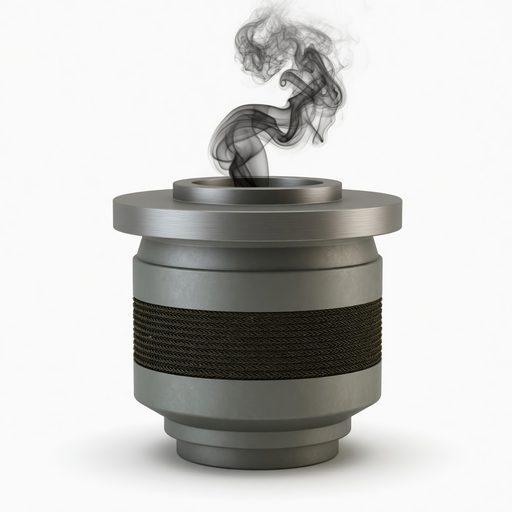
Certain types of burning electrical components — particularly when sulfur-containing rubber insulation or PVC plastic is involved — can produce a sulfurous, skunk-like odor rather than the more familiar burning rubber smell. A chafed wire rubbing against metal, an overloading fuse, or a failing motor (like a window motor or blower motor) can produce this smell intermittently before the component fails completely. The smell is often intermittent and corresponds to specific electrical operations.
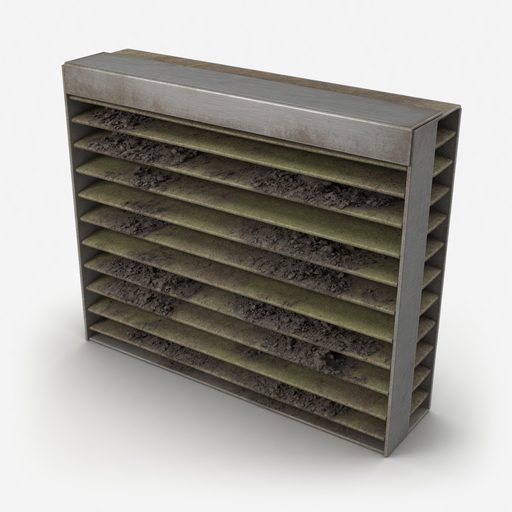
Even after the exterior of the car is cleaned of skunk compounds, the cabin air filter and HVAC system can retain and recirculate the smell for weeks. Skunk thiols are lipophilic — they bind to the activated carbon in cabin filters, the foam and plastic components of HVAC ducts, and the fabric of seats and headliner. Every time the HVAC system runs, it reactivates and disperses these trapped compounds. This is why a thorough deodorization after a skunk encounter must include the cabin filter and interior — not just washing the exterior.
How to Fix It
De-Skunk the Exterior and Undercarriage
$10-40 in suppliesIf you hit or drove near a skunk, this is the critical first treatment.
- 1Mix the professional de-skunk solution: 1 quart (3% hydrogen peroxide) + 1/4 cup baking soda + 1 teaspoon liquid dish soap. Use immediately — this solution cannot be stored.
- 2Apply to the undercarriage, wheel wells, tires, and any directly contacted surfaces using a scrub brush.
- 3Let the solution sit for 5-10 minutes, then rinse thoroughly with water.
- 4For tires: scrub with the solution and a stiff brush, getting into the tread where thiol compounds concentrate.
- 5Repeat if the smell remains strong — one application often significantly reduces but doesn't fully eliminate the odor.
- 6Commercial skunk odor eliminators (Nature's Miracle Skunk Odor Remover, Zero Odor) are enzyme-based and work on the remaining traces after the hydrogen peroxide treatment.
- 7Do not wash the car with regular car soap first — soap binds to the thiols and makes them harder to remove with the chemical treatment.
Replace the Cabin Air Filter
$15-40 DIYThe cabin filter retains skunk compounds and must be replaced after any significant skunk encounter.
- 1Locate the cabin air filter — typically behind the glove box or under the dashboard. Your owner's manual shows the location.
- 2Remove the old filter and dispose of it in a sealed bag outside immediately.
- 3Install a new activated carbon cabin filter — these are more effective at absorbing odors than standard particulate filters and are typically the same price.
- 4While the filter housing is open, spray the interior of the housing lightly with a fabric refresher or enzyme-based odor neutralizer and wipe down accessible duct surfaces.
- 5After replacing the filter, run the fan on high with fresh air mode (not recirculate) for 15 minutes to flush new air through the system.
Deodorize the Car Interior
$20-60For skunk compounds absorbed into upholstery, carpet, and hard surfaces.
- 1Clean hard surfaces (dashboard, door panels, center console) with a diluted white vinegar solution (1:1 with water) — vinegar's acidity helps neutralize thiol compounds.
- 2For fabric seats and carpet: spray generously with an enzyme-based odor eliminator (Zero Odor, Anti Icky Poo, or similar) and allow to dry completely.
- 3An ozone generator treatment ($30-50 to rent, or $75-150 at a professional detail shop) is the most effective single treatment — ozone oxidizes and destroys odor molecules including thiols. Leave car unoccupied during treatment and ventilate thoroughly before entering.
- 4Activated charcoal odor absorbers placed throughout the car interior overnight help with residual odors.
- 5Repeat enzyme treatment and airing as needed — skunk odors take multiple treatments to fully resolve.
When to Call a Professional
The skunk-like smell appears suddenly when driving with no recent skunk encounter — this may be a gas leak drawn into the cabin or an electrical fault. Stop driving and investigate.
The smell is inside the car without HVAC running and you're not near any skunks — consider a gas line leak if there's a propane or natural gas source nearby, or investigate for electrical issues.
You feel nauseous or get a headache from the smell while driving — pull over and get fresh air. Even thiol compounds from skunk spray at high concentrations can cause eye and mucous membrane irritation.
How to Prevent It
Drive with HVAC in recirculate mode at night in skunk-active areas — skunks are most active at dusk and dawn. Recirculate mode prevents drawing outside air (and skunk spray) into the cabin.
Replace the cabin air filter annually — a fresh filter with activated carbon absorbs odors before they enter the cabin and provides better filtration generally.
Keep Nature's Miracle or enzyme cleaner in the car — if you encounter a skunk, immediate treatment works significantly better than treatment after the compounds have had hours to bond.
Why Skunk Smell Is So Hard to Remove
Skunk spray's primary compounds — (E)-2-butene-1-thiol, 3-methyl-1-butanethiol, and 2-quinolinemethanethiol — belong to a class called thiols (also called mercaptans). These molecules are remarkable for two properties that make them extraordinarily difficult to remove from surfaces.
First, they're lipophilic — they preferentially bind to fats and oils, including the natural oils on skin and the polymer surfaces of plastic and rubber. Once bound, they resist simple washing with water. Second, they're volatile but persistent — the vapor pressure is high enough that they continuously off-gas smell molecules from contaminated surfaces, but the bonding means they remain on the surface for weeks if not chemically treated.
The hydrogen peroxide + baking soda + dish soap formula works because the peroxide chemically oxidizes the thiol groups into sulfoxides and sulfones, which are odorless. The dish soap breaks the lipid bond that keeps thiols adhered to surfaces. Regular soap alone doesn't produce the oxidation reaction and only partially removes thiols. This is why the chemistry matters — and why tomato juice (a folk remedy) doesn't actually work.
Frequently Asked Questions
Without treatment, skunk smell in a car can last 2-4 weeks for mild encounters and 2-3 months for direct hits or strong encounters. With proper treatment (hydrogen peroxide solution on exterior, cabin filter replacement, enzyme treatment of interior), most cars can be significantly deodorized within 1-3 days. Residual traces may persist for a few more weeks but fade to barely detectable levels.
Febreze and similar air fresheners mask odors temporarily but don't chemically neutralize thiol compounds. They may provide temporary relief but the skunk smell will return as the masking agent dissipates. Enzyme-based odor eliminators work better because they break down the odor compounds rather than covering them. The hydrogen peroxide solution is the only widely available chemistry that actually neutralizes thiols.
Baking soda alone is not effective against thiol compounds. Baking soda works by absorbing acidic compounds, but thiols are not acidic — they're neutral sulfur compounds. Baking soda placed in the car interior does help absorb some general odors and is useful as a follow-up treatment, but it shouldn't be the primary approach. The hydrogen peroxide formula is the correct primary chemistry.
It's not too late, but older skunk contamination is harder to treat because the thiols have had more time to bond deeply to surfaces. Treatment is still worthwhile: hydrogen peroxide treatment of the undercarriage (even after a delay), cabin filter replacement, and an ozone generator treatment for the interior will still significantly reduce the smell. You may need 2-3 rounds of treatment rather than one.