Most Likely Causes (Ranked)
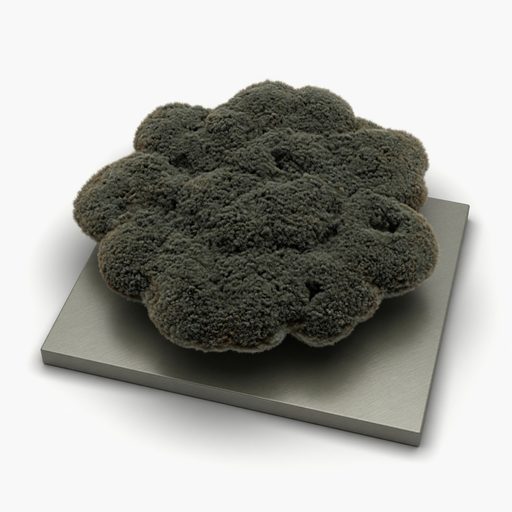
Musty smell IS mold — the odor comes from microbial volatile organic compounds (mVOCs) produced by actively growing mold colonies. The most common hidden locations: behind walls near plumbing (slow leaks you can't see), under carpet padding, inside HVAC ductwork, in attic insulation, and behind shower walls where grout has failed.
Indoor humidity above 60% creates conditions for mold growth on virtually any organic surface — drywall, wood, carpet, books, clothes. Bathrooms without exhaust fans, drying clothes indoors, and cooking without ventilation all add moisture. In humid climates, this is a constant battle.
The "stack effect" draws air upward through your house — air from a damp crawl space or basement rises into living areas, carrying musty mold spores with it. Up to 40% of the air you breathe on the first floor originates from below the house.
How to Fix It
Quick Fix
$0-10Try this first.
- 1Identify the source by following the smell to its strongest point.
- 2Clean or treat the source directly.
- 3Ventilate the area.
- 4Monitor for recurrence.
Deep Clean
$10-50If the quick fix doesn't resolve it.
- 1Remove and clean all components in the affected area.
- 2Use appropriate cleaning products (enzymatic for organic, bleach for mold).
- 3Address any moisture or ventilation issues.
- 4Consider odor absorbers (activated charcoal, baking soda).
Professional Help
$50-500When DIY doesn't work.
- 1Call the appropriate professional (plumber, HVAC tech, pest control, vet).
- 2Get a diagnosis before authorizing expensive repairs.
- 3Ask about warranties on the work.
When to Call a Professional
Smell persists despite thorough cleaning — the source may be hidden or structural.
Smell is accompanied by other symptoms — may indicate a more serious issue.
Smell appeared suddenly and is very strong — investigate promptly for safety.
How to Prevent It
Regular cleaning and maintenance prevents most odor problems.
Address moisture issues promptly.
Good ventilation is key to preventing odor buildup.
Finding the Source
The key to eliminating any persistent smell is finding the source. Complete guide to finding and eliminating musty/mold smell — room by room. Follow your nose to the area where the smell is strongest, then systematically check each possible cause listed above. Most smells have a straightforward fix once the source is identified.
Frequently Asked Questions
Start by identifying the source — the smell is always strongest near the cause. Once found, clean or treat the specific source. See the fixes section above for detailed steps.
Most household smells are unpleasant but not dangerous. Exceptions include gas leaks (rotten egg smell near gas appliances), carbon monoxide risk, and strong chemical fumes. When in doubt, ventilate and investigate.
With proper treatment of the source, most smells resolve within 24-72 hours. Persistent smells after treatment suggest the source wasn't fully addressed or there's a secondary cause.
Try the DIY fixes first. Call a professional if: the smell persists after thorough cleaning, you can't identify the source, or the cause requires specialized equipment or expertise.