
Common Causes (Ranked by Likelihood)
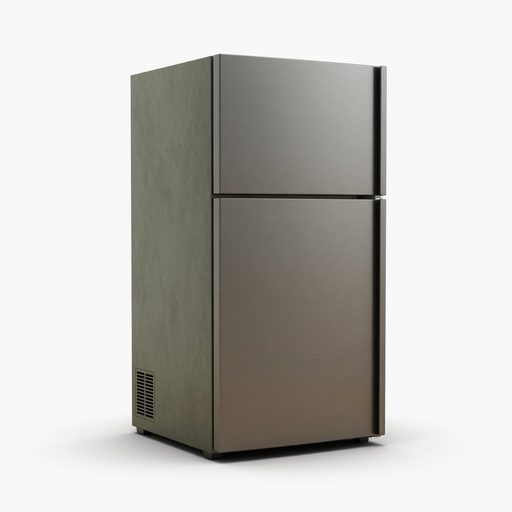
Most household HVAC refrigerants (R-410A, Freon/R-22) don't smell exactly like acetone, but some blends, especially older R-22 and certain refrigerant oils, produce a sweet chemical solvent smell that many people describe as nail polish remover. The leak can come from your central AC system, a mini-split, window unit, or refrigerator. Signs include: your AC or fridge is less effective than usual, there may be ice buildup on the coils, and the smell is strongest near those appliances.
Oil-based paints, varnishes, shellacs, adhesives, and some floor finishes contain acetone and other ketone solvents that off-gas as they cure. This smell can persist for days to weeks. Certain spray foam insulations, construction adhesives, and flooring materials also produce acetone-like odors during and after application. Renovation projects, new flooring, or refinished surfaces are a common source.
This is the obvious one — nail polish remover, acetone-based nail products, or even nail polish itself can leave a lingering smell that permeates carpets, furniture, and soft furnishings. Acetone evaporates quickly but can absorb into porous materials and slowly release. A small spill can smell for days. Aerosol nail products can spread odor throughout a home's HVAC system.
Propylene glycol (used in HVAC systems, some plumbing antifreeze, and cooling loops) can produce a slightly sweet, solvent-like smell if it leaks from radiant heating systems or geothermal heat pumps. It's less pungent than acetone but in the same family of smells. This is more common in homes with hydronic (water-based) heating systems.

When a person with diabetes (most often Type 1) has dangerously high blood sugar, their body burns fat for fuel and produces ketones — including acetone, which is exhaled in the breath. The smell can be strong enough to fill a room. This is a life-threatening condition. If someone in your household appears unwell, is unusually tired or confused, and the acetone smell is coming from their breath — this is a medical emergency requiring immediate care.
How to Fix It
Diagnose a Refrigerant Leak
$150-800Refrigerant leaks must be fixed by a licensed HVAC technician — refrigerant handling is regulated.
- 1Call an HVAC technician to inspect your AC system. They'll use an electronic leak detector to find the source.
- 2Check your refrigerator: pull it away from the wall and see if the smell is stronger behind or underneath it. Listen for any hissing.
- 3Do NOT try to add refrigerant yourself — it's illegal without certification and won't fix the underlying leak.
- 4Repair costs: simple leak repair $150-400. If the coil or major component needs replacement, $500-2,500.
- 5Ventilate the area while waiting for the technician — refrigerant leaks can displace oxygen in enclosed spaces.
Clear Paint/Solvent Off-Gassing
$0-30Time and ventilation are the main solutions for off-gassing.
- 1Open all windows and run fans to maximize air exchange — the more fresh air, the faster the smell dissipates.
- 2Run your HVAC fan (not heat/cool, just fan) to circulate air through the filters.
- 3Place bowls of activated charcoal, baking soda, or commercial odor absorbers in affected rooms.
- 4For severe off-gassing, an activated carbon air purifier filter will help remove VOCs from the air.
- 5New flooring, furniture, or painted surfaces typically off-gas most strongly in the first 2-4 weeks; expect gradual improvement.
Eliminate Nail Product Odors
$0-20Acetone evaporates but absorbs into soft materials.
- 1Ventilate immediately — open windows and run fans.
- 2If there's a spill on carpet or fabric, blot (don't rub) with a clean cloth, then sprinkle baking soda generously and let sit for 30 minutes before vacuuming.
- 3Wash any fabric that absorbed the smell with an enzyme-based laundry detergent.
- 4Run HEPA air purifier with activated carbon filter to remove airborne acetone.
- 5The smell typically resolves within 24-48 hours with adequate ventilation even without treatment.
When to Call a Professional
Lightheadedness, nausea, or difficulty breathing — evacuate and ventilate; could be refrigerant displacing oxygen. Call an HVAC technician before re-entering.
Someone in the household appears confused, very thirsty, or unwell — check if they have diabetes. A fruity/acetone breath smell with those symptoms is a DKA emergency. Call 911.
Hissing sound plus chemical smell from AC or refrigerator — refrigerant leak requiring immediate professional attention.
Smell in a closed basement or mechanical room with no obvious source — possible gas or chemical leak; ventilate and investigate professionally.
How to Prevent It
Annual HVAC maintenance includes checking refrigerant levels — catches small leaks before they become large ones.
Ventilate when using nail products or any solvent — open windows and run exhaust fans during and after use.
Use water-based paints when possible — far less off-gassing than oil-based formulas.
Keep nail polish remover and acetone-based products sealed tightly in a closed cabinet.
If you have diabetic family members, ensure they have regular checkups and have a glucometer accessible.
How to Tell Which Cause It Is
The location of the smell is your best diagnostic tool. If the smell is strongest near your AC unit or HVAC vents, refrigerant leak is the leading suspect. If it's strongest in a specific room where work was recently done, off-gassing from construction materials is more likely. If the smell moves with a specific person, immediately consider the DKA possibility.
Time of onset matters too. A smell that appeared suddenly — especially on a hot day when the AC is working hard — points to refrigerant. A smell that came on gradually after a renovation suggests off-gassing. A smell that appeared overnight with no obvious cause warrants a more systematic investigation.
You can do a preliminary check yourself: hold your hand near AC vents and see if the smell is stronger there. Pull the refrigerator away from the wall. Smell-test each room while moving closer to potential sources. If you can't identify a clear source within 30 minutes, calling an HVAC technician is the right move.
Frequently Asked Questions
Usually not immediately dangerous at the levels caused by common household sources, but it warrants investigation. High concentrations of acetone can cause headaches, dizziness, and eye irritation. The main danger is if a refrigerant leak is large enough to displace oxygen in a confined space, or if the smell is coming from a person's breath indicating DKA (a medical emergency).
In winter, the smell is less likely to be AC-related. More likely causes are: paint or adhesive off-gassing from holiday decorations, new furniture, or flooring; propylene glycol from radiant heating systems; or nail products used more indoors due to cold weather. If it started suddenly in winter and you can't identify a source, have your heating system inspected.
Some refrigerant types and refrigerant oils do produce a sweet chemical smell that resembles nail polish remover or ether. The exact smell depends on the refrigerant type and any contaminants. R-22 (older Freon) and certain hydrocarbon refrigerants are more likely to produce this smell than R-410A (the current standard). A technician can identify the source with a leak detector.
Pure acetone evaporates very quickly (20-30 minutes in a ventilated room) because it has a high vapor pressure. However, if it soaked into carpet, furniture, or drywall, it can continue off-gassing for 24-72 hours. Adequate ventilation (open windows + fans) dramatically speeds up the process. An activated carbon air purifier can help remove residual VOCs.