Why Does My Fridge Smell Like Nail Polish Remover?
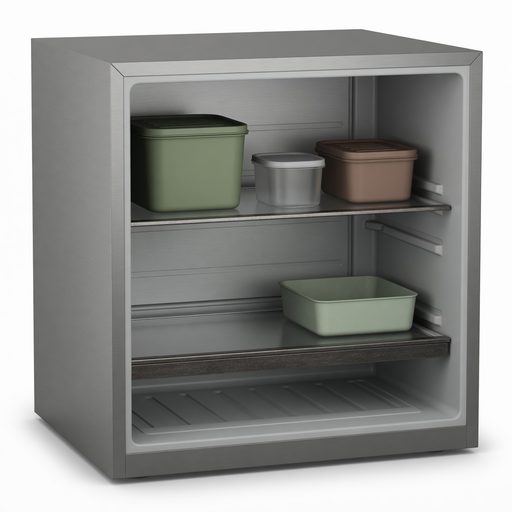
That sharp, chemical acetone smell from your refrigerator has a handful of causes — most are fixable without a technician.
Most causes are harmless (spoiled food, off-gassing plastics), but a refrigerant leak warrants prompt attention and professional repair.
Quick Answer
The most common cause is a refrigerant leak, where escaping Freon or modern refrigerant creates a sharp, chemical smell similar to acetone or nail polish remover. However, spoiled food releasing ketones, a leaking ice pack, harsh cleaning product absorption, and new plastic off-gassing can all create the exact same smell — without any appliance problem at all.
The 5 Most Likely Causes
Older refrigerators used Freon (R-22), which emits a sharp chemical odor when it leaks. Modern refrigerants (R-134a, R-600a) are largely odorless at low concentrations but can smell chemical in larger leaks. The freezer-side is usually where the leak is strongest since the evaporator coil is located there. If the fridge isn't cooling as well as usual, a leak is more likely.
Certain spoiling foods — particularly dairy, meat, and fermenting produce — release volatile organic compounds including ketones and esters as bacteria break them down. These compounds smell remarkably like acetone. Even a tiny spill hidden behind a drawer or under a shelf can generate a strong chemical-like odor that fills the entire fridge.
Gel packs and reusable ice packs contain propylene glycol or similar chemicals that can smell like acetone when they leak. Even a small crack can release enough chemical into the freezer to create a persistent smell that spreads to the fridge compartment through the air circulation system.
Refrigerator interiors are made of porous plastic that readily absorbs strong odors. If nail polish remover, paint thinner, or strong cleaning products were used nearby with the fridge door open — or if the fridge was cleaned with harsh chemicals — the plastic walls can absorb and re-release that chemical smell for weeks.
The defrost heater runs periodically to melt frost buildup on the evaporator coil in the freezer. If food debris, a piece of plastic, or packaging material has fallen near the heater, it can melt and create a sharp chemical smell that gets circulated throughout both compartments by the fridge's fan.
How to Fix It
Check and Remove Spoiled Food
FreeThe simplest fix first. Systematically check every area, including spots most people miss.
- 1 Remove everything from the fridge and freezer
- 2 Check behind and under all drawers and shelves — not just on top of them
- 3 Smell each item, especially older leftovers, dairy, and any meat
- 4 Check inside door compartments and under the vegetable crispers
- 5 Wipe down all interior surfaces with a baking soda + water solution (1 tbsp per cup)
- 6 Leave an open box of baking soda on the middle shelf to absorb residual odor
Inspect and Remove Ice Packs
FreeIf you have gel packs or reusable ice packs in the freezer, check each one.
- 1 Remove all ice packs and gel packs from the freezer
- 2 Squeeze each one gently to feel for soft spots or cracks
- 3 Smell each pack directly — chemical or sweet smell means it's leaking
- 4 Discard any cracked or leaking packs
- 5 Clean the freezer floor and walls with warm water + baking soda solution
- 6 Run the freezer empty for 24 hours with the door slightly open to air it out
Neutralize Absorbed Chemical Odors
Under $10If the fridge absorbed cleaning product or paint fumes, the plastic needs to off-gas.
- 1 Remove all food and shelving
- 2 Wipe all interior surfaces with a 1:1 white vinegar + water solution
- 3 Leave activated charcoal or fresh coffee grounds on each shelf for 24–48 hours
- 4 Run the fridge empty with a box of baking soda for several days
- 5 Increase room ventilation to accelerate the process
- 6 If using chemical products nearby in future, keep fridge closed
Inspect for Refrigerant Leak (Call a Tech)
$100–300If the fridge isn't cooling well alongside the smell, refrigerant is the likely cause.
- 1 Check if fridge temperature has risen — spoilage happening faster than normal is a sign
- 2 Feel for frost buildup that's uneven or missing in the freezer (can indicate leak location)
- 3 Do NOT attempt to recharge refrigerant yourself — requires licensed technician and special equipment
- 4 Call an appliance repair technician; ask them to check for leaks in the evaporator coil area
- 5 Note: modern refrigerants are largely odorless — if your fridge is post-2010 and cooling fine, a leak is less likely
- 6 If repair costs exceed 50% of the fridge's replacement value, consider replacing
When to Worry
Fridge is not cooling properly alongside the chemical smell — suggests a refrigerant leak that needs prompt repair
Smell is accompanied by headache, dizziness, or throat irritation — leave the area and ventilate immediately
Visible oily residue on the floor beneath the refrigerator
Smell has persisted for more than a week despite removing all food and cleaning the interior
Children or pets are present and the smell is strong — refrigerant exposure warrants extra caution
Prevention Tips
Keep baking soda on a shelf and replace it every 3 months to continuously absorb odors
Close the fridge before using nail polish remover, paint, or chemical cleaners nearby
Check gel ice packs annually for cracks and replace any that are more than 5 years old
Deep clean the fridge interior every 3–6 months, including behind and under drawers
Set fridge temperature to 35–38°F and freezer to 0°F — correct temps slow bacterial growth and reduce odors