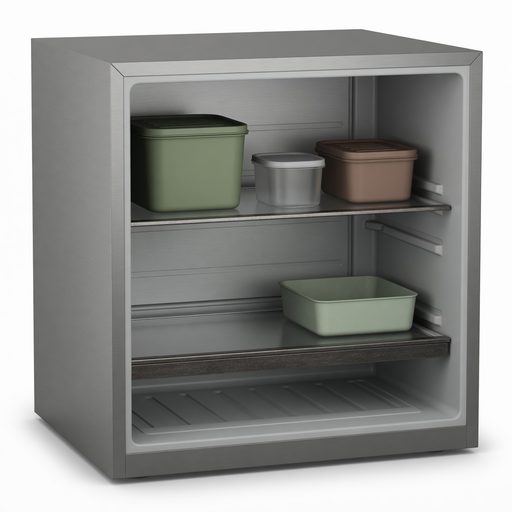
Most Likely Causes (Ranked)
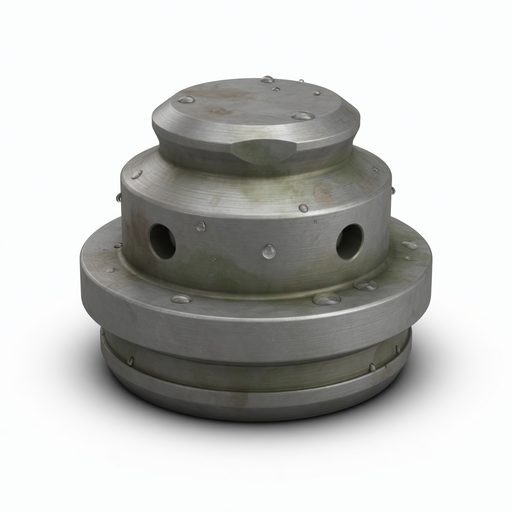
The drip pan catches condensation from the defrost cycle. Over time, it accumulates bacterial sludge from food particles and moisture. Most people never clean it because they don't know it exists.
The defrost drain at the back of the fridge interior can become clogged with food particles and ice. Stagnant water and debris decompose and smell.
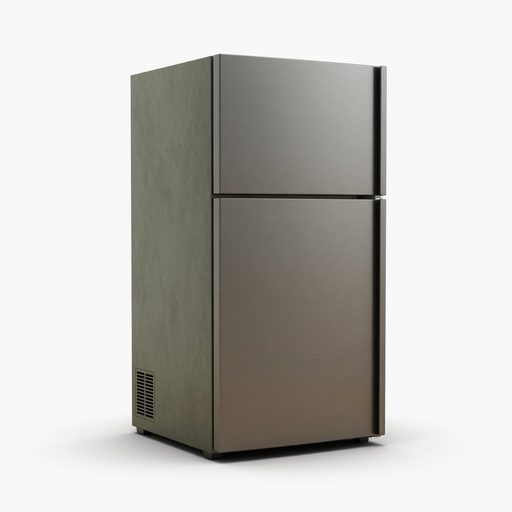
Refrigerator interior walls are plastic, which is slightly porous and absorbs odor molecules over time. A major spill or spoiled food can leave a lasting smell in the plastic.
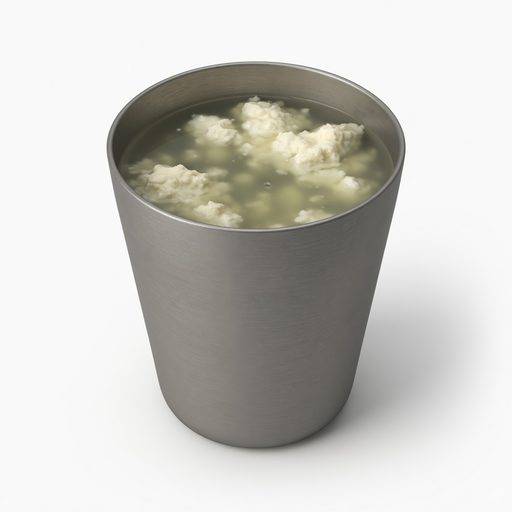
Liquid from spoiled food can drip into crevices, under drawers, and between shelves where it's not visible during routine cleaning.
How to Fix It
Clean the Drip Pan
$0The most commonly missed step.
- 1Remove the kick plate (snap-off or 1-2 screws) at the bottom front of the fridge.
- 2Slide out the drip pan carefully — it will likely contain murky water.
- 3Wash with hot soapy water and a splash of bleach. Scrub thoroughly.
- 4Replace and repeat every 3-6 months.
Clear the Defrost Drain
$0Prevents water and odor buildup.
- 1Find the drain hole at the back interior of the fridge (usually at the bottom of the back wall).
- 2Pour warm water mixed with baking soda through the drain to flush it.
- 3Use a pipe cleaner or turkey baster to clear any blockage.
- 4Repeat annually.
Deodorize Plastic Walls
$0-5For absorbed odors.
- 1Wipe all interior surfaces with a baking soda solution (2 tbsp per quart of water).
- 2For stubborn absorbed odor: wipe with white vinegar, let air dry, then repeat with baking soda.
- 3Leave an open box of baking soda inside (replace monthly).
- 4Place activated charcoal bags ($8-12) inside for ongoing absorption.
- 5For extreme cases: stuff fridge with crumpled newspaper for 48 hours — newspaper absorbs odor molecules.
When to Call a Professional
Smell persists after cleaning drip pan and drain — possible mold in insulation or compressor area (requires service).
Chemical or burning smell — possible electrical issue or overheating compressor. Unplug and call service.
How to Prevent It
Clean drip pan every 3-6 months.
Keep an open box of baking soda in the fridge.
Wipe spills immediately.
Check for expired food weekly.
Remove all contents and deep clean quarterly.
The Drip Pan: The #1 Hidden Fridge Smell Source
Most people have never seen their fridge drip pan. It's a shallow tray underneath the refrigerator that collects condensation from the defrost cycle. The water is supposed to evaporate, but food particles, bacteria, and mold accumulate in the residual moisture.
To find yours: remove the kick plate at the bottom front of the fridge (usually snaps off). The drip pan slides forward. What you find may explain why your fridge has smelled for months despite interior cleaning.
Frequently Asked Questions
Remove the kick plate at the bottom front of the fridge (it usually snaps off or has 1-2 screws). The drip pan slides out from underneath. Not all models are easily accessible — check your owner's manual.
Usually from decomposing food in the drip pan or clogged defrost drain. Less commonly from a spoiled item hidden in a crevice. Clean the drip pan first.
A dilute bleach solution (1 tbsp per gallon of water) is safe for cleaning fridge interiors. Rinse thoroughly with clean water after. For daily cleaning, baking soda solution is sufficient and food-safe.
Every 3 months: remove all food, clean all surfaces, clean drip pan. Weekly: check for expired items and wipe spills.