Does this match what you’re noticing?
“Sharp ammonia, sour or rancid smell on the raw shrimp, stronger when you lean in”
Most Likely Causes (Ranked)
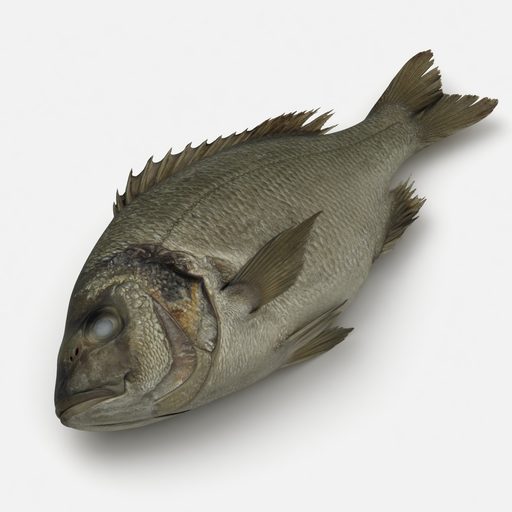
Shrimp muscle carries a lot of free amino acids and other small nitrogen compounds, and as spoilage bacteria and the shrimp's own enzymes work on them they pull the nitrogen off (deamination) and release ammonia, while also reducing the shrimp's trimethylamine oxide to trimethylamine678. Food scientists measure those gases together as total volatile basic nitrogen — ammonia, dimethylamine and trimethylamine — a value that "typically increases with microbial activity and sensory rejection"7. A 2017 Italian study that held fresh and defrosted shrimp at 2–4 °C to mimic a home refrigerator tied "a strong ammonia smell" to the high volatile-nitrogen readings of advanced decay, and a fecal odor to the amines putrescine and cadaverine that appear later6. FDA's consumer guidance makes the smell the verdict: raw spoiled seafood "can have sour, rancid, fishy, or ammonia odors," they "become stronger after cooking," and a fleeting or persistent ammonia odor in cooked seafood means do not eat it1. FDA's inspectors condemn shrimp on "definite and persistent sensory attributes indicative of decomposition" and back the nose with a chemical marker, indole4. The agency has also received consumer complaints of illness after people ate decomposed shrimp5.
Unless you live on a coast, the raw shrimp at the counter was frozen at sea or at the plant and defrosted for display; America's Test Kitchen puts it as "'fresh' shrimp likely means defrosted shrimp," and Tasting Table says the same of most shrimp sold in the U.S.1112. That matters because the clock started before you paid. FDA's storage chart allows fresh shrimp, scallops, crawfish and squid 1 to 2 days in a refrigerator at 40 °F or below, and its seafood page says to use seafood within 2 days of purchase or freeze it12. FoodSafety.gov's chart, last reviewed September 2023, is more generous at 3 to 5 days for shrimp and crayfish, so the two federal charts disagree; the FDA figure is the one to plan around3. In the 2017 study, defrosted Argentine red shrimp held at 2–4 °C showed the onset of decay "after few days of storage," with volatile nitrogen climbing from 34 to 39 mg per 100 g by that point6. FDA also warns that frozen seafood "can spoil if the fish thaws during transport and is left at warm temperatures for too long before cooking," and that frost or ice crystals on a package "may mean the fish has been stored a long time or thawed and refrozen"1. A bag that smells of ammonia the moment it thaws was usually spoiling before or between freezes, since USDA says food kept constantly at 0 °F stays safe1910.
FDA's one explicit ammonia rule is written for cooked seafood: spoilage odors "become stronger after cooking," and "if you smell either a fleeting or persistent ammonia odor in cooked seafood, do not eat it"1. So a batch that seemed borderline raw can announce itself in the pan, and cooked shrimp that has been sitting in the fridge can smell fine cold and foul when reheated. Cooking does not reset the clock. FDA's storage chart gives cooked fish 3 to 4 days in a 40 °F refrigerator and 4 to 6 months frozen for quality; it has no separate line for cooked shellfish, so treat shrimp cocktail, pre-cooked rings and last night's scampi the same way2. The fishmonger Chowhound interviewed is stricter, saying leftover cooked shrimp "will last a couple of days in the refrigerator"15. Any shrimp, cooked or raw, left out more than 2 hours (1 hour above 90 °F) sits in the 40–140 °F range where FDA says illness-causing bacteria grow quickly1. The decay products are the same ones a raw shrimp makes — ammonia and amines from bacterial breakdown of nitrogen compounds — and FDA notes decomposition can also leave biogenic amines such as putrescine and cadaverine that have the potential to cause illness567.
If the ammonia hits you from whole shrimp, the heads are the usual source. A 2024 Food Chemistry study from Zhejiang University of Technology on ammonia-like off-flavor in dried shrimp found "the head viscera, specifically the internal organs located within the head, are the main contributors," identified bacteria in that viscera as the main microbial source, and reported that batches with the heads removed and held at 0–1 °C "had no detectable ammonia odor"8. The mechanism it describes is the one above — microbes break proteins into amino acids, then deaminate them to release ammonia and decarboxylate them into biogenic amines8. That was dried shrimp, read through a trade-site summary, so take it as mechanism rather than a timetable for your refrigerator. It fits what cooks already do: America's Test Kitchen notes fresh wild shrimp usually ship head-on and that freezing "halts the enzyme activity that makes the meat mushy"11. FishWatch's quality cue for whole shrimp is the shell — "blackened edges or black spots" signal quality loss — while tiger shrimp's black lines between shell segments are normal pattern, not spots10.
Most frozen shrimp sold in the U.S. is treated with sodium tripolyphosphate (STPP), sodium bisulfite, or both12. STPP is added to peeled shrimp so they hold water and look firmer and shinier, and it can add as much as 10% to their weight; America's Test Kitchen's tasters found STPP-treated shrimp had an unpleasant texture and "a chemical taste"1112. Sulfites are dipped on shrimp at the boat to prevent melanosis — black spot — an enzyme reaction LSU's Sea Grant program calls "a harmless but objectionable discoloration" that is "NOT an indication of bacteria spoilage"1314. None of the sources we read describe either additive producing an ammonia odor; what they describe is texture, a chemical taste, and reactions in sulfite-sensitive people111214. So a soapy or chemical note on shrimp that otherwise smells clean points to treatment, but an ammonia smell is decomposition regardless of what is on the label16. If you want untreated shrimp, ATK says the only ingredient should be shrimp — added salt or STPP is a sign of treatment — and at a counter you can ask whether it was treated11. Sulfites must be declared above 10 ppm residue, but a 2020 survey found none of 51 imported packages listed them even though 43.5% of the shrimp tested carried 10–100 ppm13.
Freezer burn gets blamed for a lot, but USDA describes it as "grayish-brown, leathery spots" caused by air reaching the food's surface, says it "does not make food unsafe; merely dry in spots," and tells you to cut those portions away before or after cooking9. FishWatch lists the frozen-seafood versions: white spots, dark spots, discoloration or fading of pink flesh, plus frost or liquid inside the package10. Nothing in either source links freezer burn to an ammonia smell. Long freezer time is a quality issue, not a safety one: FDA's chart gives fresh shrimp 3 to 6 months at 0 °F for best quality (FoodSafety.gov says 6 to 18 months), and USDA says food held constantly at 0 °F "will always be safe" because freezing inactivates bacteria, yeasts and molds239. If a long-frozen bag smells of ammonia on thawing, the likely story is a thaw-and-refreeze cycle, which FDA says frost and ice crystals can betray, or shrimp that was already decomposing when it went in110.
How to Fix It
The 60-second raw check: smell, look, feel, count the days
$0Do this at the counter or the moment the bag is open, before any cooking decision.
- 1Smell it close up. FDA says shrimp flesh should have "little or no odor" and fish should not smell "fishy, sour, or ammonia-like"; FishWatch's version is that fresh seafood should smell like the ocean110. Any ammonia, sour or rancid note on raw shrimp means do not eat it1.
- 2If you're unsure, do what FishWatch suggests at the counter: rinse under cold water and smell again10. A briny, salty, mineral note is normal; a fishmonger quoted by Chowhound says any hint of ammonia means the shrimp is not fresh15.
- 3Look: raw flesh should be clear with a pearl-like color, shells translucent with a grayish-green, pinkish-tan or light-pink tint110. Blackened edges or spots signal quality loss per FishWatch, though LSU Sea Grant says early black spot itself is harmless and not bacterial; FDA adds that color alone is not an indicator of freshness11014.
- 4Feel: raw shrimp meat should be firm with a mild odor, and should fill the shell1011. "If it's slimy or mushy, that's an issue," the fishmonger told Chowhound15.
- 5Count: FDA's chart allows fresh shrimp 1 to 2 days at 40 °F or below from purchase, and the counter's shrimp was probably thawed before you bought it211. Past that, or if any check fails, throw it out.
- 6If it passes, cook it now or freeze it wrapped tightly in plastic, foil or moisture-proof paper1.
Cook one shrimp before you commit the batch
$0For a bag that smells faintly off or that you can't judge raw; FDA's clearest ammonia rule is written for cooked seafood.
- 1Sauté or boil a single shrimp from the batch. FDA says spoilage odors "become stronger after cooking," so a faint raw note becomes obvious1.
- 2Smell the pan and the shrimp as it cooks. "If you smell either a fleeting or persistent ammonia odor in cooked seafood, do not eat it" is FDA's wording, and the same rule covers sour, rancid or fishy odors1.
- 3If it fails, throw out the whole batch. FDA has received consumer complaints of illness tied to decomposed shrimp, and says decomposition can leave biogenic amines such as putrescine and cadaverine that have the potential to cause illness5.
- 4If it passes — clean, briny, mild — cook the rest to an internal temperature of 145 °F or until the flesh is firm, pearly and opaque1.
- 5Refrigerate leftovers within 2 hours and eat them within FDA's 3-to-4-day limit for cooked fish12.
Thaw frozen shrimp so it can't turn on you
$0For frozen shrimp you plan to cook in the next day or two.
- 1Thaw in the refrigerator overnight, FDA's first choice1.
- 2In a hurry: seal the shrimp in a plastic bag and immerse it in cold water, or use the microwave's defrost setting and stop while the shrimp are still icy but pliable, then cook right away1. USDA lists refrigerator, cold water and microwave as the only three safe thawing methods and warns against the counter, the porch, the garage, a car or a dishwasher9.
- 3Keep thawed shrimp at 40 °F or below until you cook it; FishWatch says as close to 32 °F as possible, which in practice means a bowl set on ice in the fridge110. Cook within FDA's 1-to-2-day window for fresh shrimp2.
- 4Don't refreeze unless it thawed in the refrigerator. USDA says refrigerator-thawed food is safe to refreeze without cooking, with some loss of quality, and FDA warns that ice crystals on a package can mean thawed-and-refrozen product19.
- 5Smell it as it thaws. Raw spoiled seafood can smell sour, rancid, fishy or of ammonia, and any of those means stop1.
Buy shrimp that won't smell by the time you cook it
VariesThe frozen case usually beats the "fresh" counter, because the counter shrimp was frozen too and has been thawing since it went on display.
- 1Buy frozen, individually quick-frozen (IQF) shrimp rather than a block, so you thaw only what you need; America's Test Kitchen notes most U.S. shrimp is imported and has been frozen anyway, so "'fresh' shrimp likely means defrosted shrimp"11.
- 2Reject packages that are open, torn or crushed at the edges, that show frost or ice crystals, or whose shrimp are bendable rather than hard1. FishWatch adds: no liquid in the bag, no white or dark spots or fading, and nothing stacked above the display freezer's frost line10.
- 3Read the ingredient line. ATK says it should list only shrimp; added salt or sodium tripolyphosphate means treatment, which its tasters found gave an unpleasant texture and a chemical taste11. Sulfites must be declared above 10 ppm, but a 2020 survey found none of 51 imported packages declared them while 43.5% of the shrimp tested carried 10–100 ppm, so sulfite-sensitive people can't rely on the label alone13.
- 4At a counter, buy only shrimp displayed refrigerated or on a thick bed of fresh ice, and smell before you pay: fresh or thawed shrimp "should smell like the ocean," and a strong ammonia smell means it is old, per the fishmonger Chowhound interviewed115. Ask whether it was treated with STPP11.
- 5Get it cold fast: on ice or in the refrigerator or freezer soon after buying, and cook within 2 days or freeze it tightly wrapped1.
When to Call a Professional
You ate shrimp that smelled of ammonia and now feel ill: FDA has received consumer complaints of illness associated with eating decomposed shrimp, and says decomposition can form biogenic amines such as putrescine and cadaverine that "have the potential to cause illness" — tell a doctor what you ate and when5.
Wheezing, hives or trouble breathing after eating shrimp: sulfite residue is permitted on shrimp up to 100 ppm and must be labeled above 10 ppm, yet none of 51 imported packages in a 2020 survey declared it; Tasting Table reports sulfite reactions ranging from wheezing to anaphylaxis, with asthmatics most at risk, so get emergency help for any breathing trouble1213.
Restaurant shrimp smells of ammonia: FDA's rule for cooked seafood is do not eat it, whether the smell is fleeting or persistent — send the dish back1.
How to Prevent It
Buy frozen IQF shrimp with intact packaging and no frost, ice crystals, liquid or bendable pieces, and thaw only what you'll cook11011.
Keep raw shrimp at 40 °F or below, ideally on ice as close to 32 °F as FishWatch recommends, and check the fridge with a thermometer110.
Cook or freeze within FDA's 1-to-2-day window (FoodSafety.gov allows 3 to 5; plan for the shorter), wrapped tightly in plastic, foil or moisture-proof paper for the freezer123.
Thaw in the refrigerator overnight, in a sealed bag in cold water, or in the microwave followed by immediate cooking — never on the counter — and refreeze only shrimp that thawed in the fridge19.
Frequently Asked Questions
No. FDA's consumer guidance says spoilage odors get stronger with cooking and that "either a fleeting or persistent ammonia odor in cooked seafood" means do not eat it1. The problem isn't only live bacteria that heat kills: FDA's hazards guidance says decomposition can produce biogenic amines such as putrescine and cadaverine that "have the potential to cause illness," and the agency has received consumer complaints of illness after people ate decomposed shrimp5. Throw it out.
Freezing stops decay but doesn't undo it. USDA says freezing to 0 °F "inactivates" bacteria, yeasts and molds and that food held constantly at 0 °F "will always be safe"; it does not say freezing reverses what already happened9. FDA warns frozen seafood "can spoil if the fish thaws during transport and is left at warm temperatures for too long," and that frost or ice crystals in the package "may mean the fish has been stored a long time or thawed and refrozen"1. FishWatch lists the same cues — ice crystals, frost or liquid inside the bag10. Ammonia on thawing is a discard, not a quirk of freezing1.
FDA says fresh shrimp flesh should have "little or no odor," and for cooked seafood it draws no line between faint and strong: "either a fleeting or persistent ammonia odor" means do not eat it1. FDA's own inspectors condemn shrimp on "definite and persistent sensory attributes indicative of decomposition" and back the nose with a chemical marker, indole at 25 micrograms per 100 grams or more4. The fishmonger Chowhound interviewed puts it simply: any hint of ammonia means the shrimp is not fresh, and a briny, salty, mineral smell is the only normal one15.
The federal charts disagree. FDA's refrigerator chart gives fresh shrimp, scallops, crawfish and squid 1 to 2 days at 40 °F or below, and its seafood page says use within 2 days of purchase or freeze12. FoodSafety.gov's chart, last reviewed September 2023, lists shrimp and crayfish at 3 to 5 days3. Since most "fresh" shrimp was thawed before you bought it, and a 2017 study saw defrosted shrimp begin to decay after a few days at 2–4 °C, plan around the FDA number611.
Not by itself. LSU's Sea Grant program describes black spot (melanosis) as "a harmless but objectionable discoloration" caused by enzymes naturally present in the shrimp, and says these color changes are "NOT an indication of bacteria spoilage"; a 2020 paper agrees it doesn't harm human health but lowers commercial value1314. FishWatch still treats blackened edges or spots as a sign of quality loss, and the fishmonger quoted by Chowhound says they can be a telltale sign of spoilage, so the sources split1015. Let smell and texture decide: an ammonia or sour smell, or slimy, mushy meat, is the verdict; spots alone are not115. Tiger shrimp's black lines between shell segments are normal pattern10.
We couldn't find a source that says so. What the sources describe is different: STPP makes peeled shrimp hold water and look firmer, can add up to 10% to the weight, and gave America's Test Kitchen's tasters an unpleasant texture and "a chemical taste"; sulfites are dipped on at the boat to prevent black spot and can trigger reactions in sulfite-sensitive people111214. Neither is described as smelling of ammonia. An ammonia smell is decomposition — ammonia and amines from bacterial breakdown of the shrimp's nitrogen compounds — and FDA says not to eat it whatever the label says167.
Because heat amplifies spoilage odors; FDA states that the sour, rancid, fishy and ammonia odors of spoiled seafood "become stronger after cooking"1. Shrimp that was borderline raw — a day or two past FDA's 1-to-2-day window, or thawed for days on display before you bought it — crosses the line in the pan211. The rule for cooked seafood is the strictest one FDA writes: fleeting or persistent ammonia, do not eat1.
Sources
Every factual claim above comes from one of these. Updated November 2026.
- Selecting and Serving Fresh and Frozen Seafood Safely — U.S. Food and Drug Administration
- Refrigerator & Freezer Storage Chart — U.S. Food and Drug Administration
- Cold Food Storage Chart (last reviewed September 19, 2023) — FoodSafety.gov (U.S. Department of Health and Human Services)
- CPG Sec. 540.370 Fish and Fishery Products — Decomposition (January 2009, updated 2/10/09) — U.S. Food and Drug Administration
- Fish and Fishery Products Hazards and Controls Guidance — Chapter 8: Other Decomposition-Related Hazards — U.S. Food and Drug Administration
- Indicators of protein spoilage in fresh and defrosted crustaceans and cephalopods stored in domestic condition (Altissimi et al., Italian Journal of Food Safety 6:6921, 2017) — Italian Journal of Food Safety (PAGEPress), peer-reviewed
- Total volatile basic nitrogen (TVB-N) as a biochemical indicator of seafood spoilage: Mechanistic insights and review (Tuan, Thuong & Thang, Vietnam Journal of Science and Technology 64(4), 2026) — Vietnam Journal of Science and Technology, peer-reviewed
- Decoding the mystery: ammonia-like off-flavors in shrimp (summary of Bai et al., 'Mechanisms of ammonia-like off-flavors formation in dried shrimp,' Food Chemistry, 2024, article 141445) — Aquahoy (aquaculture trade site) summarizing a peer-reviewed Food Chemistry paper from Zhejiang University of Technology
- Freezing and Food Safety — USDA Food Safety and Inspection Service (archived copy, UNT Libraries)
- Buying and Handling Seafood — NOAA Fisheries FishWatch (archived copy, UNT Libraries, December 2020)
- Buying Basics: Shrimp — America's Test Kitchen
- The 2 Chemicals To Steer Clear Of With Packaged Shrimp (Lori Berezin, June 2023) — Tasting Table
- Determination of sulfite and antimicrobial residue in imported shrimp to the USA (Khan & Lively, Aquaculture Reports 18:100529, 2020) — Aquaculture Reports (Elsevier), peer-reviewed; copy in the NOAA Institutional Repository
- Melanosis (Blackspot) and Control in Shrimp in Louisiana — LSU AgCenter Department of Food Science / Louisiana Sea Grant
- This Smell Is A Clear Sign You Need To Avoid That Shrimp At The Grocery Store (Adam Raphael, August 29, 2025) — Chowhound, quoting fishmongers Dora Swan and Peter Kenyon of Fin, Your Fishmonger
Cite or link to this guide
Citation (APA)
Link (HTML)
Free to quote with a link back. Writers, teachers and landlords: the chart at Smells You Should Never Ignore is free to embed.
Related smells
Other guides in Food & Kitchen and smells that share a cause.