Does this match what you’re noticing?
“A crisper drawer or shelf sticks or drags when you slide it out”
Most Likely Causes (Ranked)
GE Appliances says it tests its refrigerators and freezers for taste and odor and that the appliance doesn't cause these problems itself; the source is something inside, such as unwrapped, spoiled, or spilled food6. When every container passes the sniff test, look where liquid goes after it drips: under the crisper drawers, and along the drawer and shelf channels. Whirlpool lists drips from meats or sauces and packaging that absorbs moisture or residue among the causes of fridge odor, and notes that spills can make crisper bins and shelves stick45. Samsung calls the crisper drawers the largest source of bad odors, so check the bottom of each one for produce that went bad out of sight8. Odor also moves between compartments: GE says odors from the fresh-food section can pass into the freezer6. The worst case is meat or fish drippings that leaked into the insulation; Nebraska Extension says a technician may then need to remove the liner and replace the insulation, and Whirlpool says odors absorbed into insulation may mean replacing the appliance15.
Water created during the defrost cycle runs down a drain tube to a drain pan underneath the refrigerator7. Sears PartsDirect says mold or mildew can form in that pan and cause a musty smell, and that bugs or rodents have been found in it13. Sub-Zero's troubleshooting for an odor around a refrigerator lists standing water or other foreign matter in the drain pan, and says that when the smell comes from near the bottom of the unit you should clean the pan and check underneath for rodents or pet problems12. Airflow decides whether the pan dries out: Sears PartsDirect recommends cleaning the condenser coils with a coil brush and a vacuum so the pan dries between defrost cycles, and Sub-Zero says a dirty condenser, or a condenser fan that isn't running, can add heat and a musty odor1312. Spills that ran under the fridge sit in the same spot, which is why Whirlpool's odor guidance includes routinely cleaning under the refrigerator4. If you find a dead mouse, the cleanup has CDC rules: ventilate, wear gloves, disinfect with bleach, and never sweep or vacuum the mess15.
The tube that carries defrost water to the pan can clog. Sears PartsDirect says that when the defrost drain tube is clogged with ice or gunk, the water can't drain down the tube and pools under the crisper drawers; the top of the tube or the evaporator drip tray can also freeze and block it14. Sub-Zero lists clogged drain tubes and standing water on the refrigerator floor among the causes of refrigerator odor12. On GE side-by-side models the drain hole is in the center of the freezer's back wall, just above where the floor meets the wall, and on some models it sits behind a plastic panel held by one screw; GE's signs of a clog are ice building up under the bottom freezer basket and a puddle on the floor when defrost water runs out of the freezer door7. Drain location varies by model, so check your manual before you go looking. GE's fix is a baking-soda-and-hot-water flush with a turkey baster, repeated once or twice a year to keep it clear7. Rule out the water lines too: Sears PartsDirect notes that a leak in the dispenser tubing can also end up under the crispers14.
Sometimes the smell is the ice. GE says food can transfer odors and tastes to ice, and odors from the fresh-food section can reach the freezer and flavor the cubes in the bin6. LG's owner's manual says ice stored too long shrinks, turns cloudy, and may develop a stale taste, and that odors migrate to the ice when food isn't wrapped properly11. Samsung says ice left in the bucket for a few days can jam together and taste or smell bad, and that water from a dispenser nobody has used for a few days can taste stale8. Sears PartsDirect calls smelly ice cubes an elusive source of refrigerator odor13. GE's test separates the two possibilities: ice frozen in a plain tray and left in a bowl in the freezer for a few days that picks up a taste means the odor is in the fridge air; clean-tasting test ice means the problem is the water supply feeding the icemaker or dispenser6. On the water side, LG's manual says to replace the filter approximately every 6 months, and Samsung notes that water can taste off right after a filter change, which fades with normal use118.
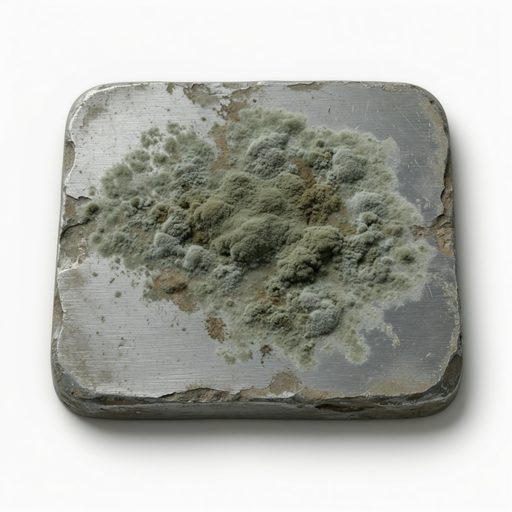
The rubber gasket around the door is where cold inside air meets warm room air every time you open it. LG says that contact creates moisture, and if the moisture isn't dried out, mold can grow; dust and other debris also build up on the gasket during normal use10. The gasket is folded, so growth can sit inside the pleats while the shelves look spotless. Sub-Zero lists a cracked or torn door seal among the causes of refrigerator odor12. USDA's odor-removal steps include the door and gasket: wash them with hot water and baking soda, and if odor remains, wipe with equal parts vinegar and water, since USDA says vinegar's acid destroys mildew2. Whirlpool's instructions are a sponge or soft cloth with mild detergent and warm water, then a rinse and a thorough dry with a soft cloth5. Drying matters as much as cleaning, because LG ties the mold to moisture that is left on the gasket10.
If the fridge is new, the smell may be the fridge. LG says newly purchased products may have a particular plastic odor, because the factory smell stays trapped in packaging that isn't well ventilated; it says the smell gradually disappears once the unit is installed and used, and that a severe smell can be removed by cleaning or ventilation, starting with a wipe of the inside with a soft, damp cloth9. Sub-Zero adds a cause people miss: in a recently installed unit or a remodeled room, construction materials and adhesives can give off curing odors that the fridge's air movement makes stronger, and it says to consult the contractor if they persist12. Water and ice can taste or smell off the first time after installation as well. Samsung suggests discarding the first few glasses because the water lines may hold dust and debris, and LG's manual says to discard the first few batches of ice811.
How to Fix It
Empty it, pull every drawer, and wash the rails, seams, and gasket
$0Start here; GE says the source is usually unwrapped, spoiled, or spilled food rather than the appliance, and finding it costs nothing.
- 1Unplug the refrigerator, take all the food out, and check each item for anything spoiled, poorly sealed, or leaking; Samsung says to look hard at the crisper drawers, which it calls the largest source of bad odors48.
- 2Remove the crisper drawers, bins, and shelves and hand-wash them in warm water with mild detergent, then rinse and dry them45.
- 3With the drawers out, clean the drawer and shelf channels and the frame with warm soapy water, then rinse and dry with a soft cloth. A drawer that stuck on the way out often has a dried spill under it5.
- 4Wash the interior walls and floor, the door, and the gasket with hot water and baking soda2. Pull each gasket fold open, clean out dirt or mold with detergent, and dry it, since LG ties gasket mold to moisture left behind10. For lingering mildew, USDA suggests wiping with equal parts vinegar and water2.
- 5Sanitizing is where sources disagree. Nebraska Extension's version of the USDA method rinses with 1 tablespoon of unscented chlorine bleach per gallon of water, but Samsung tells its owners not to use benzene, thinner, chloride, or Clorox inside, warning they may damage the surface or cause a fire; follow the manual for your model18.
- 6Leave the door open about 15 minutes to air it out, and make sure everything is completely dry before you put the parts and food back and plug it in284.
Dump the ice, run GE's ice test, and change an old water filter
VariesUse this when the ice or water tastes like the smell, or when the cleanup didn't change anything.
- 1Empty the ice bin, throw out the old cubes, wash the bin, and let it dry completely before you put it back11.
- 2Discard the first few batches of new ice, and run off the first few glasses of water if the dispenser has sat unused for a few days118.
- 3To find out whether the odor is in the air or the water, fill a plain ice cube tray with tap water, freeze it, dump the cubes into a bowl, and leave the bowl in the freezer for a few days6.
- 4Taste and smell those cubes. If they picked up the odor, it is coming from inside the fridge and the cleanup isn't finished; if they're clean, the problem is the water supply feeding the icemaker or dispenser6.
- 5If it's the water side, replace the filter. LG's manual gives approximately every 6 months and says a filter may be needed to eliminate taste and odor problems11. Expect an off taste right after the change that fades with normal use8.
- 6From now on, discard unused ice regularly and keep food wrapped, since odors migrate to ice when food isn't wrapped properly811.
Pull the fridge out: drain pan, floor underneath, coils, and drain
$0Use this when the smell is musty or strongest near the floor, or there's water under the crispers or ice in the bottom of the freezer.
- 1Unplug the refrigerator, pull it out, and remove the bottom back panel to reach the defrost drain pan13. On some models the pan is fixed underneath and has to be cleaned in place7.
- 2Look for droppings, nesting material, or a dead mouse before you touch anything. If you find them, open doors and windows for 30 minutes, put on rubber or plastic gloves, and don't sweep or vacuum; spray with 1.5 cups of household bleach in 1 gallon of water (1 part bleach to 9 parts water) and let it soak 5 minutes15.
- 3Bag the rodent, nest material, and any used traps in a plastic bag, tie it, put it in a second bag, tie that, and throw it in a covered garbage can that is emptied regularly. Wash your gloved hands with soap and water before taking the gloves off, then wash your hands with soap and warm water15.
- 4Wipe up spills on the floor under the fridge, then empty and wipe out the pan; if there's mold or mildew, wear gloves and use a bleach-and-water solution13. Whirlpool's method for a removable pan is warm water and dish soap, then a rinse and a thorough dry before it goes back5.
- 5Once any rodent mess is gone, clean the condenser coils with a coil brush and a vacuum; better airflow helps the pan dry between defrost cycles, and Sub-Zero says a dirty condenser can add heat and a musty odor1312.
- 6If water was pooling under the crispers or ice was building up in the freezer, flush the defrost drain. Find the drain hole (on GE side-by-sides, the center of the freezer's back wall just above the floor, sometimes behind a one-screw panel), let any ice thaw, mix 1 teaspoon of baking soda into 2 cups of hot tap water, and push it through the hole with a turkey baster until you hear water running into the pan below714.
- 7Wipe the pan again after the flush, push the fridge back, and plug it in. If the water keeps pooling, the tube may be damaged; Sears PartsDirect says to replace it if it is damaged or the clog won't clear14.
Deodorize the empty fridge for days, then suspect the insulation
VariesThe last step, for a smell that survives a full cleaning of every spot above; it takes days to weeks, and if it fails the insulation is the likely reservoir.
- 1Run the cleaned, empty fridge with an absorber on trays on the shelves for 2 or 3 days: activated charcoal (sold at aquarium and terrarium supply stores), clean kitty litter, or baking soda1.
- 2Or spread freshly ground coffee on cookie sheets and close the door for 2 or 3 days; a slight coffee smell may remain until you wash and rinse the interior1.
- 3Or pack each shelf with crumpled newspaper, set a cup of water on the top shelf or sprinkle the paper with water, and run it about 5 or 6 days; Nebraska Extension calls this time-consuming but effective1.
- 4Expect stubborn odors to take several weeks. Whirlpool says to repeat its stubborn-odor process every week to every couple of weeks, changing the charcoal, baking soda, and newspaper each time4.
- 5If the fridge sat off for several days, the odor may have entered the insulation, and getting it out can take an air compressor blowing air into that section; if meat or fish drippings leaked into it, a technician may need to remove the liner and replace the insulation1.
- 6If nothing removes the odor, USDA says the unit may need to be discarded. Childproof it first by removing the door, or chain and padlock it shut or disable the latch, and use your solid-waste provider, a recycler, the retailer selling you a new one, or a utility-sponsored program2.
When to Call a Professional
Water keeps pooling under the crisper drawers or ice keeps forming in the bottom of the freezer after you've flushed the drain: the tube may be freezing at the top or damaged, Sears PartsDirect says a damaged tube or a clog that won't clear means replacing it, and GE's next step is a repair appointment147.
The smell comes from the compressor area at the back and the condenser fan isn't running: Sub-Zero says that adds heat and a musty odor, and if its checklist doesn't solve it the next step is factory-certified service12.
You find droppings, nests, or more than one dead rodent under the fridge or in the drain pan: Sub-Zero suggests a pest control professional or a home cleaning service, and CDC says to contact your local health department with questions about your situation1215.
The odor survives a full cleaning and weeks of absorbers, especially after meat or fish drippings leaked or the fridge sat off for days: it is likely in the insulation, where a technician may need to remove the liner and replace it, or the fridge may need replacing15.
A new fridge's plastic smell doesn't fade with use, or the odor started after a remodel: LG says new-product smell gradually disappears once the unit is in use, so one that lingers is worth a call to the manufacturer, and Sub-Zero says to consult the contractor about curing odors from building materials912.
How to Prevent It
Wipe spills the moment they happen and clean the fridge regularly; FDA says this helps reduce the growth of Listeria, and Whirlpool suggests cleaning both sections about once a month34.
Keep food tightly wrapped or covered, and store strong foods such as onions, garlic, fish, and strong cheeses airtight; Whirlpool and Samsung list them among odor causes, and LG says odors migrate to ice from food that isn't wrapped4811.
Hold the fridge at or below 40 °F (4 °C) and the freezer at 0 °F (-18 °C), checking appliance thermometers at least once a week; Sub-Zero lists high refrigerator and freezer temperatures among the causes of odor312.
Flush the defrost drain with 1 teaspoon of baking soda in 2 cups of hot tap water once or twice a year so it doesn't clog and back water up into the fridge7.
Frequently Asked Questions
GE says the refrigerator itself doesn't cause odors; the source is something inside, such as unwrapped, spoiled, or spilled food6. When nothing on the shelves is bad, check where drips end up: under the crisper drawers and in the drawer and shelf channels, the folds of the door gasket, the ice bin, and the drain pan underneath the fridge510613. A musty smell that is strongest near the floor points to the drain pan or a dirty condenser1312.
Wiping the shelves misses the drain pan under the fridge, the defrost drain, the gasket folds, and the ice, so check those next137106. If they're clean too, run the empty fridge with activated charcoal, baking soda, or clean kitty litter on trays for 2 or 3 days1. Whirlpool says stubborn odors can take several weeks, and odors absorbed into the insulation may mean replacing the fridge45.
Baking soda is on the absorber lists from USDA, Nebraska Extension, and Whirlpool, but in all three it comes after you've cleaned out the source, not instead of it214. USDA's version sprinkles it loosely in a large, shallow container on the bottom of the unit rather than leaving it in the box2. Nebraska Extension lists activated charcoal and clean kitty litter as alternatives, with the empty fridge running 2 or 3 days1.
GE says food can transfer odors and tastes to ice, and fresh-food odors can reach the freezer6. LG's manual adds that ice stored too long shrinks, turns cloudy, and may develop a stale taste11. To tell air from water, freeze plain tap water in a tray, leave the cubes in a bowl in the freezer for a few days, then taste them: odor means the fridge air, no odor means the water supply or filter6.
LG says newly purchased products may have a plastic odor from factory smell trapped in packaging, and that it gradually disappears once the fridge is installed and used; a severe smell can be cleared by cleaning or ventilation9. In a remodeled kitchen, Sub-Zero says construction materials and adhesives can give off curing odors that the fridge's air movement intensifies12. Samsung says the first water or ice after installation may taste off, so discard the first few glasses8.
Usually the defrost drain pan: Sears PartsDirect says mold or mildew can form there and cause a musty smell, and that bugs or rodents have been found in it13. Sub-Zero adds that a dirty condenser or a condenser fan that isn't running can produce heat and a musty odor, and says to check under the unit for rodents12. If you find a dead mouse or droppings, follow CDC's cleanup: ventilate for 30 minutes, wear gloves, soak with a bleach solution, and don't sweep or vacuum15.
Clean it, then try absorbers for 2 or 3 days; Nebraska Extension says that if the unit was off for several days, the odor may have entered the insulation, and getting it out takes significant work and possibly an air compressor1. If nothing works, USDA says the unit may need to be discarded, and to childproof it first by removing the door or chaining and padlocking it shut2.
Sources
Every factual claim above comes from one of these. Updated November 2026.
- Solving Odor Problems in Your Refrigerator or Freezer — Nebraska Extension, University of Nebraska–Lincoln (UNL Food; based on USDA guidance, reviewed 2024)
- Food Safety: Removing Odors from Refrigerators and Freezers (USDA consumer alert, September 2005) — USDA Food Safety and Inspection Service (hosted by Texas A&M AgriLife Extension)
- Are You Storing Food Safely? — U.S. Food and Drug Administration (Consumer Update)
- Removing and Preventing Odors — Whirlpool Product Help
- 16 Best Ways to Rid Your Refrigerator of Smells — Whirlpool (blog)
- How to Tell if Ice Taste and Odor is from the Fresh Food Section — GE Appliances (support)
- Side-by-Side Refrigerator - Drain Tube — GE Appliances (support)
- Samsung Refrigerator has a Bad Odour — Samsung Australia (support)
- LG Refrigerator - Why Does My Refrigerator Smell Like Plastic? — LG Electronics USA (help library)
- LG Refrigerator - There is Mildew on the Door Gasket — LG Electronics (U.A.E. help library)
- LG LFX33975ST Owner's Manual, troubleshooting (page 52) — LG Electronics, via ManualsLib
- Odor Outside a Refrigerator — Sub-Zero Group (assistance answers)
- How to Get Rid of Refrigerator Smells (January 5, 2022) — Sears PartsDirect (DIY article)
- Water Under Crisper Drawers (April 20, 2023) — Sears PartsDirect (refrigerator repair symptom guide)
- How to Clean Up After Rodents — U.S. Centers for Disease Control and Prevention (Healthy Pets, Healthy People)
Cite or link to this guide
Citation (APA)
Link (HTML)
Free to quote with a link back. Writers, teachers and landlords: the chart at Smells You Should Never Ignore is free to embed.
Related smells
Other guides in Food & Kitchen and smells that share a cause.