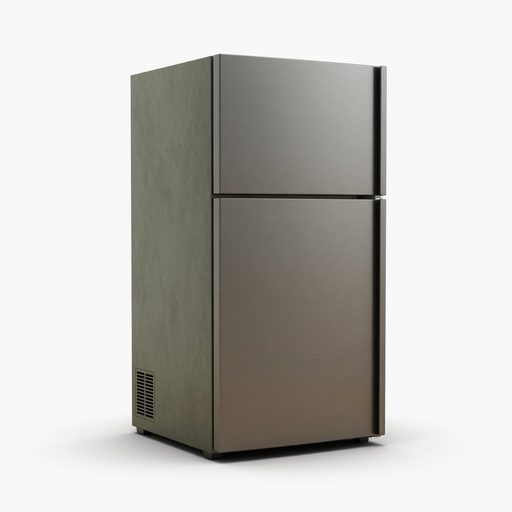
Most Likely Causes (Ranked)
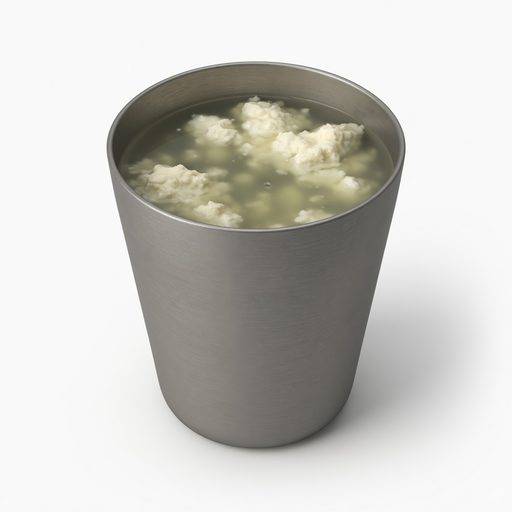
Fridges have many hiding spots: back of shelves, under crisper drawers, behind door condiments, inside forgotten containers. Meat juice that dripped onto a shelf or a liquefying bag of vegetables are extremely common sources. Cold slows but doesn't stop decomposition.
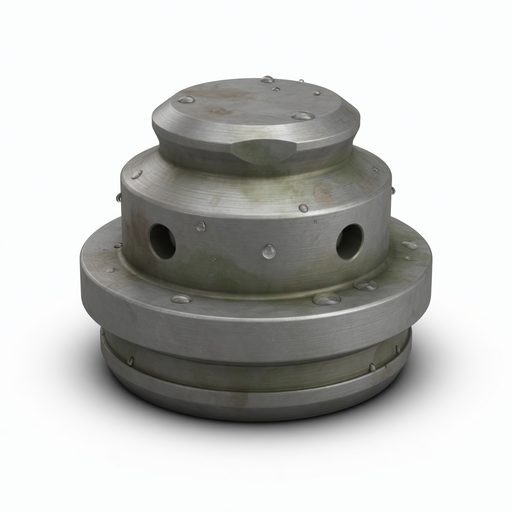
Every fridge has a drip pan at the bottom that collects defrost condensation. The water normally evaporates, but food particles, mold, and bacteria accumulate over time, producing a persistent smell that seems to come from nowhere inside the fridge.
The defrost drain carries meltwater to the drip pan. When clogged with food particles or ice, water stagnates inside the fridge under the crisper drawers, breeding bacteria.
The rubber gasket traps food and moisture in its folds, breeding mold. A compromised gasket also lets warm air in, accelerating spoilage.
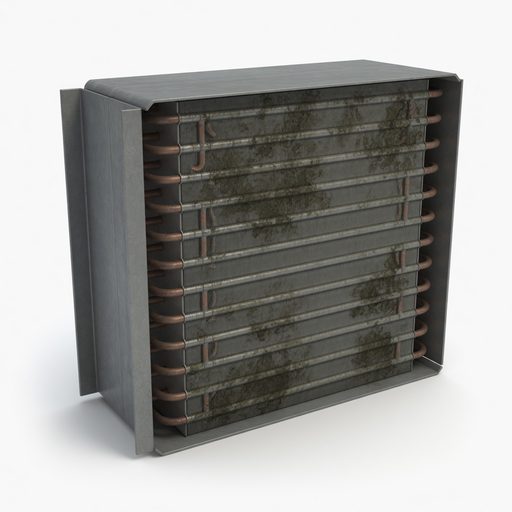
Plastic shelves and drawers absorb strong odors over time, especially from fish, garlic, and spoiled meat. Once absorbed, these persist even after cleaning.
How to Fix It
Deep Clean the Interior
$0-5The complete cleanout that addresses the most common causes.
- 1Remove everything. Discard anything expired or suspicious.
- 2Remove all shelves/drawers, wash in sink with warm soapy water. Soak in baking soda solution (2 tbsp per quart) for stubborn smells.
- 3Wipe every interior surface with baking soda solution — especially under drawers, shelf undersides, and back wall.
- 4Clean the door gasket — pull back folds and wipe inside with baking soda or vinegar solution.
- 5Reassemble, place open box of baking soda inside. Replace every 30 days.
Clean the Drip Pan
$0The overlooked fix for persistent fridge odors.
- 1Remove the kick plate at the bottom front. Slide out the pan.
- 2Wash with hot water, dish soap, and white vinegar.
- 3For heavy mold, soak in diluted bleach (1 tbsp per gallon) for 10 minutes.
- 4Slide back into place. Clean every 3-6 months.
Clear the Defrost Drain
$0If water is pooling inside the fridge.
- 1Find the drain hole at back wall inside fridge, near the bottom.
- 2Pour warm water through with turkey baster to melt ice clogs.
- 3Use pipe cleaner for food particle clogs.
- 4Flush with warm water + baking soda afterward.
Deodorize Absorbed Odors
$5-20For persistent smells after thorough cleaning.
- 1Place activated charcoal inside — more effective than baking soda for strong smells.
- 2Stuff crumpled newspaper in empty fridge for 2-3 days.
- 3White vinegar or coffee grounds in a bowl overnight.
- 4Baking soda paste on plastic surfaces for 4-6 hours, then wipe.
When to Call a Professional
Fridge not holding proper temperature (above 40°F) — food spoils faster. Check thermometer and settings.
Mold on interior walls — excessive moisture from door seal or temperature issue.
Chemical smell — could indicate refrigerant leak. Call a technician.
Heavy mold in drip pan — drain system may not be evaporating properly.
How to Prevent It
Clean spills immediately — don't let drips become odor sources.
Store leftovers in sealed containers — open containers release and absorb odors.
Check/discard expired items weekly — do it before grocery shopping.
Keep open baking soda box in fridge — replace every 30 days.
Clean drip pan every 3-6 months — 5 minutes prevents the most common hidden odor.
The Drip Pan: The Hidden Odor Source
Ask someone when they last cleaned their fridge drip pan and the answer is almost always "what drip pan?" Every refrigerator has one — a shallow tray underneath that catches defrost condensation.
Over months, the pan accumulates bacterial sludge that produces a smell you can't find by looking inside. Many people deep-clean the interior multiple times before discovering the drip pan.
Cleaning it takes 5 minutes: pop off the kick plate, slide out the pan, wash with soap and vinegar, slide it back.
Frequently Asked Questions
Three likely reasons: 1) Drip pan underneath hasn't been cleaned. 2) Defrost drain is clogged causing stagnant water. 3) Plastic components absorbed the odor. Address all three and the smell will resolve.
It absorbs mild ambient odors but doesn't eliminate the source. For strong or set-in odors, activated charcoal is significantly more effective.
Most models: remove kick plate at bottom front (snaps off or 1-2 screws). Pan slides out. Some require pulling fridge from wall. Check your model number online for specifics.
Yes. Strong fridge odors transfer to uncovered foods, especially dairy. Store everything in sealed containers.