Common Causes (Ranked by Likelihood)
The most frequent cause of a smelly fridge is food that has gone bad or been forgotten — often hidden in the back of shelves, in containers, or at the bottom of the crisper drawer. A single forgotten item of spoiled food can contaminate the entire fridge air. Particularly potent odor sources include: cheese rinds that have molded, leftover meat or fish, overripe produce, spilled condiments that dried and fermented, and dairy past its use-by date. Bacteria from spoiled food don't just stay in one container — odor molecules spread throughout the fridge and absorb into plastic surfaces.
Liquid spills — stock from meat containers, fruit juice, condiment drips — seep into joints, under drawers, into the grooves of drawer tracks, and under shelf supports. In the cold fridge environment, these spills don't evaporate or decompose rapidly; they sit and slowly ferment, producing a persistent sour, rotten, or musty smell that continues even after surface cleaning. The smell seems inexplicable because the surfaces look clean — but it's coming from the invisible accumulation in joints and underneath components.
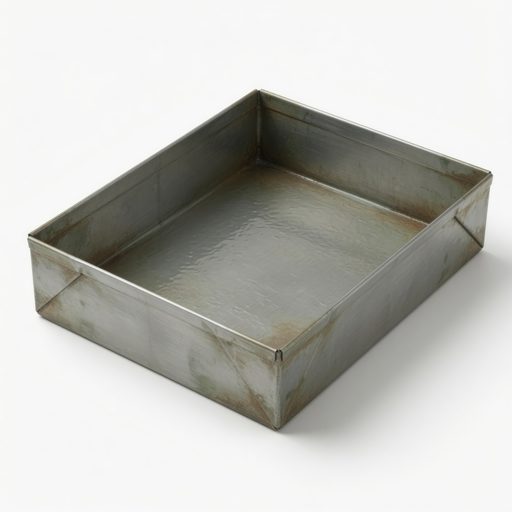
Modern refrigerators have a drain pan — a shallow tray located under the fridge (accessible from the front or back) that collects defrost condensate and allows it to evaporate. This pan sits at room temperature (near the compressor which generates heat) and collects water that has dripped through the interior of the fridge — water that may carry food particles, mold spores, and bacteria. Left uncleaned for months or years, this pan becomes a warm, moist, bacterial incubator. The warm air from the compressor wafts the odor up through the fridge interior. Many people never know this pan exists.
The rubber gaskets (door seals) around the fridge and freezer doors have ridges and folds that trap food debris, moisture, and mold. Black or dark gray mold growth in the gasket folds is very common and produces a musty, moldy smell. The gaskets are at eye level when you open the fridge, but the smell-producing mold is inside the folds. Cleaning the surface of the gasket doesn't reach the interior of the ridges where mold colonizes.
Refrigerators with water dispensers and ice makers have water filters that should be replaced every 6 months. An old or clogged filter harbors bacteria and mold that can give dispensed water and ice a stale, fishy, or chlorine-like smell. The ice maker's interior and water lines can also develop biofilm over time. The ice then transfers this smell to beverages and the general fridge environment.
Vegetable crisper drawers maintain higher humidity than the rest of the fridge — which is great for produce freshness but creates conditions where bacteria and mold proliferate readily. Decaying vegetable leaves, condensation on the drawer bottom, and produce that has gone bad create a sour, rotting, or earthy smell that lingers even after the drawer contents are removed. The drawer itself, not just the food in it, becomes a source of odor.
Rarely, a bad fridge smell indicates a mechanical problem: a failing compressor can produce a chemical or burning smell; a refrigerant leak can produce a chemical, ether-like, or acetone smell; a blocked or failed defrost drain can cause water accumulation, ice buildup, and associated musty odor. These are distinguished by their chemical, burning, or electrical character — very different from the organic, food-like smells of the other causes.
How to Fix It
Deep Clean the Interior
$0-10The foundation — do this systematically or the smell will return.
- 1Remove all food and place perishables in a cooler. Throw out anything expired or suspect — don't put it back.
- 2Remove all drawers, shelves, and removable components. Wash them in hot soapy water in the sink, then dry completely before replacing.
- 3Mix equal parts white vinegar and water. Wipe every interior surface — including the ceiling, back wall, and door shelves. Vinegar kills bacteria and neutralizes odors without leaving residue.
- 4Use a toothbrush or cotton swab to clean the grooves in drawer tracks, the shelf support holes, and the drain hole in the back interior wall (this drains to the drain pan).
- 5After cleaning, place an open box of baking soda on a shelf — replaces fresh monthly for ongoing odor absorption.
Clean or Replace the Drain Pan
$0-20This is the most commonly missed step — and often the source of persistent odor after everything else is clean.
- 1Locate the drain pan: usually accessible from the front (remove the kickplate at the bottom of the fridge) or from the back.
- 2Slide the pan out carefully — it may contain standing water and accumulated debris.
- 3Wash the pan with hot soapy water, then rinse with a 1:1 vinegar:water solution. For heavily molded pans, soak in a dilute bleach solution (1 tablespoon per gallon of water) for 10-15 minutes.
- 4Dry the pan completely before replacing — returning a wet pan immediately restarts the mold cycle.
- 5Going forward, check and clean the drain pan every 3-6 months.
Clean the Door Gaskets
$0The folds of gasket mold are often the main source of musty odor.
- 1Mix a solution of 1 tablespoon bleach in 1 quart warm water.
- 2Use a toothbrush or cotton swab dipped in the solution to scrub inside every fold of the gasket. Pull the gasket slightly away from the door to reach into the deepest folds.
- 3Rinse with clean water and dry thoroughly.
- 4After cleaning, apply a thin layer of petroleum jelly (Vaseline) to the gaskets — keeps the rubber supple and prevents cracking while also inhibiting future mold growth.
- 5Inspect for gasket damage — cracked or torn gaskets allow warm, moist outside air in, which promotes condensation and mold growth inside. Replacement gaskets are available for most fridge models.
Replace the Water Filter and Clean the Ice Maker
$20-60For fridges with dispensers — often the culprit for chemical or fishy odor.
- 1Replace the water filter (every 6 months, or immediately if it's been longer). The filter housing should be labeled with the model number.
- 2Run several gallons of water through the dispenser after filter replacement to flush the new filter.
- 3Clean the ice maker tray and ice bin with a mild vinegar solution. Discard all old ice — it carries the old filter's smell.
- 4Clean the ice chute with a damp cloth and allow to dry completely.
- 5If smell persists after filter replacement, check the water supply line for mold or biofilm — this is less common but can require a plumber.
When to Call a Professional
Chemical, burning, or electrical smell from the fridge — turn off and unplug the fridge; possible compressor failure or electrical issue; call an appliance repair person.
Sweet, chemical, or ether-like smell from the fridge — possible refrigerant leak; refrigerant leaks are environmental hazards; call an appliance technician.
Persistent smell after thorough cleaning including drain pan and gaskets — hidden mold in the refrigerator insulation or walls may require appliance service.
Fridge not maintaining temperature alongside bad smell — compressor or cooling issue; repair or replacement needed.
How to Prevent It
Check for expired food weekly — don't let things hide at the back for months.
Use covered containers for all leftovers and strongly scented foods — prevents odor spreading throughout the fridge.
Clean the drain pan every 3-6 months — put it on your calendar.
Replace the water filter every 6 months if your fridge has a dispenser.
Keep an open box of baking soda in the fridge and replace it monthly.
Wipe the door gaskets monthly — a quick wipe prevents the mold buildup that requires deep scrubbing.
The Drain Pan: The Most-Missed Source of Fridge Odor
Most people deep-clean their refrigerator thoroughly — every shelf, every drawer, every corner — and are baffled when the smell returns within days. The culprit is almost always the drain pan. The defrost drain pan sits under the refrigerator, out of sight, and is designed to collect water that drips from the defrost cycle. This water has traveled through the entire interior of the fridge before reaching the drain hole — picking up food particles, bacteria, and mold spores along the way.
In the drain pan, this warm, food-contaminated water sits near the compressor (which runs warm) and slowly evaporates. In winter-heated homes, it may never fully evaporate, creating a perpetually moist bacterial culture. Warm air from the compressor fan then carries these odors up through the fridge, making it smell as though the interior is contaminated even after cleaning.
Accessing the drain pan is usually simple: remove the toe grate at the bottom front of the fridge (it pulls or snaps off) and slide the pan out. The condition of it will often explain months of mystery odor.
Frequently Asked Questions
Almost always because the drain pan was not cleaned. The drain pan under the fridge collects defrost water mixed with food particles and is a major odor source that most cleaning routines miss. Also check the door gasket folds, which harbor mold in their ridges that surface wiping doesn't reach. These two items explain the vast majority of 'I cleaned it and it still smells' situations.
Remove all food, wipe every surface with equal parts vinegar and water, clean the door gasket folds with a bleach solution, clean the drain pan under the fridge, and place an open box of baking soda on a shelf. Activated charcoal odor absorbers (available on Amazon) work faster than baking soda for acute odors. Crumpled newspaper left overnight also absorbs odor effectively.
New fridges often have a plastic, chemical, or manufacturing odor from the materials. Wipe the interior with a baking soda and water solution, leave a bowl of baking soda inside with the doors closed for 24 hours, and the smell usually dissipates within a few days. If the smell is strong and chemical (not just 'new plastic'), contact the manufacturer — some new units have issues with off-gassing materials.
Yes, but with limitations. Baking soda (sodium bicarbonate) is mildly alkaline and absorbs acidic odor molecules. It's effective for mild ongoing odors but won't eliminate a strong existing smell on its own — you need to remove the source first. An open box absorbs odors steadily for about 30 days. Activated charcoal absorbers are more effective for stronger odors.