Most Likely Causes (Ranked)
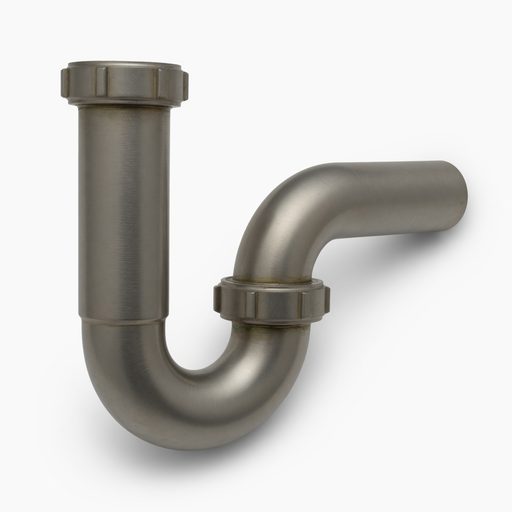
This is the most common cause and fortunately the easiest fix. Floor drains in basements, laundry rooms, and utility areas have P-traps that hold water to seal out sewer gas. Unlike bathroom sinks and showers that get used daily, basement floor drains may go months without water. The standing water in the P-trap evaporates, the seal breaks, and sewer gas enters freely. Hydrogen sulfide — the primary compound responsible for the rotten egg and sewer smell — rises from the drain opening unimpeded. In homes with infrequently used basement bathrooms, the sink, toilet, and shower drains may also have dried traps.
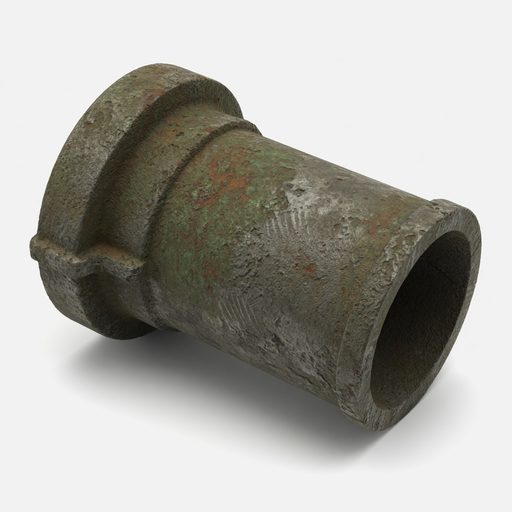
The main sewer line running through or under the basement connects all your drains to the municipal sewer or septic system. Over time, these pipes can crack from ground settlement, root intrusion, corrosion, or simply age (cast iron pipes installed before the 1970s have a typical lifespan of 50-75 years, and many are reaching the end of that). A cracked sewer line allows sewer gas to escape into the soil and basement space. Unlike a dried P-trap, a damaged sewer line produces a persistent smell that doesn't improve with adding water to drains — and may be accompanied by slow drains throughout the house.
Your plumbing system has a network of vent pipes that go up through the walls and out through the roof. These vents serve two purposes: they supply air to maintain proper pressure in the drain lines (preventing siphoning of P-traps), and they provide an escape route for sewer gases to exit above the roofline rather than backing up into the house. If a vent is blocked (by a bird nest, leaves, ice, or debris), cracked, or disconnected in the wall, it can force sewer gas to exit through the nearest opening — often basement drains and toilets. A blocked vent also often produces gurgling sounds when fixtures are used.
Basements with bathrooms below the main sewer line typically use an ejector pump system — a sealed pit with a pump that grinds and forces waste up to the main sewer line. If the ejector pit lid isn't properly sealed, isn't sitting flush, or has cracked, sewer gas escapes into the basement continuously. Similarly, the sump pit (which handles groundwater, not sewage) can sometimes develop a septic smell if it becomes stagnant, though this is typically less severe than a sewer gas problem.

Basement toilets with a failed wax ring seal between the toilet base and the floor flange allow sewer gas to escape around the toilet base continuously. The wax ring is the only barrier between the toilet outlet and the sewer connection — when it deteriorates or breaks the seal (from toilet rocking, improper installation, or age), gas escapes. A failed wax ring sometimes allows small amounts of wastewater to seep as well. Basement sink P-traps and shower drains can also dry out or have cracked traps if the basement bathroom sees infrequent use.
How to Fix It
Refill All P-Traps (Start Here)
FreeDo this first — it costs nothing and solves the problem in 30% of cases.
- 1Locate every drain in the basement: floor drains, laundry sink, utility sink, bathroom fixtures (if any).
- 2Pour a full gallon of water slowly down each floor drain to ensure the P-trap is completely refilled.
- 3Add one tablespoon of mineral oil or vegetable oil after the water — the oil floats on top of the water and dramatically slows evaporation, keeping the trap sealed for months.
- 4Run all basement faucets for 30 seconds and flush the toilet if present.
- 5Wait 1-2 hours and reassess the smell. If it's improved, you found the cause.
- 6Going forward: pour water in basement floor drains monthly, or install a P-trap primer (an automatic device that adds water to a floor drain trap on a schedule — costs $30-50 and installs in 20 minutes).
Inspect and Repair Ejector Pit Lid
$20-50 DIY / $100-200 plumberIf you have an ejector pit, check the lid first — it's a quick and common fix.
- 1Locate the ejector pit — typically a 18-24 inch diameter sealed pit in the basement floor, covered by a plastic or cast iron lid with bolts.
- 2Check that all bolts or fasteners are tight and the lid is seated flat. If the lid is warped, cracked, or not seating flush, that's your escape point.
- 3Replacement lids are available at plumbing supply stores for $20-50. Ensure the replacement includes vent port plugs if the original had them.
- 4The vent pipe coming off the ejector pit lid should extend upward and connect to the main vent stack — if this connection is loose or disconnected, sewer gas escapes directly.
- 5After resealing, run water from upstairs to test the ejector pump and check for smell.
Check and Clear the Sewer Vent
Free (DIY) / $150-300 (plumber)If gurgling is present and P-trap refilling didn't help, the vent is likely blocked.
- 1Safety first: only attempt vent inspection if you're comfortable on a roof. Otherwise call a plumber.
- 2Locate vent pipe outlets on the roof — typically 3-4 inch PVC or cast iron pipes extending 6-12 inches above the roof surface.
- 3Look down each vent pipe with a flashlight for visible blockages: leaves, bird nests, ice, dead animals.
- 4Use a garden hose to run water down the vent while an assistant listens at basement drains for gurgling improvement.
- 5If a blockage can't be cleared with water pressure or a plumber's snake, a plumber can use a powered auger or air pressure to clear it.
- 6Install vent pipe caps that exclude birds and debris while still allowing airflow — available at hardware stores for $10-20.
Sewer Camera Inspection for Cracked Line
$150-350 inspection / $500-15,000 repairIf all accessible fixes have been tried and the smell persists, a camera inspection identifies damage in the line.
- 1Call a licensed plumber and request a sewer camera inspection (also called a video pipe inspection).
- 2The plumber feeds a waterproof camera through a clean-out access point and down the main sewer line.
- 3The camera identifies cracks, root intrusion, offset joints, and blockages — you should receive a recording of the inspection.
- 4Based on findings: minor blockages are cleared with hydro-jetting ($300-600). Localized cracks can sometimes be repaired with cured-in-place pipe lining ($2,000-5,000). Major damage requires excavation and replacement ($5,000-15,000+).
- 5Get at least two quotes for any repair over $500.
When to Call a Professional
The smell is very strong and you feel dizzy or nauseous — leave the basement immediately. Hydrogen sulfide at high concentrations is toxic. Ventilate thoroughly and don't return until the source is identified.
You see sewage backup in floor drains — stop using all plumbing and call a plumber. A sewer backup is an emergency that can spread contaminated water.
The smell appears after heavy rain — this can indicate a cracked sewer line being pressurized by groundwater, or a cross-connection between storm drains and the sanitary sewer. Call a plumber.
Multiple drains are slow throughout the house — combined with a sewer smell, this strongly suggests a main sewer line blockage or damage. Call a plumber before the situation becomes a backup.
How to Prevent It
Add water to basement floor drains monthly — takes 30 seconds and prevents the most common cause of basement sewer smell.
Install a P-trap primer on floor drains — these automatic devices keep floor drain traps full without any manual maintenance.
Have the main sewer line camera inspected every 5-7 years — especially in older homes. Catching a crack early is exponentially cheaper than dealing with a collapse.
Check your ejector pit lid annually — takes 2 minutes and prevents ongoing gas infiltration.
Keep sewer vent caps in good condition — inspect from ground level with binoculars each fall before leaf season.
Is Sewer Gas in Your Basement Dangerous?
Sewer gas is a mixture of gases produced by the decomposition of organic waste in the sewer system. The primary components are hydrogen sulfide (H₂S), methane (CH₄), carbon dioxide (CO₂), ammonia (NH₃), and various other organic compounds. The characteristic rotten egg smell comes from hydrogen sulfide, which is detectable by most people at concentrations as low as 0.5 parts per million.
At typical residential concentrations from a dried P-trap, sewer gas causes an unpleasant smell but is not immediately dangerous to healthy adults. However, at higher concentrations — which can occur in a closed basement with a significant sewer line leak or large-scale backup — hydrogen sulfide causes eye, nose, and throat irritation, headaches, nausea, and in extreme cases can be life-threatening. Methane, while odorless itself, is explosive at concentrations of 5-15% in air, making significant sewer gas infiltration a fire hazard as well as a health concern.
The practical guidance: if the smell is faint and near floor drains, try refilling P-traps and investigate. If the smell is strong, causes symptoms, or you're in a confined space, ventilate immediately and call a plumber.
Frequently Asked Questions
Intermittent sewer smell is almost always a P-trap issue. When someone uses the basement infrequently, the floor drain P-trap gradually dries out. The smell comes and goes based on how recently the trap was last refilled (by rain, cleaning, etc.) and on wind and pressure conditions that push sewer gas up through dry traps. A blocked or partially blocked sewer vent is the second most common cause of intermittent smell — pressure changes with weather can force gas through drains unpredictably.
Pouring bleach down a basement drain temporarily masks the smell but doesn't fix the underlying cause. Bleach can also damage older pipes and kill the beneficial bacteria in septic systems. The correct fix is addressing the P-trap, vent, or sewer line issue. If you want to deodorize while waiting for a plumber, a cup of baking soda followed by white vinegar, then water, is a safer option.
Ranges from free (refilling a P-trap) to $15,000+ (replacing a main sewer line). The most common fix — refilling P-traps — is free. Ejector pit lid replacement: $20-100. Clearing a blocked vent: $0-300. Hydro-jetting a partial blockage: $300-600. Sewer camera inspection: $150-350. Spot sewer line repair: $1,000-4,000. Full sewer line replacement: $5,000-15,000+.
At the low concentrations typical of a dried P-trap, sewer gas is unpleasant but not an acute health risk for healthy adults. However, prolonged exposure — particularly in a closed basement — can cause headaches, nausea, and respiratory irritation. People with asthma, heart conditions, or compromised immune systems are more vulnerable. If you or family members experience symptoms in the basement, treat it as a health issue and call a plumber promptly.