Common Causes (Ranked by Likelihood)
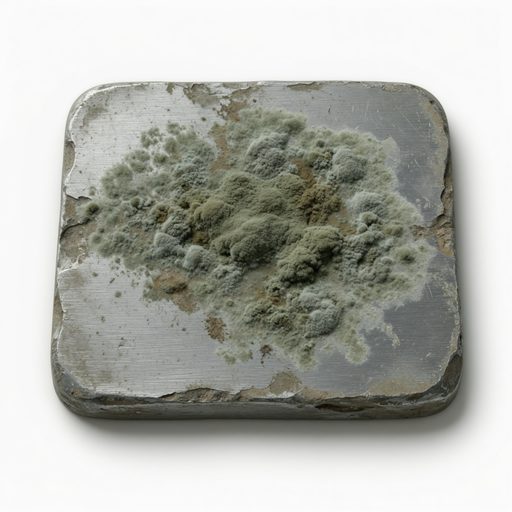
Basements maintain 60-80% humidity without intervention — above the 50% threshold where mold grows. Mold colonizes any organic material: wood joists, drywall, insulation, cardboard boxes, carpet, fabric. It produces microbial volatile organic compounds (MVOCs) — the musty, earthy smell associated with old basements. Mold can grow on surfaces that feel and appear dry. It often starts on the back side of drywall or inside insulation where it's invisible.
Almost every basement has a floor drain connected to the sewer. The P-trap beneath it holds water that seals out sewer gas. In rarely-used basements, this water evaporates — sometimes within weeks in a dry climate — allowing hydrogen sulfide and ammonia from the sewer to enter freely. The smell is unmistakably foul — rotten eggs or sewage. The fix is simply pouring water down the drain.
Groundwater seeps through cracks in the foundation, through the wall-floor joint, or through porous concrete. Even small amounts of persistent moisture cause mold, efflorescence, and bacterial growth on concrete and stored items. The smell is earthy-mineral-musty and correlates with rain. White powdery deposits (efflorescence) on concrete walls indicate water is moving through them.
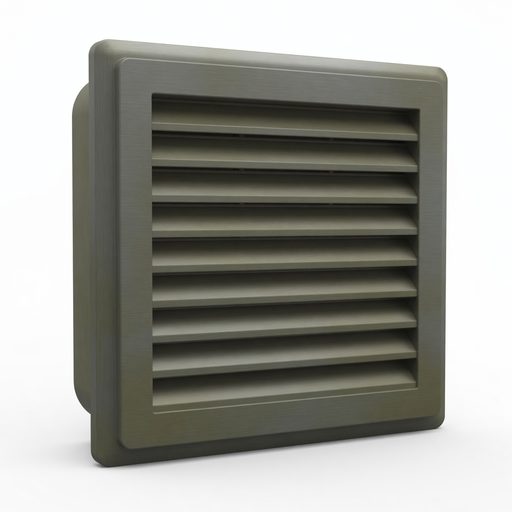
Basements with no windows, no HVAC return vents, or doors kept perpetually closed develop stagnant air with high humidity and concentrated odors from everything stored there. Odors from paint, solvents, old carpeting, furnishings, and normal biological processes accumulate without dilution. This creates a general musty-stale smell distinct from sharp mold or sewage odors.
Mice and rats that die in wall voids, under the slab, or in the crawl space produce a sweet-putrid decomposition smell that can be overwhelming in a basement. The smell progresses from faint sulfurous to intensely sweet-putrid over 3-14 days then gradually fades over 2-4 weeks. A basement that suddenly develops an intense, new smell is a key indicator.
Radon — a radioactive gas from uranium decay in soil — enters through foundation cracks and is odorless. However, some soil conditions and building materials produce associated sulfurous or earthy odors. More relevant are stored chemicals: paint, solvents, gasoline, pesticides, and cleaning products stored in the basement off-gas at room temperature and produce chemical or petroleum odors, especially in warm weather.
How to Fix It
Control Humidity with a Dehumidifier
$150-350The foundation of all basement odor control — nothing else works long-term if humidity isn't controlled.
- 1Purchase a basement-rated dehumidifier (50-70 pint capacity for most basements). Look for Energy Star rated models.
- 2Target 45-50% relative humidity. Use the dehumidifier's built-in humidistat or a separate hygrometer to monitor.
- 3Position in center of basement or near the largest moisture source, not against a wall.
- 4Direct the drain hose to the floor drain or a sump pump rather than emptying the bucket manually.
- 5Run continuously in summer months; can run intermittently in winter when outdoor air is drier.
Fix the Floor Drain P-Trap
$0-10Instant fix for sewer gas smell.
- 1Pour 1 gallon of water slowly down the floor drain to refill the P-trap.
- 2Add 1 tablespoon of cooking oil or mineral oil on top of the water — it floats and slows evaporation, extending the seal.
- 3If smell persists after pouring water, the drain may be clogged or the P-trap damaged — call a plumber.
- 4Check monthly if the basement is rarely used and re-fill as needed.
- 5Consider a drain cover with an built-in rubber seal for drains used very infrequently.
Mold Remediation
$0-2000+For visible mold or persistent musty smell after humidity control.
- 1Wear N95 mask and gloves. For small areas (under 10 sq ft): scrub with a solution of 1 cup bleach per gallon of water, then allow to dry completely.
- 2Remove and discard any porous materials with mold: insulation, drywall, carpet, cardboard. These cannot be effectively cleaned.
- 3Address the moisture source — cleaning mold without fixing the humidity or water intrusion is temporary.
- 4For mold covering large areas or inside walls, hire a professional remediation company.
- 5After remediation, run dehumidifier to prevent recurrence.
Seal and Waterproof the Foundation
$100-5000For water seepage through walls or floor.
- 1For minor seepage through cracks: apply hydraulic cement to active cracks, then a waterproofing paint (DRYLOK) to walls.
- 2For persistent seepage through walls: apply crystalline waterproofing compound to interior walls.
- 3For significant water intrusion: consult a basement waterproofing contractor — interior drain tile system with sump pump ($3000-8000) is the permanent solution.
- 4Grade the exterior soil away from the foundation — improper grading is the #1 cause of basement water.
- 5Extend downspouts 6+ feet from the foundation.
When to Call a Professional
Sewage smell throughout the basement — if pouring water in the drain doesn't resolve it within an hour, a main drain line issue may exist; call a plumber.
Mold covering large areas or inside walls — DIY remediation is inadequate; hire a certified mold remediation contractor.
Smell of natural gas or rotten eggs from a gas appliance (furnace, water heater) — leave immediately and call the gas company.
Persistent putrid smell despite no visible source — dead animal in wall void; professional removal may be needed.
How to Prevent It
Run a dehumidifier year-round, targeting below 50% humidity — the single most effective prevention.
Pour water down floor drains monthly if the basement is rarely used.
Store items in plastic bins, not cardboard — cardboard absorbs moisture and feeds mold.
Inspect the foundation after heavy rain — identify and seal seepage points before they worsen.
Don't store gasoline, solvents, or paint in the basement — ventilate or use a detached garage instead.
Ensure HVAC supplies air to the basement or add a standalone ventilator.
The Humidity Loop: Why Basement Smells Keep Coming Back
Many homeowners treat basement odor by cleaning, deodorizing, or painting over stains — only to have the smell return within weeks. The reason is that these treatments address the symptom (odor) without fixing the mechanism (humidity). As long as the basement stays above 60% relative humidity, mold regrows on clean surfaces, bacteria multiply in carpet and on organic materials, and musty odors return regardless of how thoroughly you cleaned.
The dehumidifier is the foundation of a permanently fresh basement — not an air freshener, not a coat of paint. Once humidity is controlled below 50%, the biological processes that create basement odors slow dramatically. Cleaning then becomes effective because the conditions that re-grow mold are eliminated. Most people who successfully eliminate basement odor long-term do so by establishing dehumidifier-first, cleaning-second protocol.
Frequently Asked Questions
Depends on the source. Mold spores aggravate allergies and asthma and can cause respiratory symptoms in sensitive individuals — significant mold growth warrants remediation. Sewer gas (hydrogen sulfide) is toxic at high concentrations but the low levels from a dry P-trap are an irritant rather than a health emergency. Natural gas leaks are immediately dangerous. Radon — the #1 cause of lung cancer in non-smokers — is odorless and requires a test kit to detect.
Almost certainly a dry P-trap in your floor drain. Pour a gallon of water down every basement drain. The smell should noticeably improve within an hour. If it doesn't, or returns quickly, the trap may be damaged or there may be a drain line issue — call a plumber.
'Dry' basements often have relative humidity of 60-70% even without visible water — high enough for active mold growth. Mold can grow on concrete, wood, and paper products at humidity levels that feel dry to the touch. Get a cheap hygrometer ($10) and check actual humidity. If over 55%, a dehumidifier will typically eliminate the musty smell within 2-4 weeks.
Three-step process: (1) Control humidity with a dehumidifier targeting 45-50%. (2) Remove or clean all mold-affected materials. (3) Fix any water intrusion source. Skipping step 1 means step 2 is temporary. Skipping step 3 means step 1 has to run harder forever.