Common Causes (Ranked by Likelihood)
Natural gas and propane are odorless. Gas companies add mercaptan (methanethiol) — a sulfur compound — specifically to make leaks detectable. The smell is often described as rotten eggs or sulfur. A gas leak is the most dangerous cause of sulfur smell and must be treated as an emergency. The gas can accumulate to explosive concentrations. Even a small leak should be treated seriously.
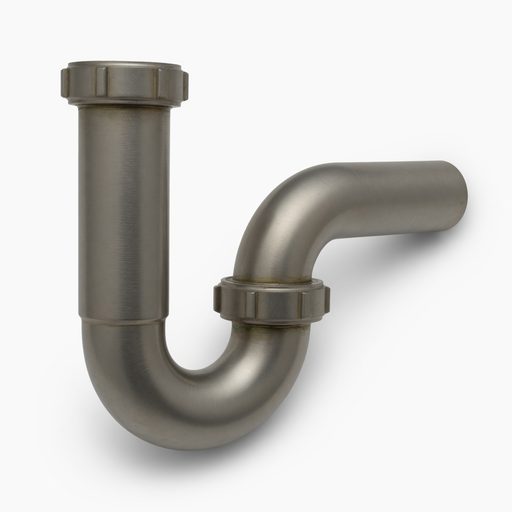
P-traps are the curved pipes under sinks and in floor drains that hold water, creating a seal blocking sewer gas. When a drain isn't used for several weeks, the water in the P-trap evaporates and sewer gas — containing hydrogen sulfide and ammonia — enters the house freely. The smell is especially common in unused bathrooms, basement floor drains, and laundry rooms after vacations.
Water heaters with magnesium anode rods can develop sulfurous smell when sulfate-reducing bacteria react with the magnesium anode to produce hydrogen sulfide. The smell is strongest when hot water is first run. The water itself smells like rotten eggs. This is harmless but unpleasant — treatable by replacing the magnesium anode with an aluminum/zinc anode or flushing and sanitizing the tank.
A dead rodent, bird, or other animal in the walls, attic, or crawl space produces a complex smell that progresses through stages. The early stage (days 1-3) can have a sulfurous component from decomposition gases. The main phase (days 3-14) is more sweet-putrid. The smell is localized to a general area and fades over 2-4 weeks as decomposition completes. Mice and rats are the most common culprits.

Some groundwater naturally contains hydrogen sulfide gas, giving water — and the entire house when that water is run — a strong rotten egg smell. Common in areas with certain geological formations (limestone, shale, sandstone with organic material). The sulfur smell affects both hot and cold water. Not harmful at low concentrations but unpleasant.
Electrical problems — overloaded circuits, faulty outlets, burning insulation — produce a sulfurous or burning plastic smell as insulation begins pyrolyzing. This smell is often described as 'electrical', 'burning plastic', or 'acrid and sulfurous.' It may be intermittent (only when a specific appliance is running). This is a fire hazard that warrants prompt investigation.
How to Fix It
Gas Leak: Leave Immediately
$0 (call gas company — free)CRITICAL: If you suspect a gas leak, do not troubleshoot — act.
- 1If the smell is sudden, strong, or pervasive: do NOT turn any light switches, outlets, or appliances on or off. Do NOT use your phone inside the house. These actions can create sparks that ignite accumulated gas.
- 2Leave the house immediately. Leave the door open as you exit to allow some ventilation.
- 3Once outside and at a safe distance, call your gas company's 24/7 emergency line or 911.
- 4Do not re-enter until the gas company has cleared the house and confirmed no leak.
- 5Gas company inspections and small leak repairs are typically free. They respond extremely quickly to these calls.
Fix Dry P-Traps
$0The most common cause of sewer gas smell — simple to fix.
- 1Pour water down every drain that hasn't been used recently — sinks, floor drains, bathtubs, utility sinks. This refills the P-trap and restores the gas seal.
- 2Add a tablespoon of mineral oil after pouring water — it floats on the surface and slows evaporation, extending the seal in seldom-used drains.
- 3For floor drains that will remain unused, purchase a P-trap primer or drain cover that maintains the seal without water.
- 4If the smell returns within days despite pouring water, the P-trap may be damaged — call a plumber.
- 5Also check toilet wax seals if you have an unused toilet — a failed wax seal allows sewer gas even with water in the bowl.
Fix Water Heater Sulfur Smell
$20-150When hot water specifically smells sulfurous.
- 1Try flushing the water heater first: attach a hose to the drain valve, run hot water at a faucet until the tank is mostly drained, then refill. This removes the bacteria.
- 2If the smell returns, replace the magnesium anode rod with an aluminum/zinc combination anode rod ($20-40) — stops the sulfate-reducing reaction while still protecting the tank.
- 3Alternatively, increase water heater temperature to 140°F for 1-2 hours to kill the bacteria (then return to 120°F to prevent scalding). This doesn't prevent recurrence.
- 4For persistent sulfur in hot water, consider a water quality test.
- 5For well water with sulfur: a whole-house oxidizing filter or carbon filter ($500-1500 installed) permanently removes hydrogen sulfide.
When to Call a Professional
Sudden, strong, pervasive sulfur smell — treat as gas leak; leave immediately and call gas company.
Sulfurous smell with dizziness, nausea, or headache — possible toxic exposure to sewer gas or gas leak; get fresh air and seek medical attention.
Burning/electrical smell near outlets or appliances — unplug the appliance, do not use the outlet; call an electrician.
Sulfur smell with dead animal evidence intensifying for over 2 weeks — may need professional dead animal removal if in-wall.
How to Prevent It
Run all drains monthly — prevents P-trap evaporation; especially important in guest bathrooms and basement drains.
Have gas appliances serviced annually — includes checking for small leaks.
Flush your water heater annually — removes sediment and bacteria before sulfur smell develops.
Seal gaps in foundation and exterior walls — prevents rodents from entering and dying in wall voids.
Test well water annually — monitors hydrogen sulfide and other contaminants.
Sewer Gas vs Gas Leak: How to Tell the Difference
Both sewer gas and natural gas contain sulfur compounds and smell like rotten eggs — but how the smell presents matters for deciding urgency. Sewer gas typically: appears slowly over hours, is localized to a specific area near a drain, is mild to moderate in intensity, may come and go, and doesn't change rapidly in concentration. Natural gas leaks typically: appear suddenly or worsen rapidly, become pervasive throughout a large area, may be accompanied by a hissing sound, and get significantly worse near gas appliances.
The practical rule: if you smell sulfur in one room near a drain, try pouring water down the drain and see if the smell resolves. If the smell is throughout the house, strong, came on suddenly, or you can't identify a specific source — treat it as a gas leak and leave. Gas companies universally advise erring on the side of caution. A false alarm costs nothing; ignoring an actual gas leak can be fatal.
Frequently Asked Questions
If the smell is sudden, strong, or pervasive — yes, or call your gas company's emergency line (available 24/7). If the smell is mild, localized near a specific drain, and you've had it before, it's likely sewer gas from a dry P-trap. When in doubt, leave the house first and call from outside. Gas company emergency calls are free and they respond very quickly.
Intermittent sulfur smell usually indicates sewer gas from a P-trap that dries out periodically, or a water heater issue that only manifests when hot water is used. If the smell correlates with using hot water (shower, dishwasher), it's the water heater. If it appears after not using a specific drain, it's a dry P-trap. If random and not traceable, have a plumber inspect for sewer line issues.
Depends on the source. Natural gas leak: highly dangerous — explosive and can cause carbon monoxide poisoning if gas ignites improperly. Sewer gas: contains hydrogen sulfide which is toxic at high concentrations, but the levels that produce noticeable smell are generally not immediately dangerous; avoid prolonged exposure. Dead animal: not toxic but unpleasant. Well water hydrogen sulfide: not harmful at typical household concentrations. Electrical burning: fire hazard.
Systematic approach: (1) check if the smell is near any drains — pour water down each, especially unused ones; (2) run hot water and check if smell intensifies in bathroom or kitchen specifically; (3) check near gas appliances with your nose (not a flame); (4) check attic, basement, and wall areas where rodent activity is possible; (5) note whether smell is constant or only when using water.