Most Likely Causes (Ranked)
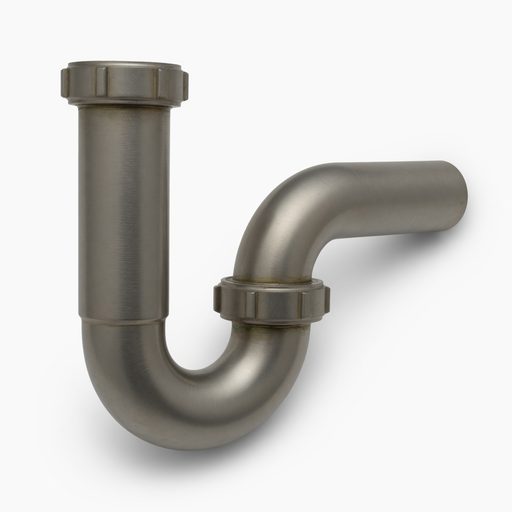
The P-trap is the U-shaped pipe under every sink, shower, and floor drain. It holds 2-4 inches of water that acts as a barrier between your home and the sewer system. When a drain goes unused for 2-4 weeks, this water evaporates, and hydrogen sulfide and other sewer gases flow directly into your living space. This is the #1 cause of drain odors, especially in guest bathrooms, basement floor drains, and unused laundry sinks.
Over time, a layer of bacteria, soap residue, grease, hair, and decomposing organic matter coats the inside of drain pipes — this is called biofilm. Even when water flows through the drain, the biofilm clings to the pipe walls. In kitchen sinks, it's primarily grease and food particles. In bathroom sinks and showers, it's soap scum, hair, and skin cells. The biofilm decomposes anaerobically, producing sulfur compounds.
A partial clog deep in the drain traps food, hair, and organic matter that decomposes. Unlike a full clog that stops water flow, a partial blockage allows water through but creates a pocket where material accumulates and rots. Kitchen sinks are prone to grease clogs; bathroom drains to hair clogs.
If the P-trap is cracked, has a loose connection, or was improperly installed (or removed during a renovation and never reinstalled), it can't hold water and can't block sewer gas. Old metal P-traps can corrode through. Improperly installed P-traps may not have the correct depth to hold water.
Every drain connects to a vent pipe that exits through the roof, allowing air into the system so water can flow freely. When the vent is blocked (by a bird nest, leaves, ice, or debris), it creates negative pressure that can siphon water out of P-traps, breaking the seal. It can also cause gurgling drains and slow drainage throughout the house.
How to Fix It
Refill the P-Trap
$0If the smelly drain hasn't been used recently, this is the fix. Takes 30 seconds.
- 1Run water for 30-60 seconds in every drain that smells. This refills the P-trap and restores the water seal.
- 2For floor drains in basements and garages that are rarely used, pour water into them monthly to keep the trap filled.
- 3Add a tablespoon of mineral oil after filling rarely-used drains — it floats on top of the water and slows evaporation, extending the seal for months.
- 4For sinks in vacation homes or guest bathrooms, consider a trap primer device ($15-30) that automatically adds water to the P-trap when nearby plumbing is used.
Clean the Drain and Remove Biofilm
$0-15If the drain is used regularly but still smells, biofilm is coating the inside of the pipe.
- 1Pour 1/2 cup of baking soda down the drain, followed by 1 cup of white vinegar. Let it fizz for 15 minutes, then flush with very hot (not boiling) water. This dissolves organic buildup and biofilm.
- 2For kitchen sinks: follow up with a mixture of 1/2 cup of baking soda and 1/2 cup of salt, left overnight, then flushed with hot water in the morning. This is especially effective for grease-based buildup.
- 3For shower drains: remove the drain cover and pull out any visible hair clogs first. Then use the baking soda and vinegar treatment.
- 4An enzyme-based drain cleaner ($8-15, like Bio-Clean or Green Gobbler) is very effective for biofilm. These products contain bacteria that digest organic matter in the pipe — they're safe for all pipe types and septic systems.
- 5Avoid chemical drain cleaners (Drano, Liquid-Plumr) for odor problems — they're designed for clogs, not biofilm, and they can damage pipes with repeated use.
Clear a Partial Clog
$0-25If the drain is slow AND smelly, a partial clog is trapping decomposing material.
- 1Try a drain snake ($10-25 from hardware stores). Insert it and twist to catch and remove hair, food, and debris.
- 2For bathroom drains, a plastic drain cleaning tool ($3-5, like a Zip-It) is perfect for pulling out hair clogs from the first 18 inches of pipe.
- 3If snaking doesn't resolve it, the clog may be deeper. A plumber with a powered auger ($150-300 service call) can clear deep blockages.
- 4After clearing the clog, treat the drain with an enzyme cleaner to prevent biofilm from re-establishing quickly.
Replace a Damaged P-Trap
$5-15 DIY / $100-200 plumberIf the trap is cracked or corroded, it needs replacement.
- 1P-traps cost $5-15 at hardware stores. PVC is recommended for durability — get the correct size for your drain pipe (1-1/4" for bathroom sinks, 1-1/2" for kitchen sinks and showers).
- 2Place a bucket under the existing trap, unscrew the slip nuts by hand or with pliers, remove the old trap, and install the new one. Hand-tighten the slip nuts plus a quarter turn — don't over-tighten.
- 3Run water and check for leaks at all connections.
- 4This is a beginner-friendly plumbing job — no soldering or special tools required. YouTube tutorials for your specific sink type make it even easier.
When to Call a Professional
Multiple drains smell at the same time — this suggests a sewer vent blockage or a main sewer line issue rather than an individual drain problem.
The smell is accompanied by gurgling or slow drainage throughout the house — gurgling when other fixtures are used indicates a vent blockage that's affecting the whole system.
Sewage is backing up into drains — actual sewage backup is a plumbing emergency. Stop using water and call a plumber immediately.
The smell persists after refilling the P-trap and cleaning the drain — there may be a cracked sewer pipe, a missing cleanout cap, or a deeper issue in the waste piping.
You smell sewer gas and have a septic system — this could indicate a full septic tank or drain field failure. Have the tank inspected and pumped ($250-500).
How to Prevent It
Run water monthly in all unused drains — guest bathrooms, basement floor drains, utility sinks. 30 seconds of water keeps the P-trap filled.
Use an enzyme drain treatment monthly — enzyme cleaners prevent biofilm buildup in pipes. Pour them in before bed so they can work overnight.
Don't pour grease down the kitchen drain — grease solidifies in pipes and becomes a major component of biofilm and clogs. Pour it into a container and put it in the trash.
Use a drain screen or hair catcher — $3-5 screens in shower and bathroom sink drains catch hair before it enters the pipe, preventing clogs and reducing biofilm.
Flush drains with hot water after heavy use — after doing dishes, run hot water for 30 seconds to flush grease and food particles through before they settle.
How P-Traps Work (And Why They're Brilliant)
The P-trap is one of the most elegant solutions in all of plumbing. It's just a U-shaped bend in the pipe that holds a few inches of water. That small amount of water creates a complete seal between your living space and the sewer system. Without it, every drain in your house would be an open portal to sewer gases — including hydrogen sulfide (rotten eggs), methane, and ammonia.
The design is self-maintaining: every time you use the drain, fresh water replaces the old water in the trap, keeping the seal clean and effective. The only failure mode is evaporation — when a drain isn't used long enough for the water to dry up. This is why guest bathrooms and basement floor drains are the most common sources of sewer gas in homes.
Every drain in your home has one: sinks, showers, bathtubs, washing machines, dishwashers, and floor drains. Toilets have their own built-in trap (the curved channel inside the toilet bowl). When one of these traps dries out, you get a direct pipe from the sewer to your home — which is exactly what that smell is.
Frequently Asked Questions
The rotten egg smell is hydrogen sulfide (H₂S), a gas produced by anaerobic bacteria decomposing organic matter in the drain or by sewer gas entering through a dried P-trap. If running water for 30 seconds fixes it, the P-trap was dry. If the smell persists, biofilm inside the drain pipe is the source — treat with baking soda and vinegar or an enzyme cleaner.
At the levels typically found from a dried P-trap, sewer gas causes unpleasant odors and possible headaches but isn't acutely dangerous. However, sewer gas contains methane (flammable) and hydrogen sulfide (toxic at high concentrations). A single dried P-trap isn't a health emergency, but persistent sewer gas from multiple sources in a poorly ventilated space could be a concern. Fix the traps promptly.
A small amount of bleach (1/4 cup) diluted in water can kill bacteria in a smelly drain. However, bleach is harsh on pipes (especially older metal pipes) and kills beneficial bacteria in septic systems. Baking soda and vinegar or enzyme cleaners are safer and more effective for regular maintenance. Save bleach for occasional heavy disinfection.
Kitchen drains handle grease, food particles, and organic waste that decompose quickly and produce strong odors. Bathroom drains primarily deal with soap, hair, and skin cells, which decompose more slowly. Kitchen drains also build biofilm faster because of the higher nutrient load. Regular hot water flushing and avoiding grease disposal down the drain are the best prevention.