Most Likely Causes (Ranked)
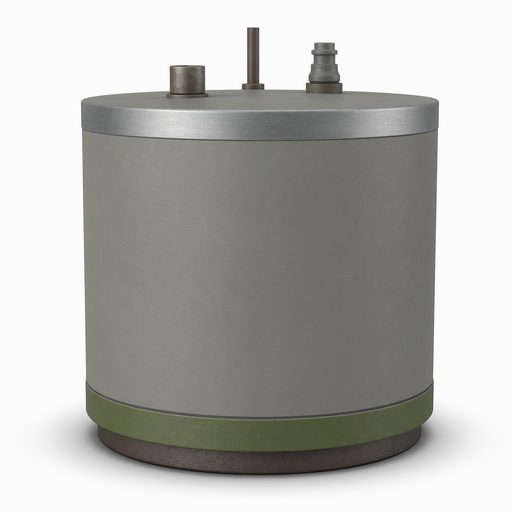
Every tank-style water heater has a sacrificial anode rod — usually magnesium — that corrodes instead of the tank walls. When this rod reacts with sulfate-reducing bacteria naturally present in water, it produces hydrogen sulfide gas. The warm, oxygen-depleted environment inside a water heater is ideal for these bacteria to thrive. This is the most common cause of sulfur-smelling water and affects both city water and well water systems.
If you're on a well system, sulfur bacteria (Desulfovibrio and similar species) can colonize the well itself, the pressure tank, or the distribution piping. These bacteria feed on sulfur compounds naturally present in groundwater and produce hydrogen sulfide as a byproduct. This is extremely common in wells drilled in areas with shale, sandstone, or limestone bedrock, which contain natural sulfur deposits.

High levels of naturally occurring sulfate in groundwater can produce a rotten egg smell, especially when sulfate-reducing bacteria convert it to hydrogen sulfide. The EPA secondary standard for sulfate is 250 mg/L — above this level, water can develop a noticeable taste and odor. This is a regional issue, common in parts of the Midwest, Southwest, and areas with gypsum or shale bedrock.
In older homes, corroded iron or steel pipes can create conditions where sulfur bacteria thrive. Stagnant water in unused sections of plumbing, dead-end pipes, or capped-off connections can also harbor these bacteria. This is less common than water heater issues but worth checking if you've already addressed the heater and well.
How to Fix It
Flush and Treat the Water Heater
$0-15 DIYIf only the hot water smells, start here. This kills existing bacteria and often solves the problem immediately.
- 1Turn the water heater temperature up to 160°F (71°C) and leave it for 8 hours. This kills sulfate-reducing bacteria. Caution: set it back to 120°F after — higher temps increase scalding risk, especially with children in the home.
- 2After 8 hours, connect a garden hose to the drain valve at the bottom of the tank and flush until the water runs clear (usually 5-10 minutes). This removes sediment that bacteria feed on.
- 3Pour 1-2 pints of 3% hydrogen peroxide into the tank through the anode rod opening at the top. This provides an extra kill step. Let it sit for 2 hours, then flush again.
- 4Set the temperature back to 120°F. The smell should be gone. If it returns within a few weeks, the anode rod needs replacing.
Replace the Anode Rod
$20-40 DIY / $150-300 proIf flushing helps but the smell keeps coming back, the magnesium anode rod is feeding the bacteria. Switching to aluminum/zinc stops the reaction permanently.
- 1Turn off the water heater (gas: set to pilot; electric: flip the breaker) and turn off the cold water inlet valve.
- 2Locate the anode rod — it's a hex head fitting on top of the water heater, usually 1-1/16" size. You'll need a socket wrench with a breaker bar, as these are often very tight.
- 3Remove the old anode rod. If it's heavily corroded (rough, pitted, or less than 1/2" thick), it was due for replacement anyway.
- 4Install a new aluminum/zinc combo anode rod ($20-40 at hardware stores or Amazon). These produce far less hydrogen sulfide than magnesium rods while still protecting the tank from corrosion.
- 5If your ceiling is too low for a full-length rod, buy a flexible/segmented anode rod that bends during installation.
Shock Chlorinate a Well
$10-30 DIY / $100-300 proIf you're on well water and both hot and cold water smell, shock chlorination kills sulfur bacteria throughout the entire system.
- 1Calculate your well's water volume. A typical residential well holds 1.5 gallons per foot of standing water per inch of well casing diameter. Your well driller's report (often filed with your county) has these measurements.
- 2Mix household bleach (unscented, 6-8.25% sodium hypochlorite) at a rate of 3 pints per 100 gallons of well water. Pour it directly into the well casing.
- 3Run every faucet in the house until you smell chlorine, then shut them off. This ensures the bleach reaches all piping.
- 4Let the system sit for 12-24 hours with no water use. The chlorine needs contact time to kill bacteria.
- 5Flush the system by running an outdoor hose (away from septic systems and landscaping) until the chlorine smell is gone. Then run each indoor tap for 5 minutes.
- 6Re-test the water after 1-2 weeks. If the smell returns, the bacteria may be in the well bore itself and you may need a professional well rehabilitation.
Install a Whole-House Treatment System
$200-2,000+For persistent sulfur issues that keep coming back after treatment, a permanent filtration system is the long-term solution.
- 1For mild sulfur (under 3 mg/L H₂S): An activated carbon filter ($200-600 installed) absorbs hydrogen sulfide effectively at low concentrations. Replace the carbon media every 2-5 years.
- 2For moderate sulfur (3-10 mg/L): An oxidizing filter using manganese greensand, Birm, or catalytic carbon ($500-1,500) converts hydrogen sulfide to elemental sulfur, which is then filtered out.
- 3For heavy sulfur (over 10 mg/L): A chlorine injection or aeration system ($1,000-2,500) provides the strongest treatment. Chlorine injection adds a small amount of chlorine before a carbon filter that removes both the sulfur and the chlorine.
- 4Get your water tested by a certified lab before buying any system — the H₂S concentration determines which treatment type you need. Many water treatment companies offer free testing, but independent lab results give you unbiased data.
When to Call a Professional
The water has a brownish or yellowish tint along with the smell — this could indicate iron bacteria or elevated iron/manganese levels that need treatment beyond just addressing the sulfur.
You're on a municipal (city) water supply and the smell is sudden — contact your water utility. A sudden sulfur smell in city water can indicate a water main break, treatment plant issue, or cross-connection problem.
Multiple homes in your area report the same smell at the same time — this suggests a source water contamination issue rather than an individual plumbing problem. Report it to your water utility.
The smell is accompanied by gastrointestinal symptoms — while hydrogen sulfide in water at typical residential levels isn't harmful, co-occurring bacteria could be. Get a comprehensive water quality test including coliform bacteria.
You smell sulfur only at one faucet and the water appears cloudy — localized contamination in one section of pipe may need professional assessment, especially in older homes with galvanized steel plumbing.
How to Prevent It
Flush your water heater every 6-12 months — connect a hose to the drain valve and flush until clear. This removes sediment that sulfur bacteria feed on and extends the life of your heater.
Keep the water heater at 120°F minimum — temperatures below 120°F allow bacteria to grow faster. Going higher than 120°F increases energy costs and scalding risk, so 120°F is the sweet spot.
Don't let water sit stagnant — if you're away for more than a week, have someone run the taps for a few minutes. Stagnant water in pipes and the water heater grows bacteria faster.
Test well water annually — a basic water test costs $20-50 and catches sulfur bacteria and other issues before they become severe. Your county health department often offers free or discounted testing.
Replace the anode rod proactively every 3-5 years — don't wait for the smell. A fresh rod protects the tank and reduces the chance of bacterial sulfide production.
Is Sulfur Water Safe to Drink?
At the concentrations typically found in residential water (under 5 mg/L), hydrogen sulfide is not considered a health hazard by the EPA. It's classified under secondary drinking water standards, which deal with aesthetic issues — taste, odor, and appearance — rather than health risks.
That said, very high concentrations (above 250 mg/L, which is extremely rare in residential settings) can cause nausea. More practically, the bigger risk is what hydrogen sulfide does to your plumbing: it corrodes copper, brass, and iron pipes, blackens silverware, and can stain laundry. Addressing the smell also protects your plumbing investment.
The sulfur bacteria themselves (the organisms producing the H₂S) are not pathogenic — they won't make you sick. However, conditions that favor sulfur bacteria can also favor other bacteria, so if your water smells like sulfur, it's worth getting a full water quality test to rule out coliform bacteria as well.
Hot Water Only vs. All Water: Why It Matters
The single most useful diagnostic step is running the hot and cold taps separately. This one test narrows the cause dramatically.
If only the hot water smells, the problem is almost certainly inside your water heater — either the anode rod, sediment buildup, or both. The fix is contained to one appliance. If both hot and cold water smell, the issue is upstream of the water heater — in your well, your municipal supply, or your main water line. This requires a different approach (chlorination, filtration, or contacting your water utility).
There's a third scenario: the smell is only at one specific faucet. This usually means bacteria have colonized a short section of pipe near that fixture, often because it's infrequently used. Running the water for 60 seconds typically clears it, and regular use prevents recurrence.
Frequently Asked Questions
Your water heater's magnesium anode rod is reacting with sulfate-reducing bacteria naturally present in the water. The warm, low-oxygen environment inside the tank is ideal for these bacteria. The fix is to flush the tank and replace the magnesium anode rod with an aluminum/zinc combo rod ($20-40), which produces far less hydrogen sulfide while still protecting the tank from corrosion.
Yes. Water softeners can create conditions that favor sulfur bacteria growth, especially if the resin bed isn't cleaned regularly. The salt brine environment can harbor bacteria that produce hydrogen sulfide. Clean the resin bed with a water softener cleaner (like Res-Up or Iron Out) every 3-6 months, and make sure the softener is regenerating properly on schedule.
It depends on the filter type. Standard carbon filters can remove low levels of hydrogen sulfide (under 1-3 mg/L). For higher concentrations, you need an oxidizing filter (manganese greensand, Birm) or a chlorine injection system followed by carbon filtration. Standard pitcher filters like Brita are not effective for hydrogen sulfide removal.
Costs range from free to $2,500+. Flushing the water heater costs nothing. A new anode rod is $20-40 DIY or $150-300 with a plumber. Shock chlorinating a well is $10-30 in bleach. A whole-house activated carbon filter runs $200-600 installed. An advanced oxidizing or chlorine injection system costs $1,000-2,500. Start with the cheapest options first — most sulfur water issues are solved for under $50.