Most Likely Causes (Ranked)

Natural gas is odorless and colorless by itself, which makes it extremely dangerous. To help people detect leaks, gas utilities add a chemical called mercaptan (tert-butylthiol) that produces that distinct rotten egg smell. Even a small leak will produce a noticeable sulfur odor. Gas leaks most commonly occur at appliance connections — where gas lines attach to your stove, furnace smell, dryer, or water heater — or from corroded gas pipes.
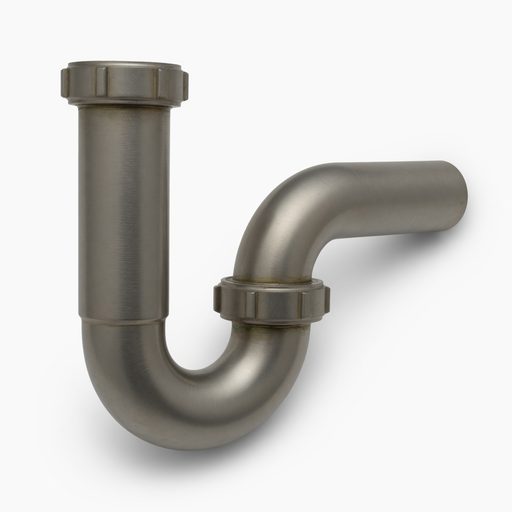
Every drain in your house has a U-shaped pipe underneath called a P-trap that holds a small amount of water. This water acts as a seal to block sewer gases from rising up through the drain into your home. If you have a bathroom, floor drain, or sink that doesn't get used regularly, the water in its P-trap can evaporate — breaking the seal and letting hydrogen sulfide and other sewer gases seep in. Hydrogen sulfide smells exactly like rotten eggs.
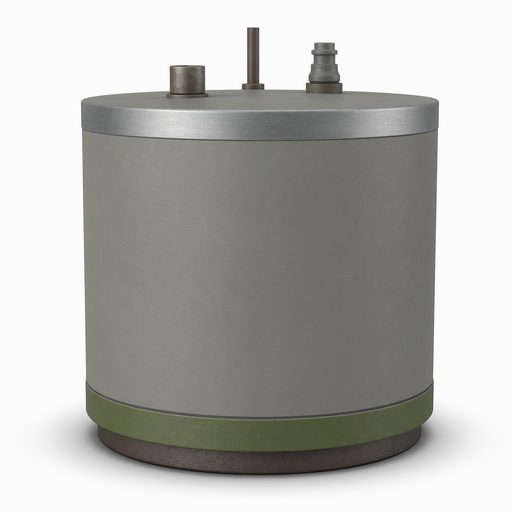
Tank-style water heaters contain a magnesium or aluminum anode rod that prevents the tank from corroding. Over time, this rod reacts with sulfate-reducing bacteria in the water, producing hydrogen sulfide gas — that same rotten egg smell. This is especially common in homes with well water or water that has a high mineral content. The smell is typically only present in hot water.
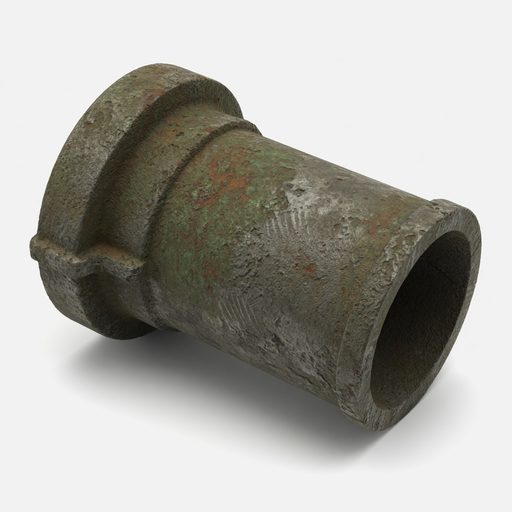
A cracked, clogged, or damaged sewer line can allow sewer gases to back up into your home through drains. This is different from a simple dried P-trap because the underlying issue is with the sewer line itself, not just a lack of water in one trap. Root intrusion, collapsed pipes, and heavy blockages can all cause this. The odor tends to be persistent and may affect multiple rooms.
A dead mouse smell, rat, or squirrel in your walls, attic, or crawlspace produces a sulfuric decomposition odor that many people describe as similar to rotten eggs. The smell intensifies over a period of days, peaks after about a week, and can linger for 2-3 weeks depending on the size of the animal and ambient temperature.
How to Fix It
If You Suspect a Gas Leak
Free (gas company response)If the smell is strong and coming from near gas appliances, treat this as an emergency. Do NOT try to find the leak yourself.
- 1Do not turn on or off any light switches, electrical appliances, or anything that could create a spark.
- 2Do not light matches, lighters, or candles.
- 3Open windows and doors as you exit to ventilate — but don't delay leaving the house.
- 4Leave the house immediately and take all family members and pets with you.
- 5Call your gas company's emergency line from outside the house or from a neighbor's phone. Most gas companies respond within 30-60 minutes and the inspection is free.
- 6Do not re-enter the house until the gas company gives you the all-clear.
Refill a Dried P-Trap
FreeIf the smell is near a drain that hasn't been used in a while, this 30-second fix solves it immediately.
- 1Identify which drain hasn't been used recently — guest bathrooms, basement floor drains, and utility sinks are the most common culprits.
- 2Run water in that drain for 30-60 seconds. This refills the P-trap and restores the water seal.
- 3Pour a tablespoon of mineral oil or cooking oil into the drain. The oil floats on top of the water and slows evaporation, keeping the trap sealed longer.
- 4For drains you rarely use, set a monthly reminder to run water in them for 15 seconds. This prevents the problem from recurring.
Fix a Water Heater Sulfur Smell
$20-40 DIY / $150-300 proIf only your hot water smells like rotten eggs, the anode rod is likely the issue. This is a common fix that most handy homeowners can do themselves.
- 1Turn off the water heater and let it cool for a few hours.
- 2Flush the tank by connecting a garden hose to the drain valve at the bottom and running it until the water is clear — this removes sediment that feeds bacteria.
- 3Replace the magnesium anode rod with an aluminum/zinc combo rod (available at hardware stores for $20-40). You'll need a 1-1/16" socket wrench to remove the old one from the top of the tank.
- 4As a temporary measure, you can also increase the water heater temperature to 160°F for 8 hours to kill sulfur bacteria, then lower it back to 120°F. Caution: higher temperatures increase scalding risk.
- 5If you're on well water, consider adding a whole-house water filter with activated carbon to reduce sulfur compounds.
Address a Sewer Line Issue
$100-500+ (professional)If the smell persists after checking gas lines and refilling P-traps, you likely have a sewer line problem that needs professional attention.
- 1Run water in every drain in the house for 30 seconds to ensure all P-traps are full. If the smell persists after this, the issue is likely deeper.
- 2Check your sewer cleanout (a capped pipe, usually 4" diameter, in your yard or basement) for signs of backup or overflow.
- 3Call a licensed plumber for a sewer camera inspection. This typically costs $100-300 and will identify the exact location and nature of the problem.
- 4Based on the camera results, the plumber will recommend either a drain cleaning ($150-300), a spot repair ($1,000-4,000), or in worst cases, a full sewer line replacement ($3,000-25,000+).
When to Call a Professional
The smell is sudden, strong, and you use natural gas — this could be a gas leak. Leave immediately and call your gas company from outside.
You feel dizzy, nauseous, or have a headache — these are symptoms of gas exposure or hydrogen sulfide inhalation. Get fresh air immediately.
You hear a hissing sound near a gas line or appliance — this strongly suggests a gas leak.
Multiple drains smell and you see sewage backup — this indicates a serious sewer line problem that needs professional attention.
The smell only appears when the furnace smell or heater runs — this could indicate a cracked heat exchanger, which can leak carbon monoxide. Call an HVAC technician.
How to Prevent It
Run water in every drain monthly — including guest bathrooms, basement floor drains, and laundry sinks. This keeps P-traps full and sewer gas out.
Flush your water heater annually — this removes sediment buildup that feeds sulfur bacteria. Attach a garden hose to the drain valve and flush until the water runs clear.
Schedule a gas appliance inspection yearly — a licensed technician can check all connections, gas lines, and appliances for leaks. Many gas companies offer this service for free.
Install a natural gas detector — these wall-mounted units cost $30-50 and will alarm if gas levels become dangerous. Place them near the floor (natural gas rises, but initially pools low at leak points).
Keep sewer vents clear — the vent pipes on your roof can get clogged by leaves, bird nests, or ice. A blocked vent prevents proper drainage and can push sewer gases back into the house.
Why Does Natural Gas Smell Like Rotten Eggs?
Natural gas in its pure form — mostly methane — is completely odorless and colorless. This is what makes it so dangerous: without any detectable sign, a leak could go unnoticed until it reaches explosive concentrations or displaces enough oxygen to cause suffocation.
To address this, gas utilities add a chemical odorant called mercaptan (specifically tert-butylthiol) to the gas supply before it reaches your home. Mercaptan contains sulfur, which is why it produces that unmistakable rotten egg smell. The concentration is calibrated so that most people can detect it at gas levels as low as 1% — well below the 5% concentration required for natural gas to ignite.
This is important context because it means a rotten egg smell in a home with gas appliances should always be taken seriously as a possible leak until proven otherwise.
How to Tell the Difference Between Gas and Sewer Smells
Both natural gas (with mercaptan) and sewer gas (hydrogen sulfide) smell like rotten eggs, which is why this particular smell causes so much confusion. However, there are ways to narrow it down.
Gas leaks produce a consistent smell that doesn't change when you run water or flush toilets. The odor tends to be strongest near gas appliances and gas lines, and you may notice a hissing sound at the leak point. Sewer gas, on the other hand, is typically strongest near drains and toilets, tends to be more intermittent, and often improves when you run water (which refills P-traps).
The quickest test: run every faucet in the house for 30 seconds. If the smell goes away within an hour, it was probably a P-trap issue. If it doesn't change, and you have gas appliances, call your gas company as a precaution. They'll send someone out to check for free — there's no reason not to call.
Hydrogen Sulfide: The Other Rotten Egg Chemical
Hydrogen sulfide (H₂S) is the chemical most commonly associated with the natural rotten egg smell. It's produced by bacteria breaking down organic matter in the absence of oxygen — which is exactly what happens inside sewer lines, water heater tanks, and stagnant drains.
At the low concentrations you'd typically encounter in a home (under 10 parts per million), hydrogen sulfide is not considered a health hazard — though it is extremely unpleasant. At higher concentrations, it can cause eye irritation, headaches, and nausea. Concentrations above 100 ppm can be dangerous, and above 500 ppm can be life-threatening, but these levels are essentially impossible in a residential setting from a plumbing issue alone.
The one exception is a confined space like a sealed basement or crawlspace with a significant sewer gas leak. If you can smell rotten eggs in a basement with poor ventilation, open windows and ventilate the area before spending extended time there.
Frequently Asked Questions
It can be. If you have natural gas service (gas stove, furnace, or water heater), a rotten egg smell could indicate a gas leak, which is a serious safety hazard. Natural gas is explosive at concentrations between 5-15% in air. If the smell is strong, leave your house immediately and call your gas company from outside. If the smell is faint and localized near a drain, it's more likely a dried P-trap — which is harmless and easily fixed by running water for 30 seconds.
Intermittent rotten egg smells are almost always caused by sewer gas entering through a P-trap that periodically dries out. This commonly happens with guest bathroom drains, basement floor drains, or any fixture that goes weeks without use. Wind conditions can also push sewer gases up through vent stacks. Running water in all your drains for 30 seconds on a monthly basis prevents this completely.
If your home is all-electric (no natural gas), the rotten egg smell is coming from sewer gas or your water heater. First, check if the smell is near any drains — run water in all of them for 30 seconds. If the smell is only in the hot water, your water heater's anode rod is likely reacting with sulfur bacteria. If the smell persists after running all drains, call a plumber to inspect your sewer lines.
The cost ranges from free to several thousand dollars depending on the cause. Refilling a dried P-trap costs nothing — just run the tap. Replacing a water heater anode rod is $20-40 for the part if you do it yourself, or $150-300 with a plumber. A gas company inspection for leaks is typically free. Sewer line repairs can range from $150 for a simple drain cleaning to $3,000-25,000+ for a full sewer line replacement, though most issues fall on the lower end.