Most Likely Causes (Ranked)
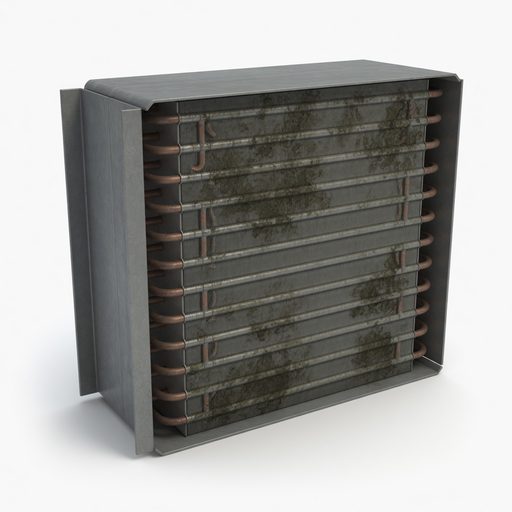
The evaporator coil cools air by removing heat and moisture — this condensation makes the coil perpetually wet during cooling. Dust, pollen, and organic particles from indoor air stick to the wet coil and become food for mold and bacteria. As these microorganisms grow, they produce organic acids (acetic acid and others) that smell like vinegar. This is the most common cause of sour AC smells.
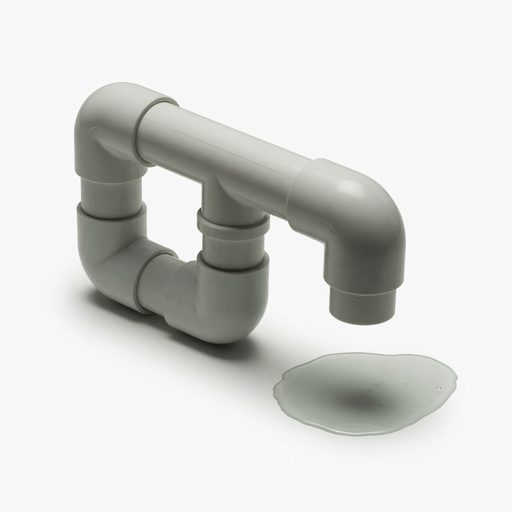
The condensate drain removes water that collects on the evaporator coil. When algae, mold, or debris clogs this line, water backs up into the drain pan and stagnates. Stagnant water develops bacterial colonies that produce acetic acid and other sour-smelling compounds. In severe cases, the backed-up water can overflow and cause water damage.
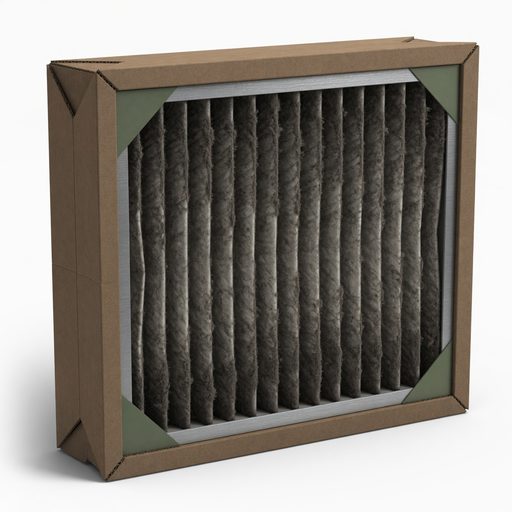
A clogged filter restricts airflow across the evaporator coil. Less airflow means the coil stays wetter longer after each cooling cycle, and trapped moisture breeds bacteria and mold. The filter itself, when dirty and damp, can also harbor odor-causing organisms. This is usually a contributing factor rather than the sole cause.
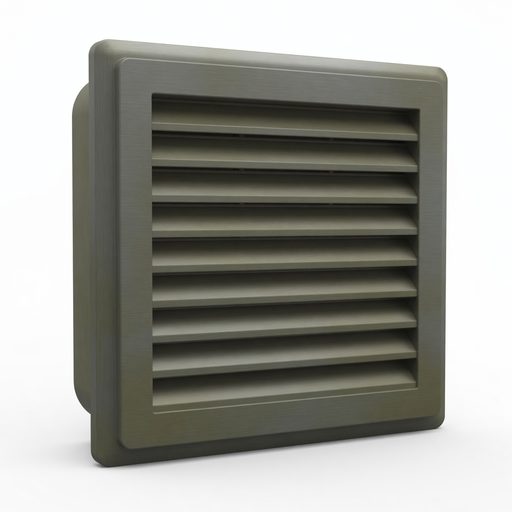
Dust, pet dander, and other organic material that accumulates in ductwork over years can develop microbial growth, especially in humid climates or if condensation forms inside the ducts. This is more common in ductwork that runs through unconditioned spaces like attics or crawlspaces, where temperature differentials cause condensation.
How to Fix It
Change the Air Filter Immediately
$10-25The easiest and cheapest first step. Takes 2 minutes.
- 1Replace the filter with a MERV 11-13 rated pleated filter. These catch mold spores and bacteria effectively.
- 2Check the filter size (printed on the old filter's frame) and buy the correct size.
- 3Set a recurring reminder to change the filter every 1-3 months. During peak AC season, monthly is best.
- 4Avoid MERV 16+ (HEPA-level) filters in standard residential systems — they restrict airflow too much and can freeze the evaporator coil.
Clear the Condensate Drain Line
$0-10A clogged drain line is a common cause and easy DIY fix.
- 1Locate the condensate drain line — it's a PVC pipe that exits the indoor unit and usually drains to the outside of the house or to a floor drain.
- 2Pour 1 cup of white vinegar into the drain line at the access point near the indoor unit. Let it sit for 30 minutes.
- 3Flush with warm water. You should see water flowing freely from the outside drain end.
- 4If the line is completely clogged, use a wet/dry vacuum on the outside end to suction out the blockage. Alternatively, a drain line cleaning kit ($10) includes a flexible brush.
- 5Pour vinegar down the drain line monthly during AC season to prevent recurrence.
Have the Evaporator Coil Professionally Cleaned
$150-300If the filter change and drain clearing don't resolve the smell, the coil itself needs cleaning.
- 1Call a licensed HVAC technician for an evaporator coil cleaning. This involves accessing the coil inside the air handler, applying a specialized coil cleaner, and rinsing.
- 2The coil cleaner dissolves biofilm (the slimy layer where bacteria and mold live) that household cleaners can't address.
- 3Ask the technician to also clean the drain pan and check the drain line while they're in there.
- 4A UV-C light ($150-250 installed) can be added inside the air handler above the coil. These emit ultraviolet light that continuously kills mold and bacteria on the coil surface, preventing the smell from recurring.
- 5Total cost for cleaning + UV light installation is typically $300-500 and provides a long-term solution.
When to Call a Professional
Water is leaking from the AC unit or dripping through the ceiling — a severely clogged condensate drain can cause water damage. Turn off the AC and call for service.
The smell is accompanied by respiratory symptoms — coughing, sneezing, or worsening allergies when the AC runs suggest mold spores are being distributed through the house.
The evaporator coil is visibly coated with mold — if accessible, look at the coil. Heavy mold coverage reduces efficiency significantly and needs professional cleaning.
Your energy bills have increased noticeably — a dirty coil and clogged filter make the system work harder, increasing costs 5-25%. Professional maintenance pays for itself in efficiency gains.
The vinegar smell persists after filter change and drain clearing — the coil itself needs professional attention. Don't keep running a system that's distributing mold spores.
How to Prevent It
Change the filter every 1-3 months — this is the single most important AC maintenance task.
Pour vinegar down the drain line monthly during summer — prevents algae and mold from clogging the line.
Schedule annual professional maintenance — a spring tune-up ($100-200) includes coil inspection and cleaning, drain clearing, and refrigerant check.
Consider a UV-C light — $150-250 installed inside the air handler, continuously kills mold and bacteria on the coil.
Keep vents open and unblocked — closed or blocked vents restrict airflow, keeping the coil wetter and encouraging microbial growth.
Why the Evaporator Coil Is a Mold Magnet
The evaporator coil is essentially a perpetual mold incubator: it's dark, wet, and receives a constant supply of organic material (dust, pollen, pet dander) from indoor air. When the AC runs, the coil drops below the dew point, causing water from the air to condense on its surface. This moisture, combined with the organic material trapped in the coil fins, provides everything mold and bacteria need to thrive.
The organisms growing on the coil produce a biofilm — a slimy, self-protecting layer that resists simple cleaning. This biofilm is what produces the sour, vinegar-like organic acids you smell. It also reduces the coil's heat transfer efficiency, making your AC work harder and use more energy.
Regular filter changes reduce the organic material reaching the coil, and UV-C lights kill organisms on contact. Together, these two measures prevent the vast majority of coil-related odor issues.
Frequently Asked Questions
The smell itself isn't toxic, but it indicates mold and bacteria in your HVAC system that are being distributed throughout your home. This can aggravate allergies, asthma, and other respiratory conditions. While not an emergency, it should be addressed within a few weeks to maintain healthy indoor air quality.
On some systems, yes — if the coil is easily accessible. Spray the coil with a no-rinse evaporator coil cleaner ($10-15 from hardware stores), which foams and drips into the drain pan. However, if access requires removing panels or components, it's better left to a professional to avoid damaging the coil fins or refrigerant lines.
Air filter: $10-25. Drain line clearing: $0-10 DIY. Professional coil cleaning: $150-300. UV-C light installation: $150-250. Full professional maintenance: $100-200. Most vinegar AC smells are resolved for under $300 total.
When the AC cycles off, moisture remains on the coil and in the drain pan. Bacteria and mold continue growing during the off cycle. When the system kicks back on, the initial rush of air over these colonies dislodges spores and volatile compounds, producing a burst of odor that may fade as airflow stabilizes.