Common Causes (Ranked by Likelihood)
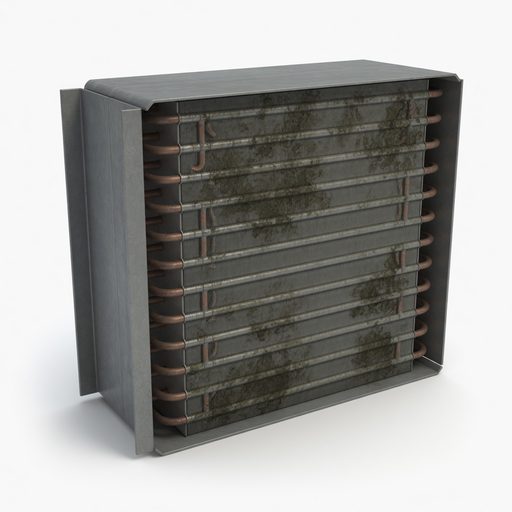
The AC evaporator sits inside your dashboard and gets cold (near freezing) when the AC runs. Warm, humid cabin air passes over it, causing water to condense on its surface — just like a cold glass on a humid day. This constant moisture creates an ideal breeding ground for bacteria (Methylobacterium, Pseudomonas) and mold (Cladosporium, Aspergillus) that produce acetic acid and other sour-smelling compounds.
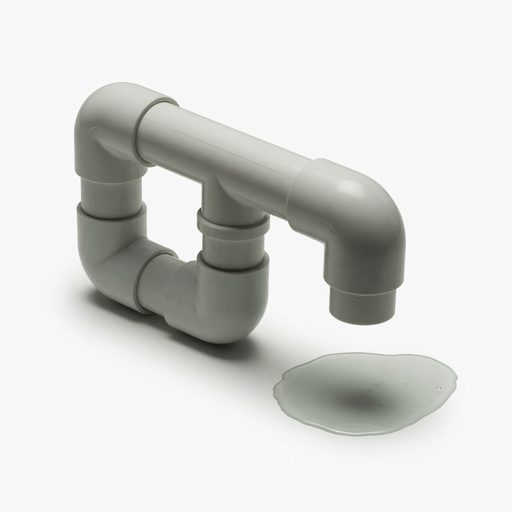
The condensation from the evaporator drains through a small tube that exits under the car. If this drain gets clogged with debris, leaves, or mold, water pools in the evaporator housing instead of draining. This standing water becomes a swamp for bacteria, dramatically increasing vinegar and musty odors. You'd normally see water dripping under the car when AC runs — if you don't, the drain is likely clogged.
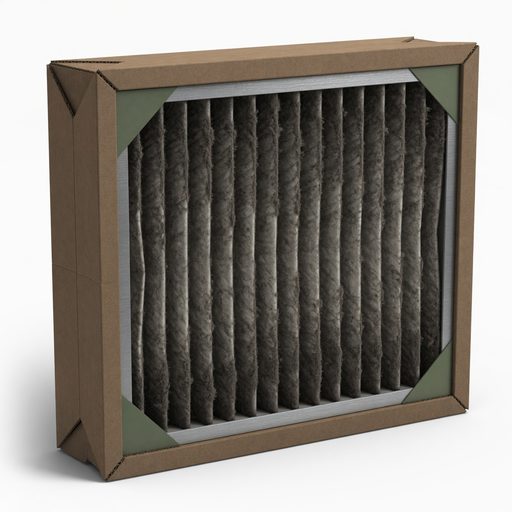
The cabin air filter catches pollen, dust, and debris before air reaches the evaporator. A dirty, clogged filter traps moisture and organic material that mold and bacteria colonize. The filter itself becomes an odor source, and reduced airflow through a clogged filter means the evaporator stays wet longer, worsening bacterial growth there too.
Leaves, seeds, and other organic debris can enter the HVAC system through the cowl (the area at the base of the windshield). This material settles on the evaporator or in the blower housing, decomposes, and produces sour, vinegar-like odors. Rodents occasionally build nests in car HVAC systems, adding urine and nesting material to the problem.
In rare cases, a refrigerant leak from a corroded evaporator can produce a chemical smell some describe as vinegar-like. R-134a refrigerant has a slight sweet/chemical odor, and when mixed with compressor oil and moisture, the breakdown products can have a sour quality. This is uncommon and would typically be accompanied by reduced AC cooling performance.
How to Fix It
Clean the Evaporator with Antimicrobial Spray
$10-15Fixes the most common cause — DIY in 10 minutes.
- 1Buy an AC evaporator cleaner spray (Kool-It, Klima-Cleaner, or Lysol disinfectant spray work).
- 2Turn off AC, set fan to max, set to fresh air (not recirculate), and open all windows.
- 3Spray the cleaner into the air intake at the base of the windshield (cowl area) while the fan is running — this carries it through the evaporator.
- 4Let the fan run for 10-15 minutes to circulate and dry. Alternatively, some products spray directly into the evaporator via the condensate drain or recirculate vent.
Replace the Cabin Air Filter
$12-25Takes 5-10 minutes on most cars.
- 1Check your owner's manual for cabin filter location — usually behind the glove box or under the hood near the windshield.
- 2Remove the old filter (note the airflow direction arrow).
- 3Install a new filter — consider an activated carbon filter ($15-25) which absorbs odors better than standard filters.
- 4Replace every 12,000-15,000 miles or annually.
Clear the Condensate Drain
$0-10If water isn't dripping under the car when AC runs.
- 1Find the condensate drain tube under the car (passenger side, look for a small rubber or plastic tube).
- 2Gently push a thin wire or pipe cleaner up into the tube to dislodge the clog.
- 3Compressed air can also blow out the blockage — short bursts only.
- 4Water should flow freely once cleared. Run the AC and verify water drips from the drain.
When to Call a Professional
Water pooling on the passenger floor — clogged condensate drain overflowing. Clear the drain to prevent carpet mold.
Mold visible on the cabin filter or vents — consider professional HVAC cleaning if it's extensive.
AC not cooling properly plus chemical smell — possible refrigerant leak. Have the system pressure-tested.
Persistent smell after cleaning — may need professional evaporator cleaning ($100-200) with foam treatment.
How to Prevent It
Run the fan on high without AC for 5 minutes before shutting off the car — dries the evaporator and prevents bacterial growth.
Change the cabin air filter annually or every 12,000-15,000 miles.
Use AC regularly — even in winter, run it for 10 minutes weekly to keep the system from stagnating.
Keep the cowl area clean — remove leaves and debris from the base of the windshield.
Use an antimicrobial evaporator spray every 6 months as preventive maintenance.
What's Actually Growing on Your Evaporator
The automotive AC evaporator is a remarkably good microbial incubator. It maintains temperatures between 32-40°F (0-4°C) during operation, creating a surface that continuously condenses moisture from humid cabin air. This condensation — essentially distilled water mixed with whatever particles the cabin filter doesn't catch — provides the moisture that bacteria and mold need.
Studies of car AC systems have identified Methylobacterium, Pseudomonas, Bacillus, and various mold species (Cladosporium, Aspergillus, Penicillium) as the most common colonizers. These organisms produce acetic acid (vinegar), butyric acid (vomit/rancid butter), and various musty-smelling volatile organic compounds as metabolic byproducts.
The key to prevention is moisture management. When you turn off the AC but leave the fan running for the last 5 minutes of your drive, the warm air passing over the evaporator evaporates the condensation, leaving the surface dry. Bacteria and mold can't grow on a dry surface. This single habit — which costs nothing — prevents the vinegar smell from developing in the first place.
Frequently Asked Questions
The mold and bacteria causing the smell can trigger allergies and respiratory irritation in sensitive individuals, but it's not acutely dangerous. However, a clogged condensate drain can cause water damage to your car's interior, which is worth addressing promptly.
DIY evaporator spray: $10-15. New cabin air filter: $12-25. Total DIY fix: under $40. Professional evaporator cleaning: $100-200. Most cases are fully resolved with the DIY approach.
When the AC is off, bacteria on the evaporator are active in the warm, moist environment, producing odor compounds. When you first turn the AC on, the fan blasts this concentrated air into the cabin. After a few minutes, the cold air inhibits bacterial activity and airflow dries the surface, reducing the smell.
Usually not — the bacteria colony is self-sustaining in the moist evaporator environment. It may decrease in dry weather but will return in humidity. Treatment with an antimicrobial spray or professional cleaning is needed to actually eliminate it.